
Last updated November 22, 2026
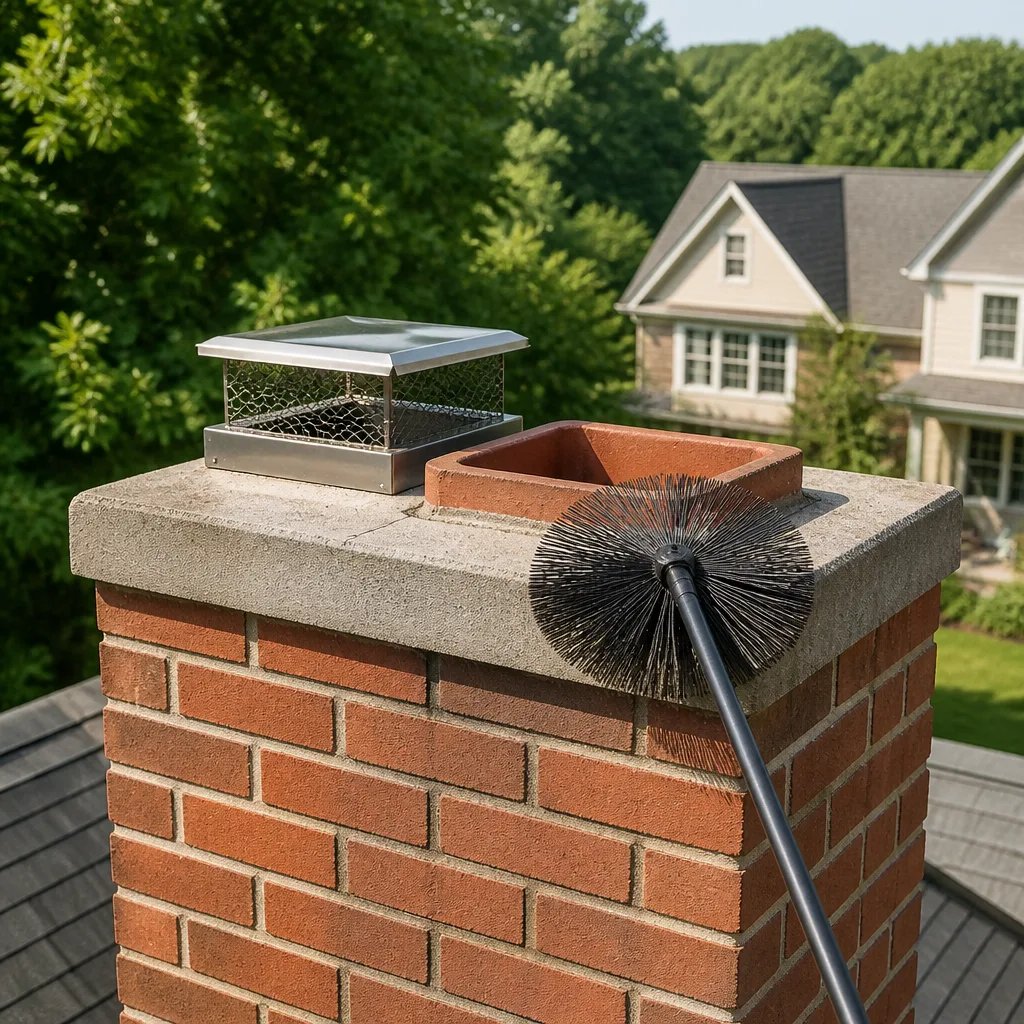 Sweep & inspection
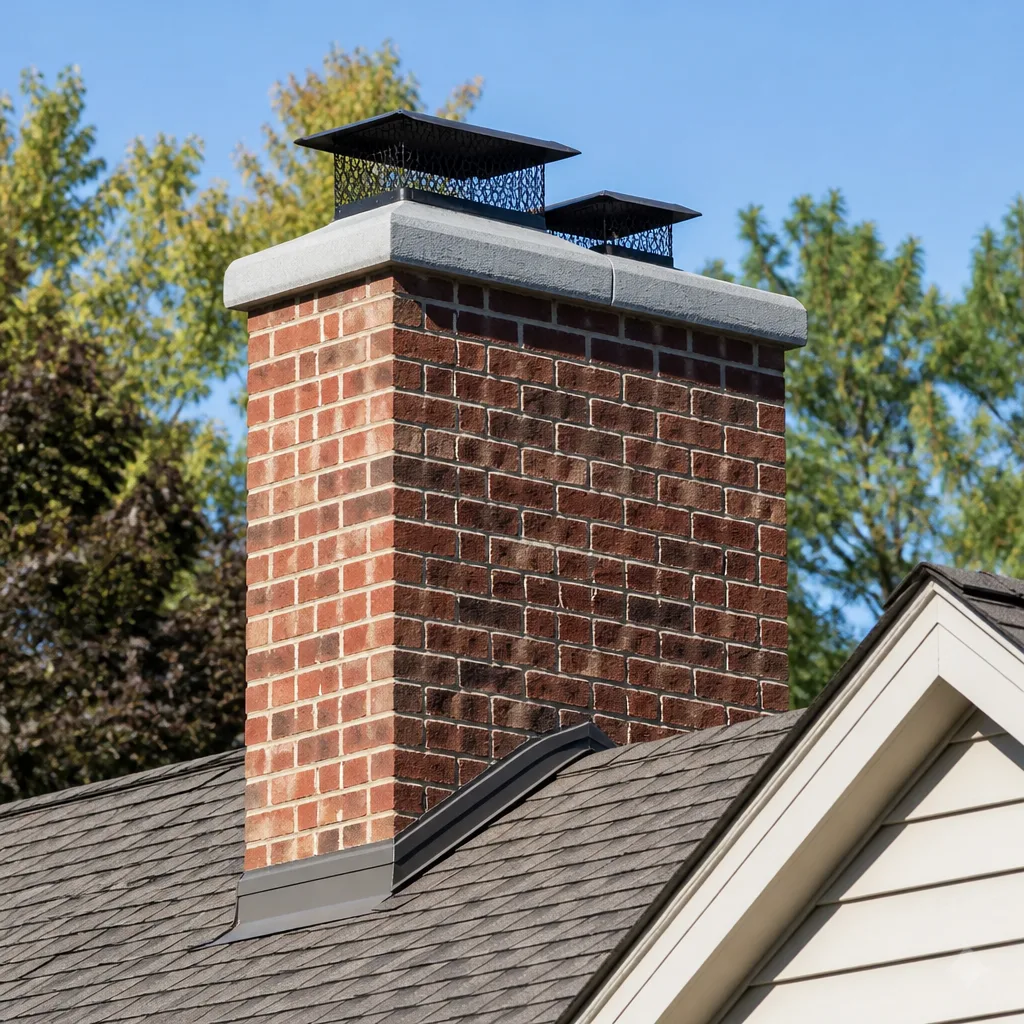 Caps & crowns
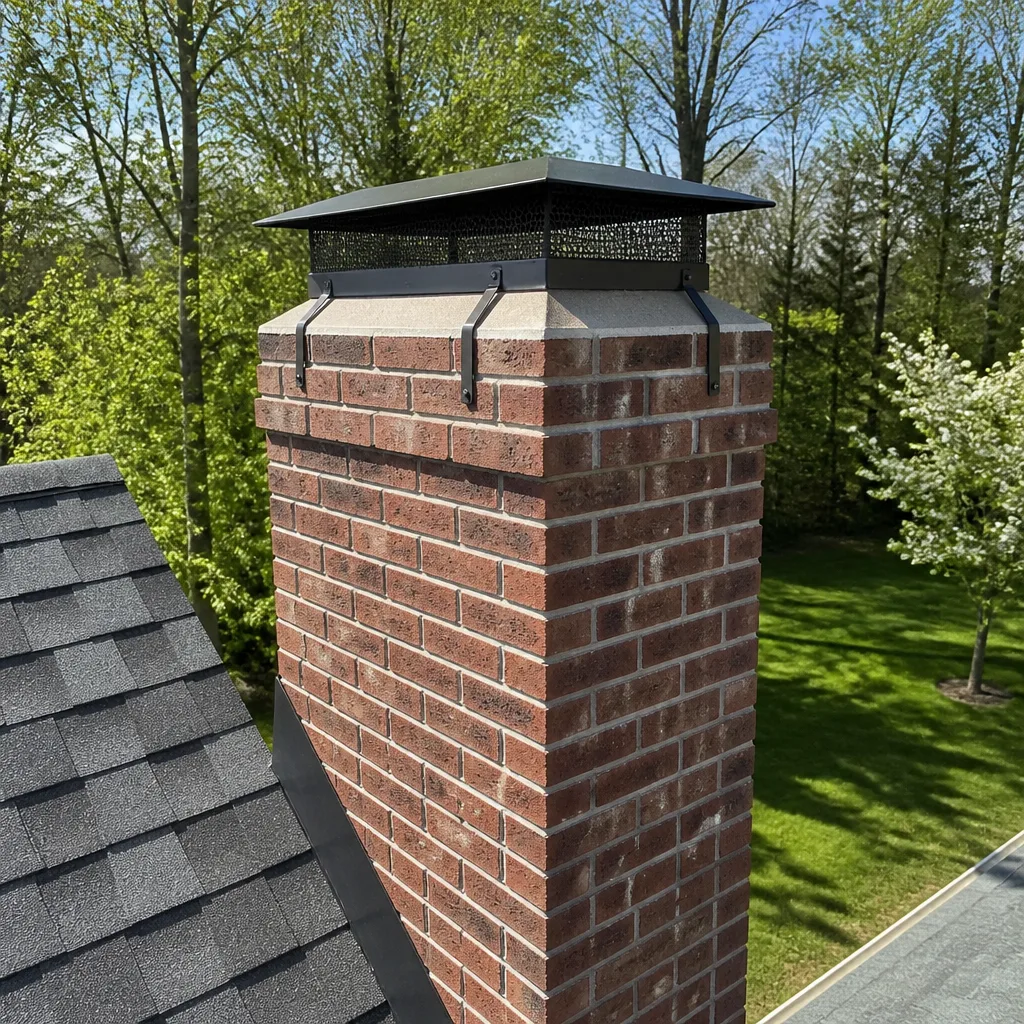 Flue relining
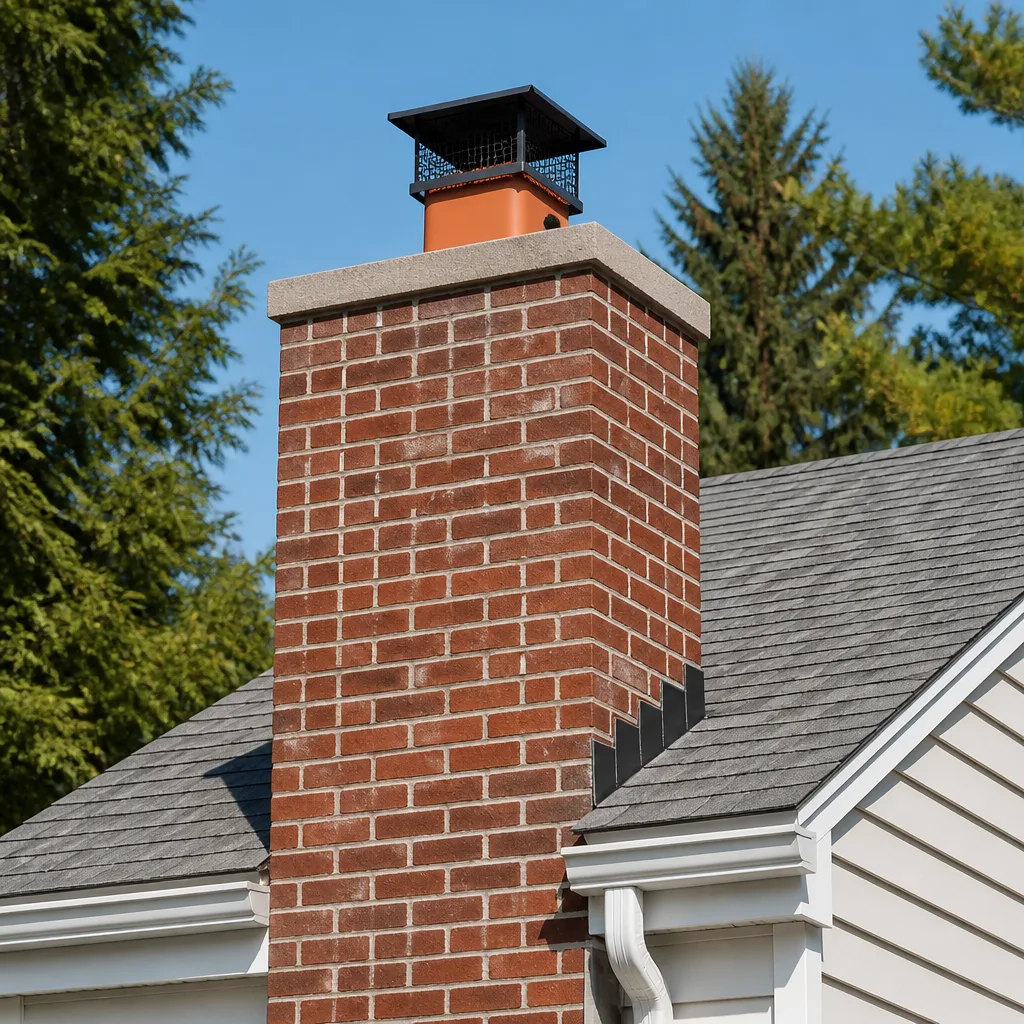 Masonry repair
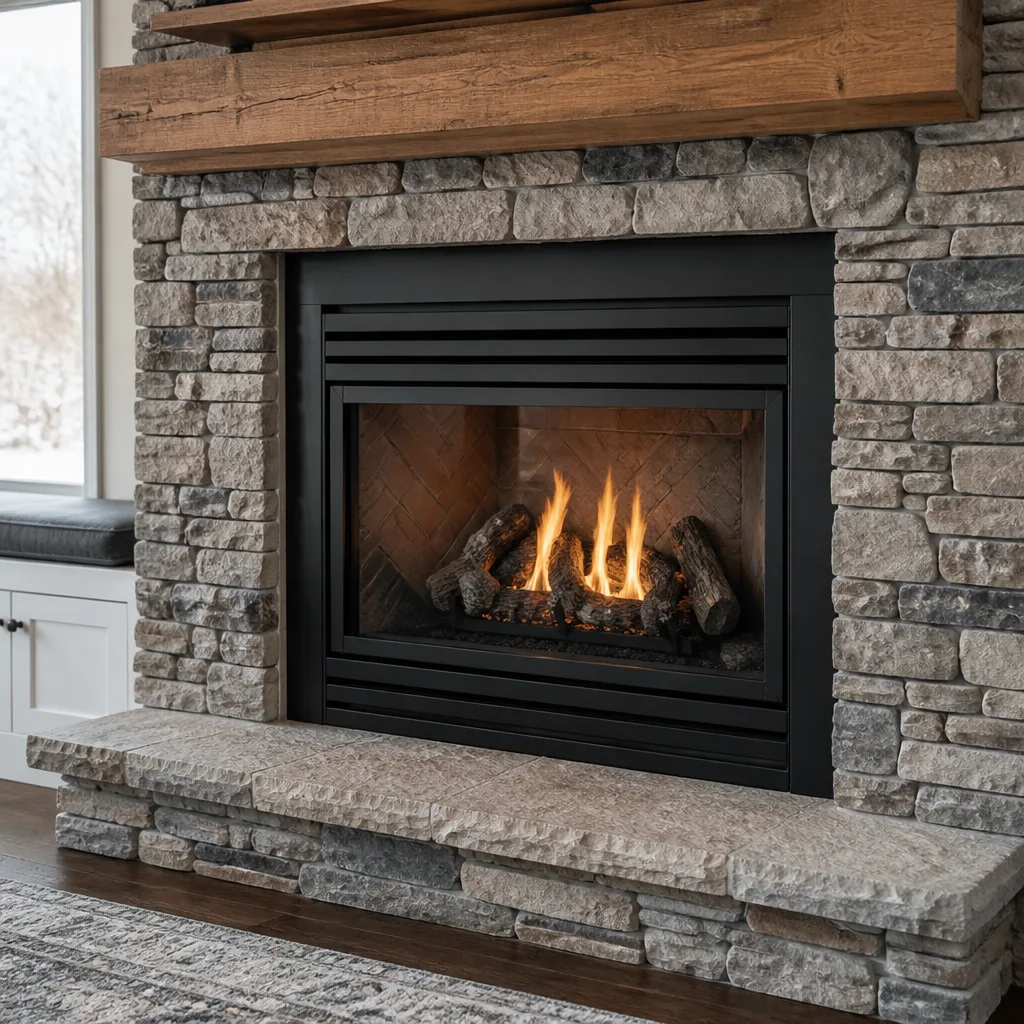 Gas fireplace service
Level 1 sweep and inspection to the NFPA 211 annual standard - flue, crown, cap, and flashing checked and photographed
Chimney sweep logs do not sweep chimneys. They loosen some creosote - which then falls where a brush and vacuum still have to collect it.
Chimney Cleaning Warning Signs: A Granada Hills Homeowner’s Reference Guide
That campfire smell drifting into your living room on a windy evening isn’t always a chimney fire. In plenty of older Granada Hills homes it’s a damper that no longer seals, pulling the scent of last winter’s creosote back down the flue when the pressure outside shifts. The difference matters, because one of those situations means “call someone this week” and the other means “call someone before you burn again.” This guide is built to help you tell them apart. You’ll learn what each warning sign actually looks like, what it smells like, and whether it belongs in the act-now pile, the monitor pile, or the mention-it-at-your-next-cleaning pile.
Quick Answer
The most reliable chimney cleaning warning signs are a strong creosote or soot smell in the house, dark staining at the firebox, rust on the damper, white chalky residue on the brickwork, and any visible crack or crumble in the crown or cap. In Granada Hills, add two local checks: hairline cracks in older masonry that open up after ground movement, and mortar joints that look bleached or powdery from repeated heat. Anything on the act-now list below deserves a professional look before your next fire.
Styles & brands we work with
- Sweep & inspection
- Caps & crowns
- Flue relining
- Masonry repair
- Gas fireplace service
Table of Contents
- What the Smell Is Telling You: Creosote, Backdraft, or Animals
- Firebox-Level Signs You Can Check Yourself
- Crown and Cap Deterioration at Ground Level
- Warning Signs Specific to Granada Hills Homes
- The Act-Now, Monitor, and Mention-It Triage System
- How Creosote Stages Change the Urgency
- Common Mistakes to Avoid
- When to Call a Professional
What the Smell Is Telling You: Creosote, Backdraft, or Animals
Your nose is the cheapest diagnostic tool you own, and it’s more precise than most homeowners realize. A fireplace that’s working correctly should smell like almost nothing when it’s cold, maybe a faint wood note after a fire. When something is off, the scent usually points to one of three causes, and each has its own signature.
Creosote has a sharp, tarry, almost diesel-like edge to it. Fresh creosote smells like strong woodsmoke that won’t clear; older, glazed creosote smells acrid and slightly chemical. If the smell is strongest on warm days when you haven’t burned anything, that’s telling: the flue is loading up with deposits and the house is drawing that odor back down. Smoke backdraft smells different. It’s the smell of an active fire being pushed the wrong way, and it usually comes with a visible haze, a downdraft you can feel at the hearth, or soot smudges forming above the opening.
Animal intrusion is the easiest to misread. Birds, squirrels, and the occasional raccoon leave nesting material, droppings, and a musty, ammonia-tinged odor that gets worse in warm weather. You may also hear scratching or flapping, especially near the damper. A missing or damaged cap is the usual doorway for this in Granada Hills, where mature trees and open lots sit close to a lot of rooflines.
A quick way to sort what you’re smelling:
- Tarry or diesel smell, worst when cold: creosote buildup. Schedule a chimney sweep before your next fire.
- Active smoke smell with haze or soot smudges: backdraft or a blocked flue. Stop burning and get it inspected.
- Musty, ammonia, or droppings smell with scratching sounds: animal intrusion. Needs removal and a cap repair.
- Faint smoke smell only during Santa Ana wind events: often pressure-driven and worth mentioning at your next cleaning, not an emergency on its own.
If you can’t place the smell, don’t guess. A standalone inspection exists exactly for this, and it doesn’t commit you to any cleaning package.
Firebox-Level Signs You Can Check Yourself
You don’t need a ladder or a tool bag to spot most of what matters at the firebox. A flashlight and five minutes will tell you whether the chimney needs attention. Get down at hearth level, look up into the throat of the flue, and check the surfaces around the opening. Here’s what to look for and what each thing means.
- Efflorescence. That white, chalky bloom on the brick or mortar isn’t mold and it isn’t salt from the air. It’s mineral salts drawn out of the masonry by moisture moving through it. Efflorescence at the firebox or on the chimney breast usually points to water getting in from above, often through a failing crown or an uncapped flue.
- Spalling. When brick faces flake, peel, or pop off in thin shards, the brick is saturated and failing. Spalling is a step past efflorescence; the masonry is actively breaking down, and it will keep doing so until the water source is fixed.
- A rusted damper plate. Rust on the damper, the damper frame, or the metal lintel is one of the clearest signs of chronic moisture. It’s also the likely cause of that campfire smell on windy days, because a damper that no longer seats lets flue odor back into the room.
- Crumbling mortar joints. Run your eye along the joints inside the firebox. Soft, sandy, receding mortar means the joints have lost their binder and the firebox is due for repointing.
- Soot streaks or ghosting above the opening. Dark trails curling up the face of the fireplace mean smoke is spilling out during burns rather than going up the flue.
- Cracked firebox panels or a cracked rear wall. A crack wider than a hairline in the firebox brick or panel is a stop-burning sign until it’s assessed.
In our experience, the firebox tells you what the exterior crown can’t: whether moisture and heat have already started working on the inside. When we find one of these signs, we look at the whole system rather than just the soot. That’s what we mean by inspecting before we recommend. If the firebox itself needs work, fireplace repair is the natural next step.
Crown and Cap Deterioration at Ground Level
You can assess a surprising amount of the chimney’s health from your yard, driveway, or the sidewalk across the street. The crown is the concrete slab capping the top of the chimney; the cap is the metal or mesh cover over the flue opening. Together they’re the first line of defense against water, and water is the cause of most chimney damage we see.
From the ground, look for these exterior warning signs:
- Visible cracks in the crown. Any crack you can see from 20 feet away is wider than it looks. Cracks let rain into the masonry, and once water is in, spalling and interior damage follow.
- A crown that’s pulling away from the flue. Look for a gap or a dark shadow line between the crown and the flue tile. That’s a water channel.
- Missing, bent, or rusted caps. A damaged cap lets in rain and animals; a missing cap is an open invitation for both. A proper cap also stops birds from nesting in the flue, which is one of the more common reasons for a sudden draft problem.
- Rust streaks down the exterior. Vertical rust trails usually mean water is running down from a failing cap or flashing.
- Spalling brick faces on the upper chimney. The top courses take the most weather and the most heat. If they look crumbly from the ground, they warrant a closer look.
- White staining or dark water stains on the upper stack. Either one means water is spending time inside the masonry.
A dedicated chimney cap & crown service addresses the root cause, not the symptom. Caps and crowns are preventive work, and getting them right means the chimney stops taking on water and everything below it lasts longer. We work with professional-grade components like Gelco and Famco caps and crowns so the fix is built to last, not patched to pass.
Warning Signs Specific to Granada Hills Homes
Granada Hills sits in the San Fernando Valley, and the local conditions put a particular twist on chimney wear. The climate is hot and dry for a long stretch of the year, so the masonry expands, contracts, and dries out repeatedly; winters are mild, which means the chimney doesn’t get a cold-season reset. Add ground movement from the region’s seismic activity, and the chimney gets a workout that most maintenance lists don’t account for.
What to look for specifically in Granada Hills:
- Earthquake micro-crack patterns in older masonry. These aren’t clean vertical cracks. They’re stair-step diagonal cracks that run along the mortar joints in a zig-zag, often in the upper stack. Any chimney that has been through a noticeable local earthquake is worth an inspection even if it looks fine from below, because the crack pattern doesn’t always show at ground level.
- Heat-bleached mortar joints. In a dry climate, mortar takes heat from the fire and sun together. Joints that have gone pale, powdery, or sandy-white have lost their binder and are no longer doing their job. You’ll often see this on the firebox side first, then on the upper stack.
- Sun-baked crown cracking. Long, hot summers are hard on concrete. Crowns in Granada Hills can develop surface cracking even on young chimneys, so a crown check belongs in your annual routine.
- Dust and debris from dry-season winds. The dry inland air carries dust and debris that find their way into open flues. A decorative cap collects most of it, but a damaged or missing one leaves the flue exposed.
- Animal intrusion driven by nearby open space. The hills and mature trees around many Granada Hills properties mean birds and small mammals look for sheltered spots, and an uncapped chimney is an excellent one.
This is why a local technician matters. Someone working in Granada Hills regularly knows what earthquake movement looks like on a masonry stack and knows which exterior cracks are cosmetic and which ones call for a closer look. If you’re buying or selling a home here, a chimney inspection is a smart standalone step regardless of the chimney’s visible condition.
The Act-Now, Monitor, and Mention-It Triage System
Not every warning sign requires a call today, and treating them all as emergencies is exactly how homeowners end up feeling pressured into work they don’t need. We sort warning signs into three buckets. When you find a sign, find it on this list and take the matching action.
Act now. Stop burning and call a professional:
- Any crack wider than a hairline in the firebox, flue tile, or rear wall.
- Active smoke smell with visible haze or soot streaking above the firebox opening during a burn.
- Rust on the damper, damper frame, or lintel combined with fallen debris or moisture in the firebox.
- Animal droppings or nesting material visible in the firebox or flue.
- Any chimney sign of a previous creosote fire (puffy, honeycombed, or cracked creosote in the flue, visible on camera).
Monitor. Make a note and check again in a few weeks:
- A faint creosote smell that shows up only on warm days or during windy weather.
- Chalky efflorescence with no visible water staining and no spalling.
- A damper that binds or sticks but still seats and seals.
- Light surface cracking on the crown with no gap at the flue tile.
Mention it at your next cleaning:
- Loose or dusty soot in the firebox at the start of the season.
- A slightly slow draft in the first minutes of a fire.
- Surface dust or a small amount of debris in the firebox after a wind event.
- Sandy mortar inside the firebox that still holds its shape.
The point of the buckets is to help you make a good decision in the moment. If you’re unsure which bucket a sign belongs in, the safest move is to get it looked at, and an inspection with camera evidence you can see yourself is how the bucket gets settled. Call (855) 774-3956 for an exact estimate. Estimates are free.
How Creosote Stages Change the Urgency
The signs above tell you about structure and moisture. Creosote tells you about fire risk, and it escalates in stages. Those stages are the reason chimney cleaning exists in the first place, and they’re the main reason a yearly sweep belongs in your routine.
- Stage 1 – soot and fine, flaky deposits. The normal byproduct of burning. It brushes off easily and doesn’t pose a serious risk on its own, but it accumulates and needs to be cleared.
- Stage 2 – crunchy, flaky deposits that look like dried coffee grounds or popcorn. The deposits are harder to remove and are starting to climb the flue. This is the point where a professional cleaning needs to happen before the next season.
- Stage 3 – glazed, tarry, glass-like deposits. The deposits are thick, shiny, and hard. They’re a fire risk because they burn hot and can ignite, and they’re difficult to remove without the right tools. Stage 3 buildup is a call-the-professional-before-you-burn situation.
The material is always worse in the flue than it looks at the firebox. Camera inspection is how we tell you which stage you’re at without guessing. Nothing is recommended without camera evidence you can see for yourself, whether that’s a clean flue or a liner that needs attention. If the flue build-up is advanced, the liner itself may need to be resurfaced. HeatShield capability lets our technicians restore a deteriorated flue liner in place rather than assuming the liner has to be replaced. DuraFlex liners are the other option we work with when replacement is the right call.
A quick comparison of what each stage looks like and what it means:
- Stage 1: Soot, fine flakes. Clean at your normal interval.
- Stage 2: Crunchy, crusted deposits. Sweep now, before winter.
- Stage 3: Glazed, shiny, tarry deposits. Stop burning; book a cleaning and inspection.
Common Mistakes to Avoid
Most of the chimney problems we see in Granada Hills come from a few easy-to-avoid habits. Here are the ones to watch for, with a two-sentence explanation of why each one matters.
- Treating a chimney that hasn’t been swept as a chimney that doesn’t need it. A flue with no visible soot can still hold a serious creosote load further up. The deposits are invisible from the floor; camera inspection is how you know for sure.
- Assuming a strong campfire smell means a chimney fire. It’s a warning sign, not a diagnosis. A damper that no longer seals can pull flue odor back into the room on a windy day, so let a professional check before you panic or dismiss it.
- Burning without checking the flue after an earthquake. Cracked flue tiles are the kind of thing that doesn’t announce itself; a quick inspection after a noticeable local event is the only reliable way to know.
- Putting off the crown because the firebox looks fine. Water damage starts at the top and shows at the bottom. The crown is the #1 cause of chimney water damage, and fixing it early keeps the work small.
- Burning paper, cardboard, or green wood in the fireplace. These make more creosote faster and can move a flue from a manageable stage to a risky one in a single season.
- Replacing a chimney cap with the cheapest generic one you can find. A cap needs to fit the flue and shed water and animals reliably. Professional-grade options from brands like Gelco, Famco, Olympia Chimney, and Copperfield are what we work with because they hold up to the sun and heat here.
- Letting a small firebox crack wait for “next cleaning.” Hairline cracks in the firebox are on the act-now list for a reason. Heat and time widen them, and once the outer wall is involved, the repair is a much bigger job.
When to Call a Professional
Call a professional when any of the act-now signs above are present, when you’re about to start a burning season and it’s been a while since the last cleaning, when you notice that campfire smell or soot streaking, or when you’re buying or selling a Granada Hills home and want a camera-based look before money changes hands. Post-storm or post-earthquake assessments are a good reason to call too, since the problems those events leave behind rarely announce themselves. The signs at the firebox and the condition of the crown and cap are the two best things you can check on your own, and anything that comes back worrying is worth a look from someone who works on chimneys all day. Chimney Sweep Granada Hills offers free estimates in Granada Hills: call (855) 774-3956. We inspect before we recommend, and nothing gets proposed without camera evidence you can see.
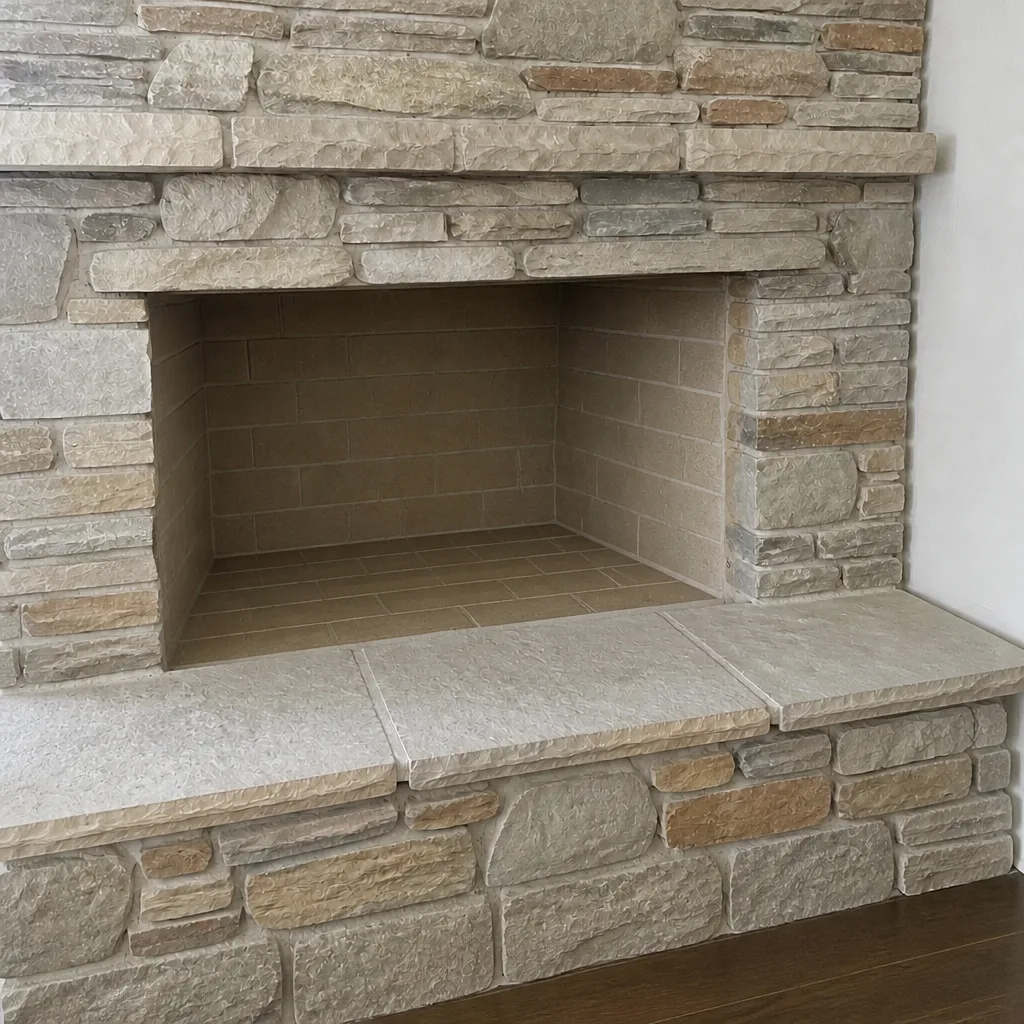
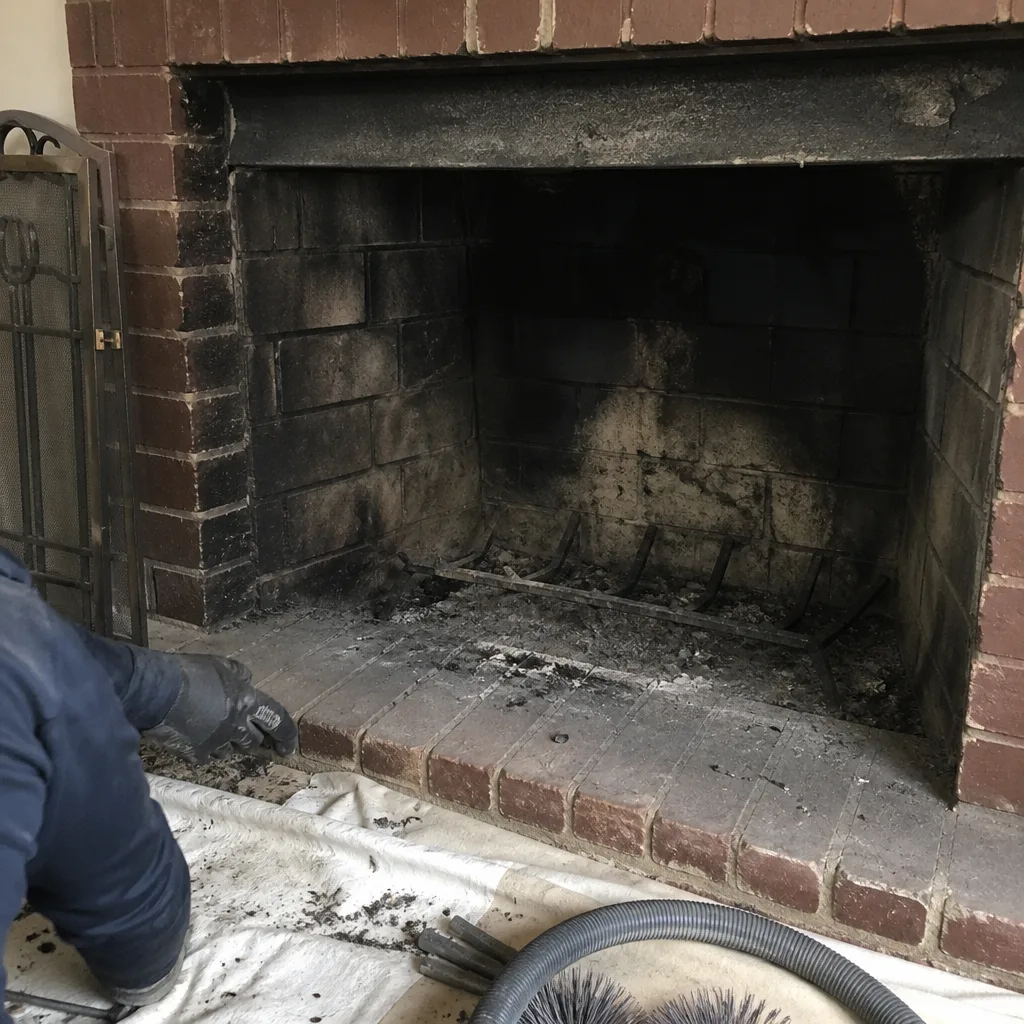
See the difference
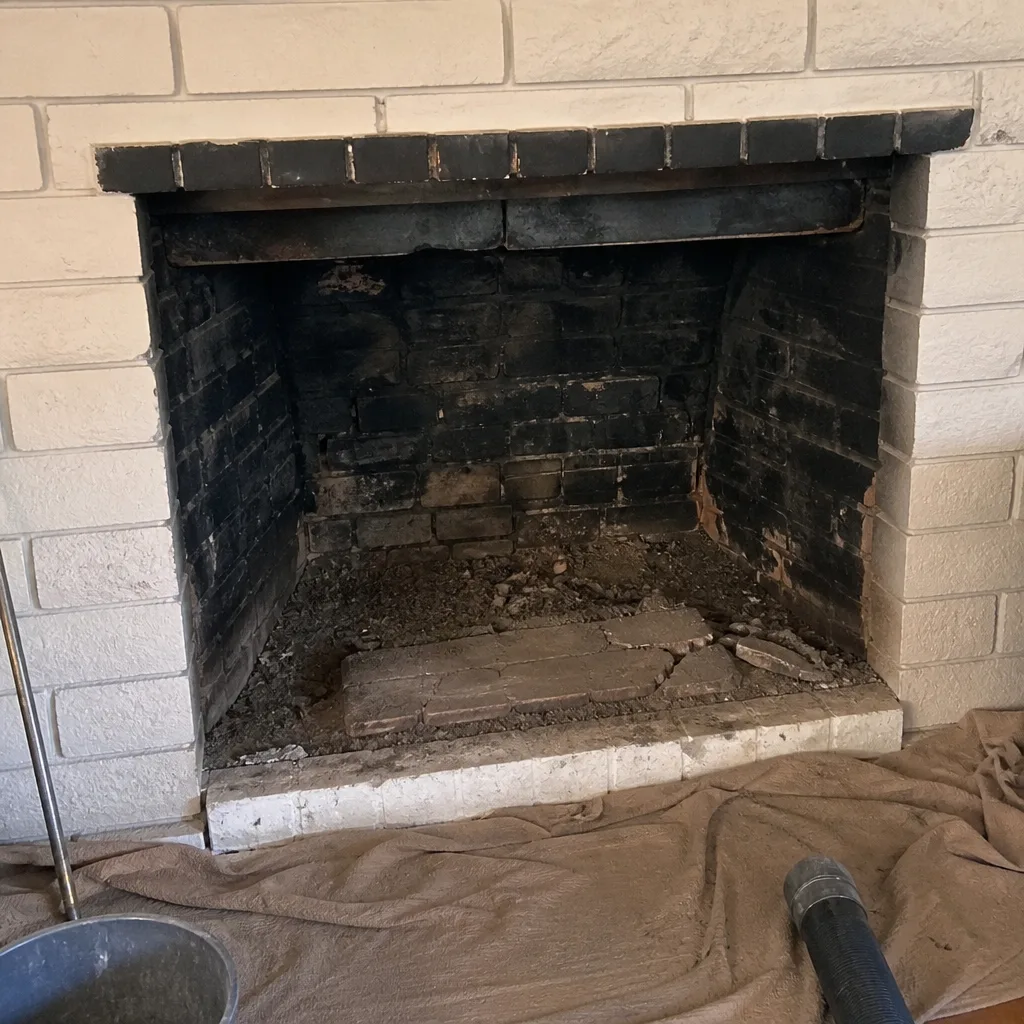 Before
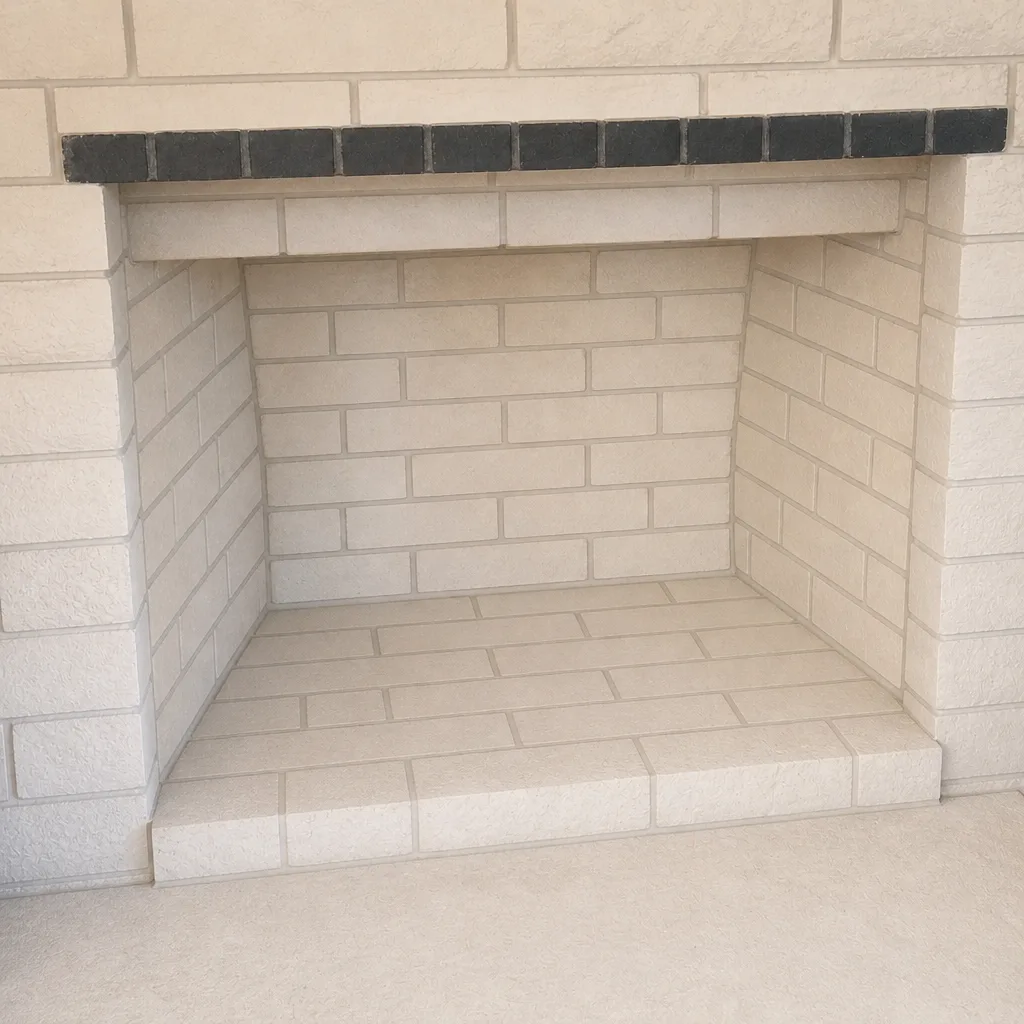 After
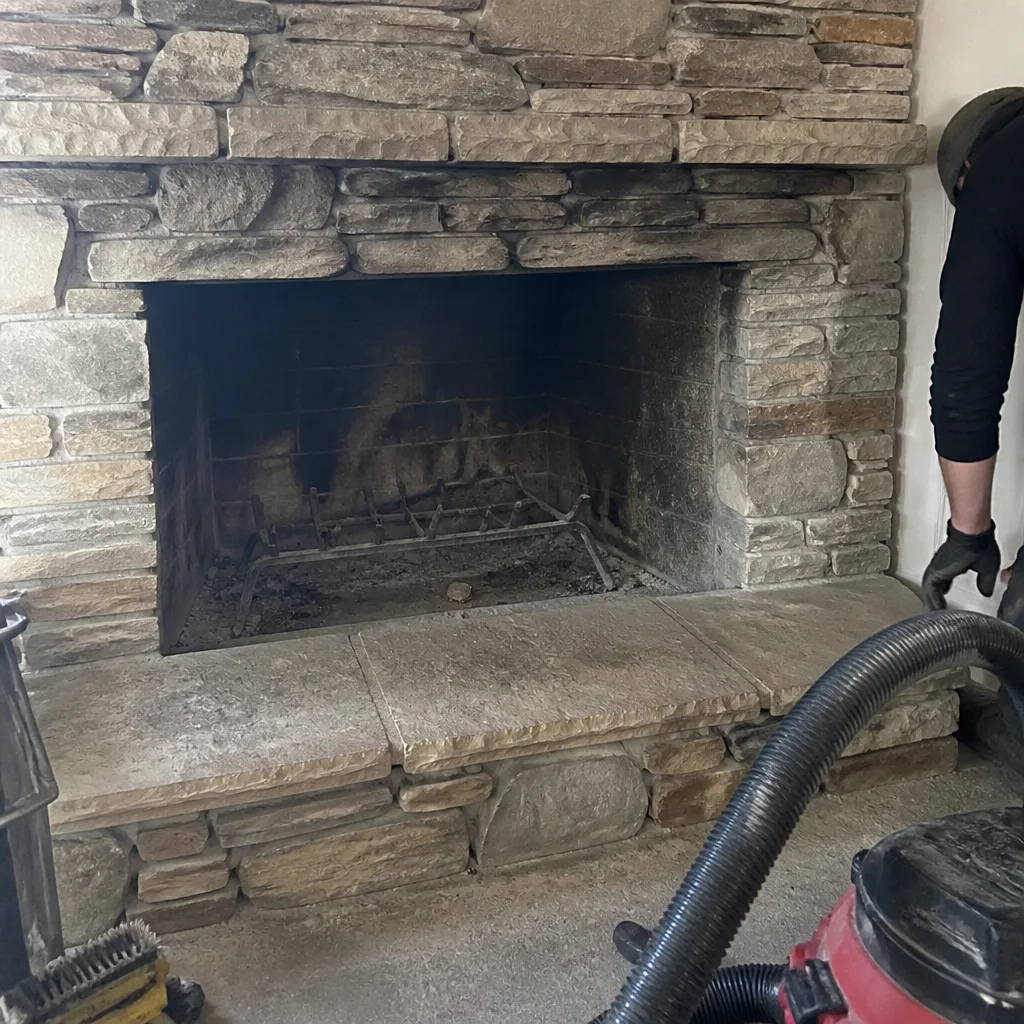 Before
 After
 Before
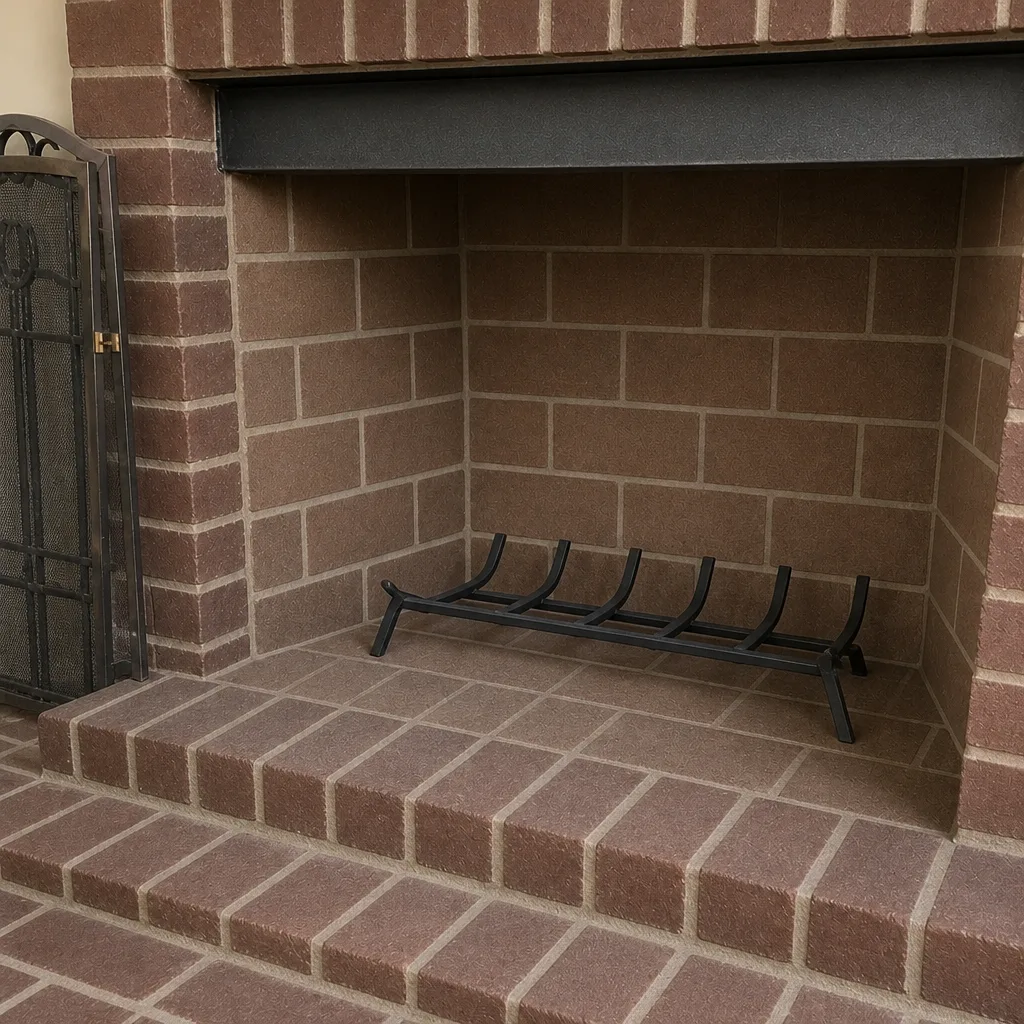 After
Frequently Asked Questions
Most homeowners don’t, and it’s the question we get asked most often. A liner needs attention when camera inspection shows cracking, spalling, gaps at the joints, or stage 3 glazed creosote inside the flue. A HeatShield resurfacing can often restore a liner that a sweep-only competitor would tell you to replace, so ask for a camera look before you agree to anything.
Once a year is a safe general rule for a chimney you actually use, and more often if you burn frequently or notice a smell, slow draft, or soot streaking. In Granada Hills, that annual check is also your chance to catch earthquake cracks and crown wear early. Call (855) 774-3956 for an exact estimate on a sweep – estimates are free.
It’s most often a damper or flue that no longer seals, letting creosote odor back into the room when pressure outside drops. In older Granada Hills homes, this pattern is common. It’s not automatically a fire, but it does mean the chimney should be looked at, so call us for an exact estimate.
Yes, and it’s one of the clearest warning signs that creosote has built up in the flue. The odor gets stronger on warm days because the flue is pulling that air back into the house. That’s the point to schedule a cleaning before the next burning season.
Creosote keeps building, and the deposits move toward the glazed stage that burns hot and can ignite. Moisture also keeps working on the crown and masonry, and small cracks widen with each season. It’s the sort of problem that’s cheap to fix early and expensive to fix late, so call us for an exact quote on a cleaning.
Yes, and you should. Look for visible crown cracks, a gap between crown and flue, rust streaks, missing or damaged caps, and spalling brick on the upper stack. What you can’t assess from the ground is the interior flue and the liner, so schedule an inspection when anything looks off and call (855) 774-3956 to book it.
The Bottom Line
Chimney warning signs are usually visible or smellable long before they become emergencies. The campfire smell on a windy day, chalky efflorescence at the firebox, rust on the damper, a cracked crown, or mortar that’s gone powdery all point to specific problems you can sort with the triage system above. In Granada Hills, add earthquake micro-cracks and heat-bleached mortar joints to your annual list. Sweep, inspect, cap, crown, and repair all belong to one specialist, so one call covers it. Our technicians have up to 10 years of experience working on the full chimney lifecycle, from the firebox to the crown, with industry-trusted materials. Call (855) 774-3956 for a free estimate. We answer 24/7. Fast dispatch from 7am to 7pm, Sunday through Friday, and we’re closed Saturday.
For a broader look at the full range of chimney work we handle in Granada Hills, start with Chimney Sweep Granada Hills. If you’re a neighbor nearby, see our chimney sweep in Northridge and our chimney sweep in Porter Ranch.
Written by the team at Chimney Sweep Granada Hills.