
Last updated November 22, 2026
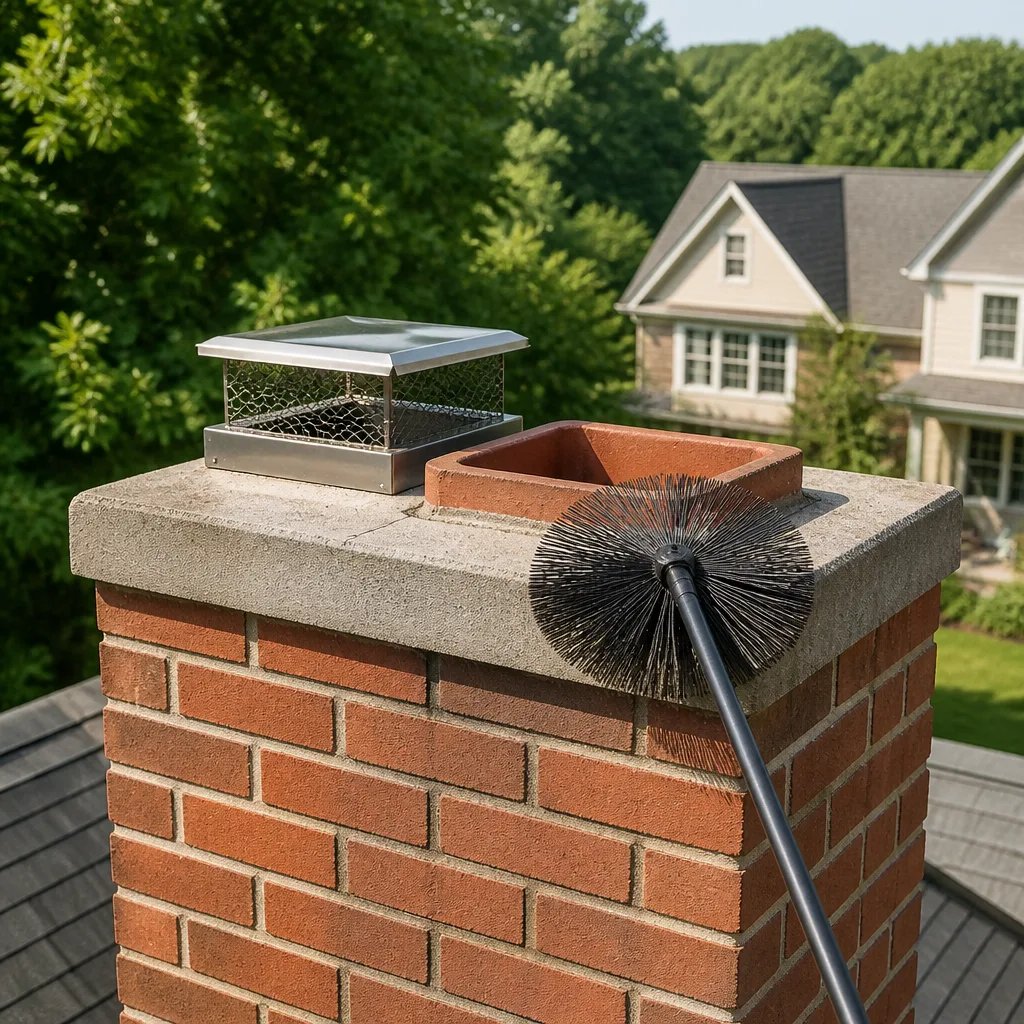 Sweep & inspection
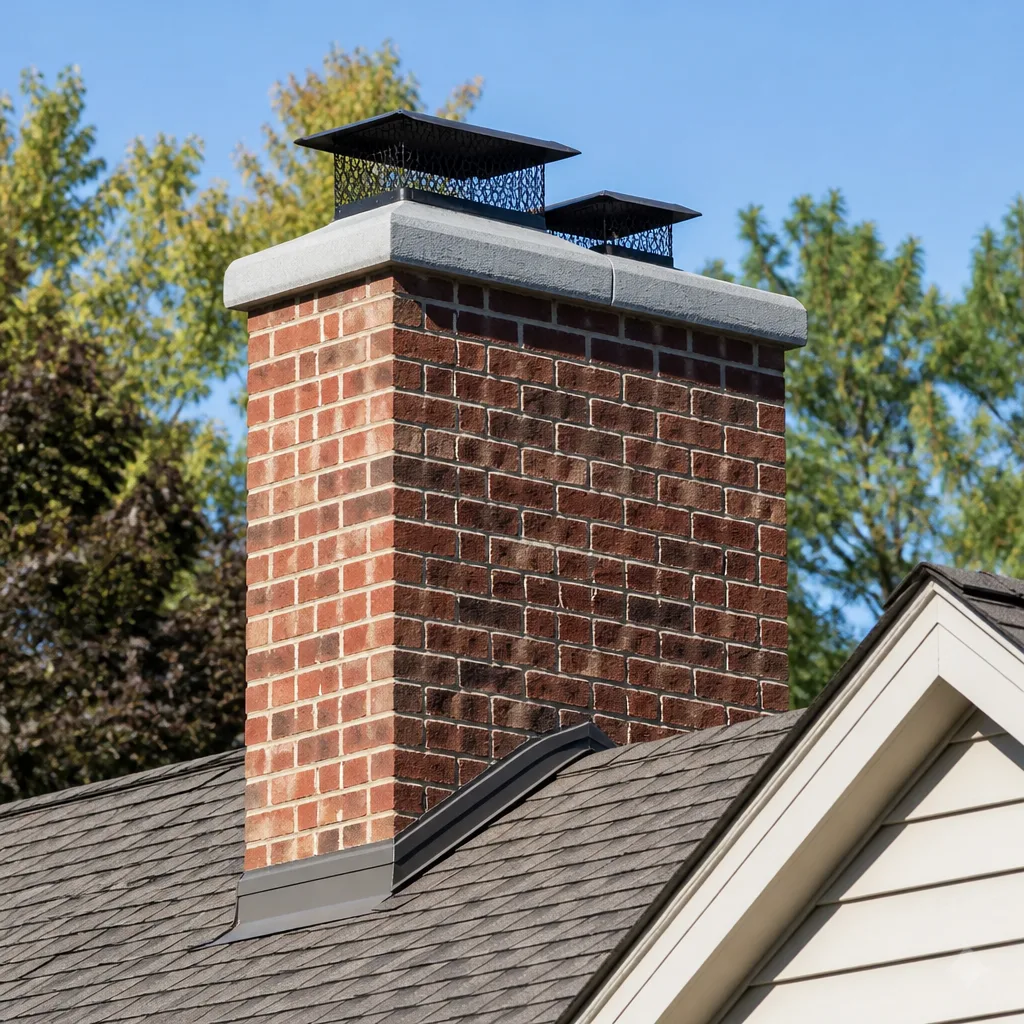 Caps & crowns
 Flue relining
 Masonry repair
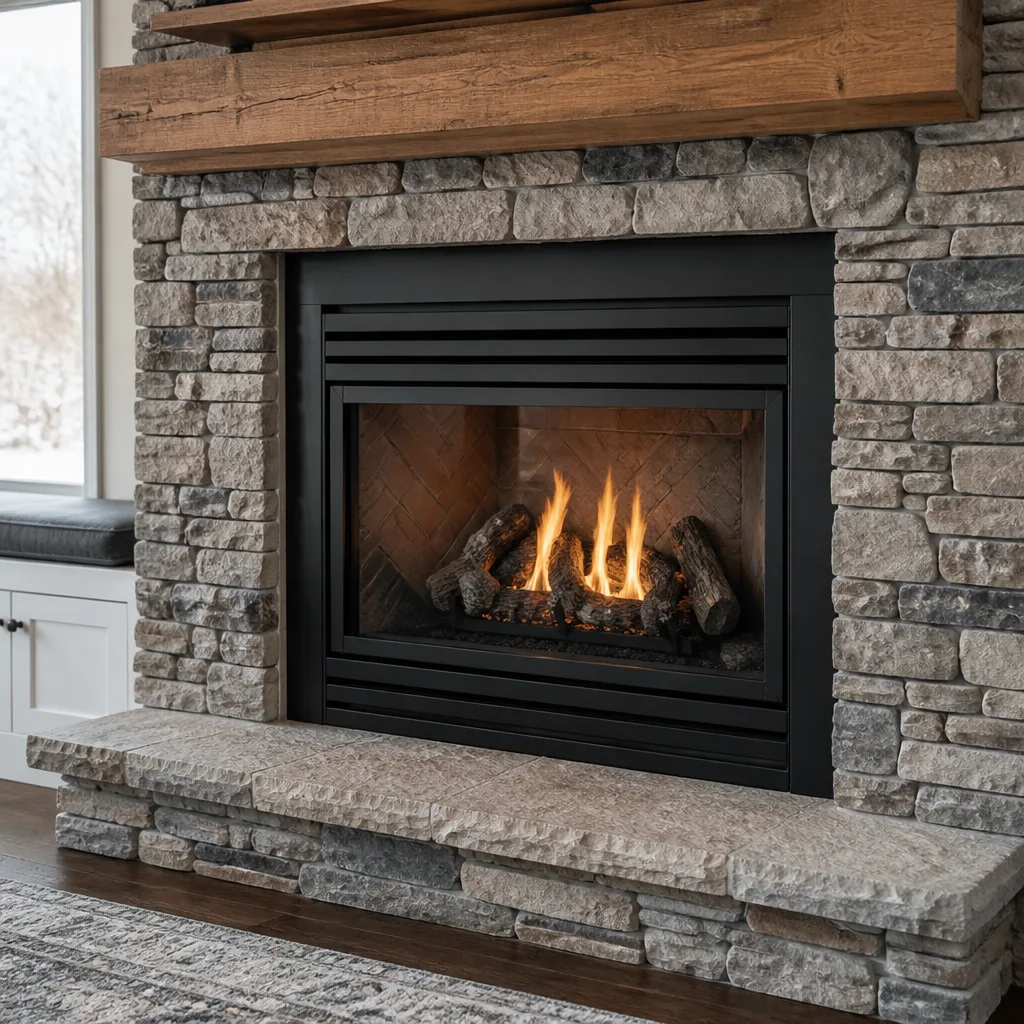 Gas fireplace service
Level 1 sweep and inspection to the NFPA 211 annual standard - flue, crown, cap, and flashing checked and photographed
Chimney sweep logs do not sweep chimneys. They loosen some creosote - which then falls where a brush and vacuum still have to collect it.
Chimney Sweep Troubleshooting in Granada Hills: Common Problems and How to Fix Them
A smoky fireplace and a draft problem can look identical from the living room. One is a cleaning issue. The other may be a structural one. That single fact explains why so much chimney troubleshooting goes wrong: homeowners search for the symptom they can see, find a fix for the most common cause of that symptom, and apply it to a chimney that has a completely different problem. A backdraft that blows smoke into the room during a Santa Ana wind event has nothing in common with a blocked flue, yet both make the fire hard to light. We wrote this guide to help Granada Hills homeowners read their chimney’s actual signals before calling anyone. You’ll learn which sounds mean what, how to run a simple paper-smoke test, and where the line sits between a problem you can clear yourself and one that needs trained eyes.
Quick Answer
Most chimney problems in Granada Hills fall into four root-cause groups: creosote and debris blockages, draft issues caused by the dry Santa Ana winds, water intrusion through a failed cap or crown, and structural damage to the flue liner or masonry. A paper-smoke test helps tell a blockage apart from a damper or draft problem before you spend money. Blockages from cap debris can often be cleared yourself, but liner fractures, cracked crowns and spalling masonry always need a professional because the risk of fire spread or carbon monoxide exposure is real.
Styles & brands we work with
- Sweep & inspection
- Caps & crowns
- Flue relining
- Masonry repair
- Gas fireplace service
Table of Contents
- Why Your Chimney’s Symptoms Point to Multiple Causes
- The Paper-Smoke Test: Blockage vs. Damper vs. Draft
- Santa Ana Winds and Draft Reversal in Granada Hills
- What That Sound During a Fire Actually Means
- A Symptom-to-Cause Matrix for Granada Hills Masonry Chimneys
- Debris Blockage vs. Liner Fracture: DIY or Professional
- Water Intrusion: Cap, Crown and Flashing Failures
- Common Mistakes to Avoid
- When to Call a Professional
- Frequently Asked Questions
Why Your Chimney’s Symptoms Point to Multiple Causes
The core trouble with chimney troubleshooting is that the chimney is a system, not a single part. Air moves through it under pressure. Soot and creosote coat it. Water attacks it from the top down. When something goes wrong, the symptom at the bottom (smoke, smell, poor draft) usually shows up far from the cause at the top or mid-flue. A living-room observation gives you a clue, not a diagnosis.
Think about the two problems homeowners confuse most: a smoky fire and a weak draft. From the sofa they look the same. But a smoky fire can come from a restricted flue (a blockage), a damper that won’t open fully, or a flue that’s undersized for the firebox. A draft problem is often the reverse: the flue is open and clean, but outside air pressure is pushing smoke back down. The Granada Hills climate makes the second one unusually common. Dry, gusty Santa Ana conditions in the fall and winter send air pressure the wrong way down the flue, and the fire struggles.
The fix for each is entirely different:
- Sweeping solves a creosote or debris restriction. The flue opens up; the fire draws again.
- fireplace repair solves a damper, hinge or firebox problem. A stuck or warped damper mimics a dirty chimney but a sweep won’t touch it.
- Draft correction solves backdraft. It may mean raising the flue, adjusting a cap, or improving the smoke chamber, not cleaning anything.
- Liner restoration solves a cracked or deteriorated flue. A sweep won’t fix a fracture; resealing the flue with a system like HeatShield will.
In our experience here in Granada Hills, homeowners often pay for two or three cheaper attempts before they get the actual cause. We inspect before we recommend anything, because guessing costs more than looking. If you live near the older masonry homes north of Rinaldi or around the Balboa corridor, that principle matters even more: aging clay flues and original damper hardware give you plenty of ways to misread a symptom.
The Paper-Smoke Test: Blockage vs. Damper vs. Draft
Here’s a simple way to separate a blockage from a damper problem before you call anyone. It won’t tell you everything, but it will narrow the field. This is not a fix and it doesn’t replace a real inspection; it’s a diagnostic that helps you describe the problem accurately. Never use this test to send heat up a flue you haven’t inspected, and never burn anything other than a small amount of paper for it. Sparks from a cardboard or paper test are a real risk if creosote has built up, so keep it small.
- Cold-start the chimney. Make sure the firebox is clear and the damper is fully open. Feel for the damper with your hand; don’t force it.
- Light a small, clean flame. Roll a few sheets of plain paper into a loose torch and light it near the damper opening, then hold it there. The smoke should rise up and out.
- Watch which way the smoke goes. Steady upward pull means the flue is open and drafting. Smoke that hangs, curls back into the room, or sinks means you’ve found the symptom.
- Test with a window cracked open. If cracking a nearby window fixes the smoke, you had a tight-house draft problem, not a blockage. Modern homes seal tightly; a fireplace needs makeup air.
- Test on a windy day, then a calm day. Smoke that flows on a calm day but reverses on a gusty one points to Santa Ana draft reversal rather than a clogged flue.
What the results tell you:
- Smoke that never draws, even on a calm day with a window open: suspect a blockage. Could be debris on the smoke shelf or a bird or animal nest above the damper.
- Smoke that draws with the window open but not shut: suspect a makeup-air or pressure problem, not a dirty flue.
- Smoke that reverses only on windy days: suspect a draft reversal or a cap that’s poorly placed or overwhelmed. This is the pattern we see most often in Granada Hills.
- Smoke that flows fine but the fire still smokes: suspect a damper that isn’t opening fully, or a firebox geometry problem.
Run the test, note what you saw, and tell us. That description helps us arrive prepared and skip the guesswork. For a fuller walkthrough of routine cleaning, see our chimney sweep page.
Santa Ana Winds and Draft Reversal in Granada Hills
Granada Hills sits in the San Fernando Valley, and the Valley’s signature weather event is the Santa Ana wind: dry, gusty air that comes over the mountains and pushes westward into the valley. For a chimney, that’s a problem. A fireplace is designed to draft upward because warm air rises and pressure is lower at the top of the flue. During a strong Santa Ana event, outside pressure can tilt the other way, and the flue pulls downward. Smoke enters the room even though the chimney is perfectly clean.
This is the single most misdiagnosed chimney problem in Granada Hills. Homeowners assume a smoky room during a wind event means the chimney needs sweeping. It doesn’t, necessarily. It may have nothing in it but air. When we see a homeowner who has paid for several sweeps and still gets smoke on windy days, the draft itself is usually the issue, not soot.
Signs you’re dealing with draft reversal rather than a clogged flue:
- Smoke shows up on gusty days and clears when the wind dies down.
- The fire is hard to light on windy days, then behaves once it’s going.
- You smell ash or smoke in the room even with no fire (the wind pushes air and smell down the flue).
- Your home is tightly sealed, so the chimney can’t pull enough makeup air.
- A second fireplace or a kitchen exhaust fan, when running, makes it worse.
What actually helps is correcting the draft, not scrubbing the creosote. Depending on the chimney, that may involve a taller flue termination, a cap designed to stabilize flow, or adjusting the firebox and smoke chamber. A cap that’s too short or too decorative can obstruct upward draft; a properly designed termination helps. Our chimney cap & crown service exists partly for this reason: the right cap stabilizes draft and keeps water and animals out at the same time.
One practical note for the next wind event: keep the fire small, crack a nearby window a little to give the flue makeup air, and pre-warm the flue with a rolled paper torch before lighting the fire. These steps reduce the reversal but don’t fix the cause. If smoke in the room is a recurring problem on windy days, that’s worth a look rather than another sweep.
What That Sound During a Fire Actually Means
Homeowners describe a soft popping, flaking or “spalling” sound during a fire and wonder whether it’s normal. Usually, it isn’t. A healthy masonry chimney doesn’t make noises like that. A gentle ticking as metal components warm up is normal. A sound like small chips or flakes falling is not.
Here’s how to read the sounds:
- Soft ticking or a metallic tink that fades as the fire grows: metal warming and moving. Normal.
- A crackle that continues or gets louder: creosote burning off inside the flue. This is a warning sign, not a normal fire sound. Creosote is what fuels chimney fires, and crackling creosote can be the early stage of one.
- A spalling, flaking or “raining chips” sound: pieces of the clay flue liner breaking away. That lining is what protects the masonry from the fire. When it spalls, the chimney is losing its heat barrier and the risk of fire reaching the house structure rises. Stop using the fireplace until it’s inspected.
- A dull whoomph or roar: possibly a small chimney fire. Get everyone out, call the fire department if in doubt, and don’t use the fireplace afterward until a professional has inspected it.
- A rattling or flapping near the top: often a loose cap, a failing damper, or wind in the flue above. Usually a cap or damper issue, not a fire danger.
The spalling sound is the one that matters most on this list. It means clay liner material is breaking down, and the fix isn’t cleaning. It’s a repair to the liner, which is why a specialist should look at it before the next fire. Granada Hills has a lot of original clay-tile flues, and clay spalls faster when the flue has been exposed to water damage from a failed cap or crown. That’s one reason we spend time on preventive cap and crown work: keeping water out is cheaper than rebuilding a flue later. Built to last, not patched to pass.
A Symptom-to-Cause Matrix for Granada Hills Masonry Chimneys
This is the troubleshooting chart we wish every homeowner had. It’s built specifically for the masonry chimneys common in Granada Hills’s older housing stock, where original clay flues and brick or stucco exteriors are the norm. Read the symptom in the left column, then the likely causes in order of probability. The fix column tells you who can handle it.
- Symptom: smoke rolls into the room on windy days. Likely causes: Santa Ana draft reversal, a short or obstructed flue termination, a poorly placed cap. Fix: draft correction, cap replacement. Professional.
- Symptom: fire won’t draw at all, even on calm days. Likely causes: a blockage from creosote, debris, or an animal nest. Fix: inspection and sweep, sometimes cap debris removal. Often professional, but see the next section.
- Symptom: low, lazy flame with a lot of smoke just after lighting. Likely causes: cold flue (normal in the first few minutes), a blocked smoke shelf, a damper that isn’t fully open. Fix: pre-warming, sweeping, or fireplace repair.
- Symptom: a spalling or flaking sound during a fire. Likely cause: a deteriorating clay flue liner. Fix: liner inspection, then a resurfacing or relining system. Professional only.
- Symptom: a crackle that grows during a fire. Likely cause: creosote igniting. Fix: stop using the fireplace, then proceed with sweeping and inspection. Professional.
- Symptom: a white, chalky staining on the exterior chimney. Likely cause: water getting into the masonry, often a caustic bleed from the crown or a flashing problem. Fix: crown, cap or flashing work. Professional.
- Symptom: rust or staining inside the firebox, or drips in the firebox. Likely cause: a failed cap, crown or flashing letting water in. Fix: cap and crown work. Professional.
- Symptom: ash smell in the house with no fire. Likely cause: pressure problem pulling air down the flue, sometimes a partially open damper, sometimes draft reversal. Fix: damper repair or draft correction.
The matrix shows what you might otherwise miss: three symptoms that look unrelated (smoke, sound, staining) trace back to just two common causes in Granada Hills masonry chimneys: water intrusion and draft chaos. Both are preventable. If you suspect a liner or masonry issue, our chimney cap & crown page explains how water gets in and how it’s stopped.
Debris Blockage vs. Liner Fracture: DIY or Professional
Not every blockage needs a pro, and not every blockage can safely be cleared by the homeowner. The trick is telling which is which. The difference comes down to where the obstruction lives and what kind of chimney you have.
Here’s how to sort them:
- Check the top first, from the ground with binoculars. A visible nest, leaves, or a fallen cap on the chimney top is a possible DIY-clearable blockage, but climbing an unfamiliar roof is not. If reaching the cap means going up, that’s a professional job.
- Listen for the drop. Debris near the fireplace opening can sometimes be cleared by opening the damper and using a long handled brush. If the flue is long or the debris is high up, a step ladder and a brush won’t reach it, and a rotating chimney brush is the right tool.
- Look for a screen or cap inside. If the chimney has an internal screen or baffle, clearing a blockage requires it to come apart. Don’t force it.
- Stop if you see broken liner material. Pieces of clay tile or mortar falling into the firebox mean the liner is failing. That is never a homeowner fix. The flue is the barrier between fire and framing, and an exposed masonry flue is a fire risk.
- Check after every storm. A blockage that returns after wind or rain usually comes from the top of the chimney, which means the cap or crown is the real problem.
The rule of thumb: debris that fell down from the top is usually clearable; damage that started inside the flue is never a homeowner fix. A cracked liner, a liner with gaps between clay tiles, and a chimney with missing mortar all need a trained technician. This is where the safety duty is real. A fireplace liner is not a cosmetic part. A crack in the flue can let fire and carbon monoxide into the wall cavity and the rooms above. More than one house fire begins with a failed flue that nobody saw.
In cases where the liner is the problem, a professional can either reline the chimney or, where the liner is still sound enough, resurface it. Systems like HeatShield are applied by a trained technician to restore a deteriorated flue from the inside. That’s a specialized skill, and we flag it because not every chimney company does it. We work with DuraFlex liners and Olympia Chimney components to reline when a liner needs full replacement. Either path is a fraction of what it costs to deal with fire damage later. Built to last, not patched to pass.
Water Intrusion: Cap, Crown and Flashing Failures
If we could name the number-one preventable cause of chimney damage in Granada Hills, it’s water. The rainy season here is short but it’s enough: water gets into the masonry, saturates it, and the damage shows up years later as spalling brick, a failed flue, and structural issues. The good news is the entry points are limited and fixable.
The three places water gets in:
- The cap. A missing or damaged cap leaves the flue wide open to rain, wind, birds and animals. A proper cap, with a screen, keeps out both water and debris. We install Gelco, Olympia Chimney and Famco caps, all professional-grade products chosen for the chimney, not a one-size-fits-all box store cap.
- The crown. The crown is the concrete or stucco top surface that slopes water away from the chimney. When it cracks, water runs into the masonry, and the crack widens with each wet season. A repaired crown is cheaper than a rebuilt chimney. Our chimney crown repair service exists for exactly this.
- The flashing. Where the chimney meets the roof, the flashing is the metal seal. If it’s loose or rusted, water runs down the chimney and into the attic. Re-flashing is a roofing task, but the chimney side of the seal needs to be inspected at the same time.
How to spot water intrusion before it becomes structural:
- White, chalky staining on the chimney exterior (efflorescence from water pushing salts out).
- Rust or damp staining inside the firebox.
- Peeling paint or soft mortar joints near the top of the chimney.
- Dampness in the attic near the chimney chase.
Since Granada Hills sits in a dry climate most of the year, water damage can hide through a long hot season. The best time to look is after the first real rain of the season, or when you notice any of the signs above. Fixing the cap and crown before the next rainy season is the cheapest work in chimney care.
Common Mistakes to Avoid
- Treating every smoke problem as a dirty chimney. On windy days, a clean chimney in Granada Hills can still smoke. Ask whether the symptom is a wind-day problem before you pay for another sweep.
- Burning unseasoned wood in a flue that’s hard to draw. Wet wood makes more creosote and more smoke. Seasoned hardwood gives a chimney less to fight.
- Clearing a blockage without checking the liner afterward. Debris that fell from the top can hide damage it caused on the way down. Check the liner before the next fire.
- Using a store-bought cap on a flue that has draft problems. The wrong cap makes the draft worse. A cap should be matched to the chimney, not grabbed off a shelf.
- Assuming a new house has no chimney problem. Even newer homes in Granada Hills can have undersized flues or poorly balanced air, and the symptom (smoke) looks the same.
- Ignoring a spalling sound because the fire still burns. Clay flaking is not harmless noise. It means the liner is failing and it needs inspection before the next season.
- Waiting for a problem to become a repair. A cracked crown that gets caught early is a crown repair. Left another two seasons, it’s a masonry rebuild.
- Skipping the inspection on a house purchase. A chimney inspection before a Granada Hills home sale can reveal issues the seller doesn’t know about and the buyer can negotiate on.
When to Call a Professional
Some troubleshooting is genuinely yours to do: reading the smoke test, feeling for a stuck damper, checking the chimney exterior from the ground, and stopping the fire when you hear a spalling sound. Other situations call for a trained technician, and the line is clear. Call us when you hear flaking or spalling inside the flue, see pieces of clay tile in the firebox, notice rust or water stains inside the firebox, or smell ash in the house with no fire lit. If smoke reverses on windy days after several sweeps, that’s a draft problem worth diagnosing. If the chimney hasn’t been inspected in recent memory or you’re buying or selling a Granada Hills home, book a standalone inspection before the next fire season. Our technicians have up to 10 years of experience, we inspect before we recommend anything, and we work with professional-grade materials like DuraFlex, HeatShield, Gelco and Famco. Chimney Sweep Granada Hills offers free estimates in Granada Hills – call (855) 774-3956. We answer 24/7. Fast dispatch from 7am to 7pm, Sunday through Friday.
Frequently Asked Questions
Draft reversal on windy days is the most common problem we see in Granada Hills masonry chimneys, followed by water intrusion from a failed cap or crown. Both produce symptoms (smoke in the room, a hard-to-light fire) that homeowners often mistake for a dirty chimney. A paper-smoke test on a calm day helps you tell the difference. Call (855) 774-3956 for an assessment.
Run the paper-smoke test: if the smoke never rises on a calm day with a window cracked open, suspect a blockage; if it rises with the window open but fails when the window is shut, suspect a draft or makeup-air problem. Smoke that reverses only on gusty days points to Santa Ana draft reversal, not a blockage. If you’re not sure, an inspection settles it. Call (855) 774-3956 for an exact answer.
A crackling that grows during a fire is a warning sign of creosote igniting and should be treated as a fire risk. Stop using the fireplace and have the flue inspected before the next fire. A soft metallic ticking as the chimney warms up is normal; a growing crackle is not.
A spalling sound is pieces of the clay flue liner breaking away and falling, which means the liner is failing. That’s a structural problem, not a cleaning one. Stop using the fireplace until a professional has inspected the flue, because a damaged liner is the main fire risk in a masonry chimney.
Only if the blockage is debris near the top that you can safely reach without climbing, or light debris near the firebox you can reach through the damper with a proper brush. Anything that requires a roof, a ladder, a rotating brush, or that reveals broken liner material is a professional job. Climbing an unfamiliar roof for a blockage is how injuries happen.
Annual inspection is standard for any fireplace in regular use, and it’s the right call before each fire season. An inspection catches a cracked crown or a failing liner while it’s still a repair rather than a rebuild. Granada Hills’s dry summers followed by the rainy season make the early fall a sensible time to book. Call (855) 774-3956 to schedule.
The Bottom Line
Chimney troubleshooting starts with one idea: the symptom you can see usually isn’t the cause. In Granada Hills, three culprits account for most of what homeowners bring to us: Santa Ana draft reversal, water intrusion from a failed cap or crown, and a deteriorating flue liner. Read the sound, run the paper-smoke test, check the chimney exterior after the first rain, and know when a problem is yours and when it’s a professional’s. When it’s the latter, work with a dedicated chimney specialist who inspects before recommending anything, uses industry-trusted materials, and covers the full lifecycle from sweep to cap to repair. One call covers it. Call (855) 774-3956 for a free estimate. We answer 24/7. Fast dispatch from 7am to 7pm, Sunday through Friday.
Written by the team at Chimney Sweep Granada Hills.
See the difference
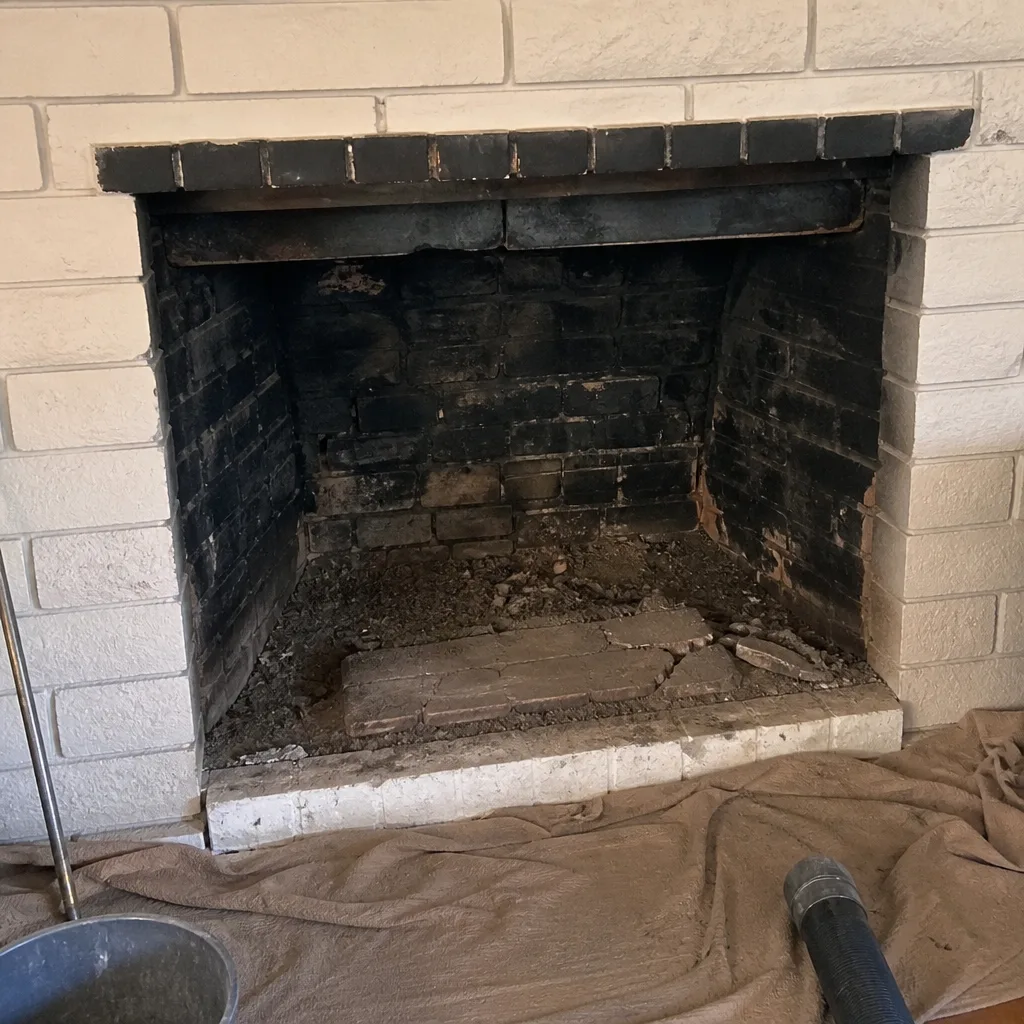 Before
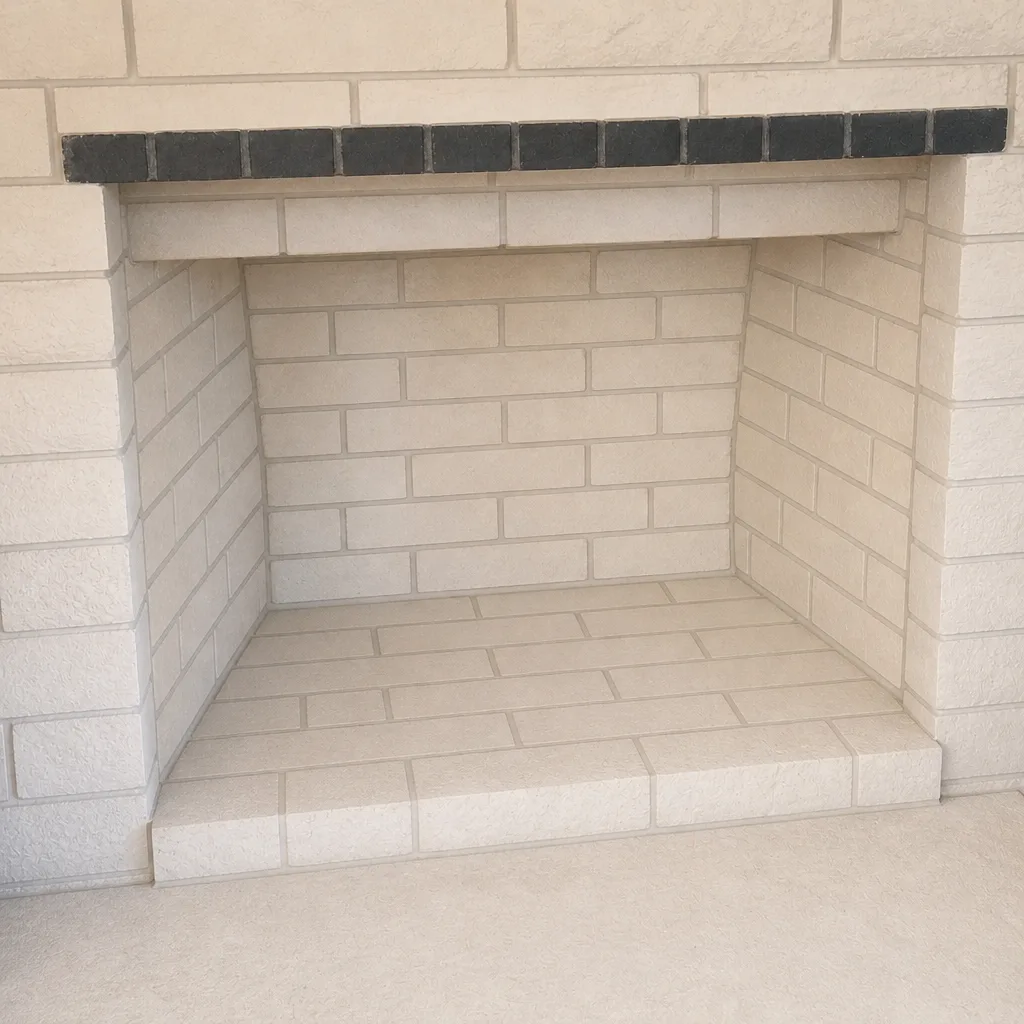 After
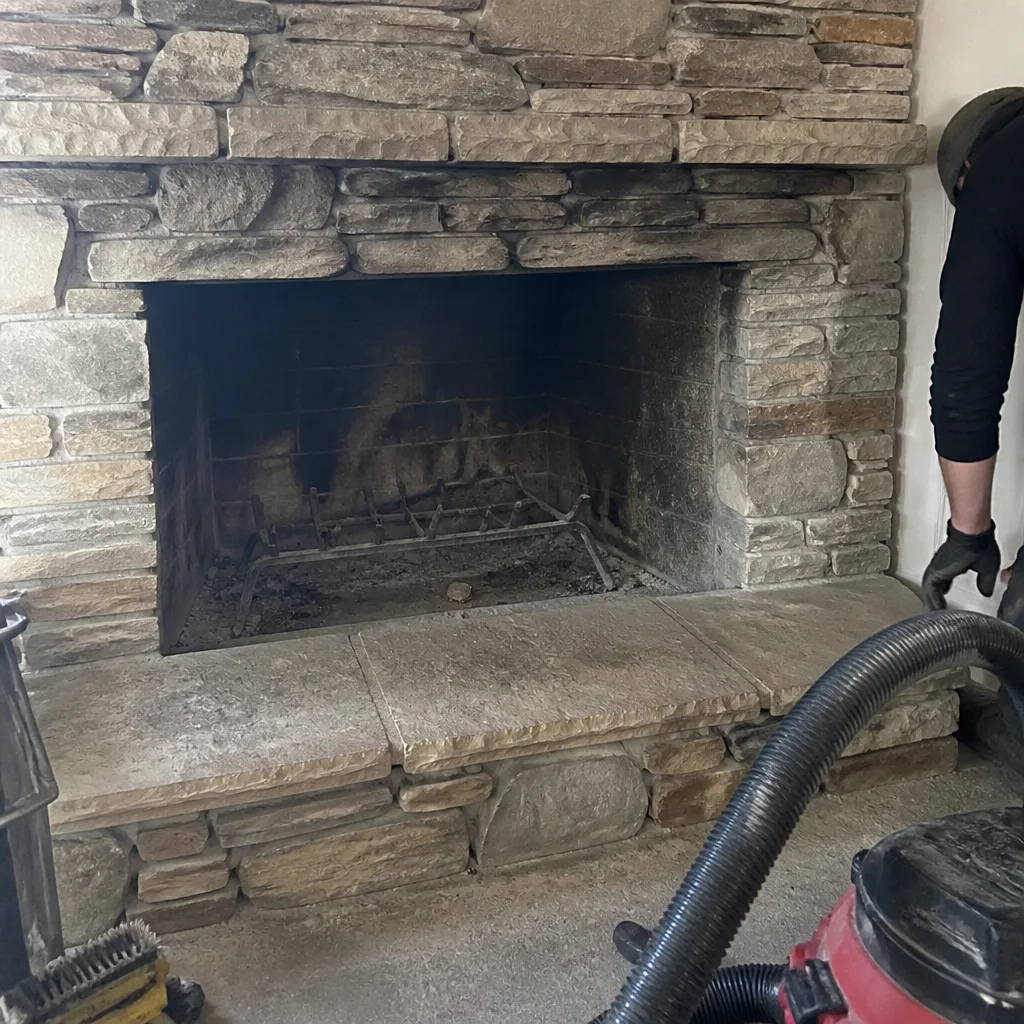 Before
 After
 Before
 After