
Last updated November 22, 2026
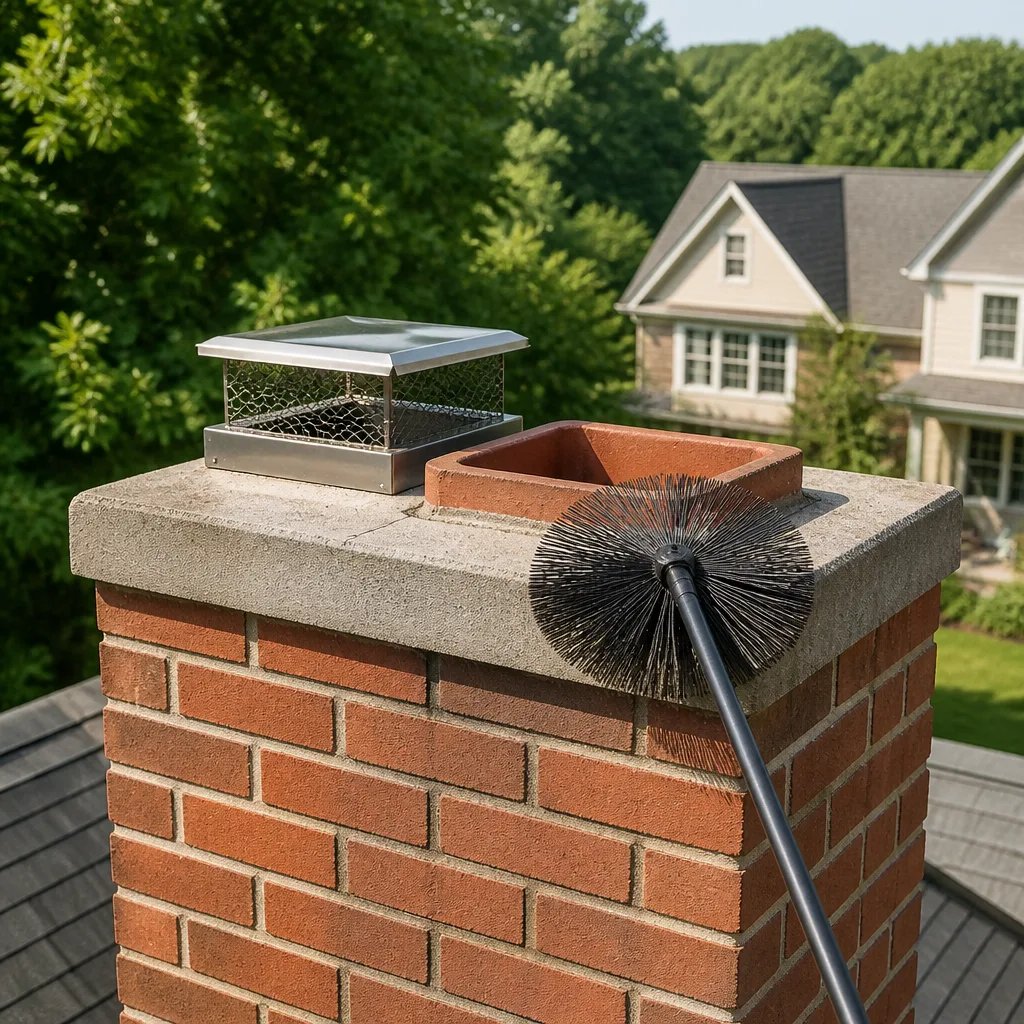 Sweep & inspection
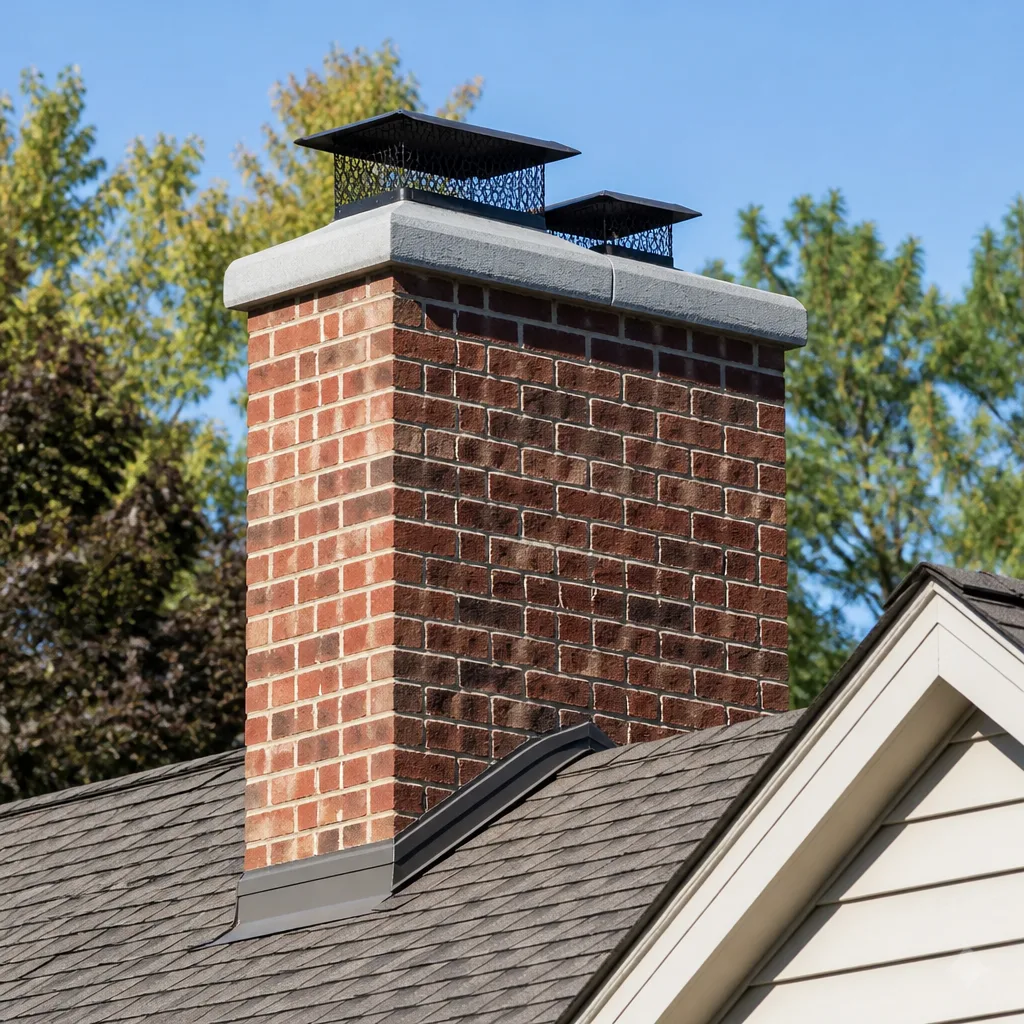 Caps & crowns
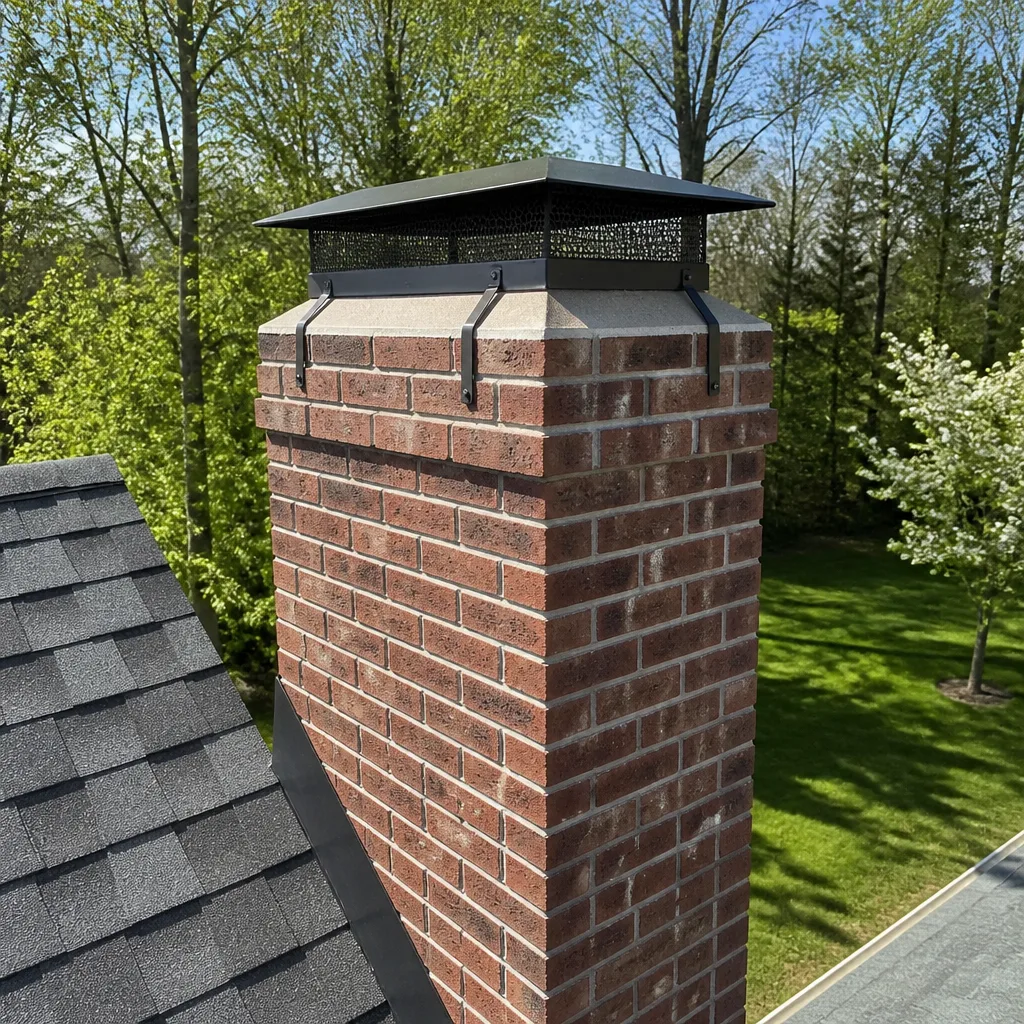 Flue relining
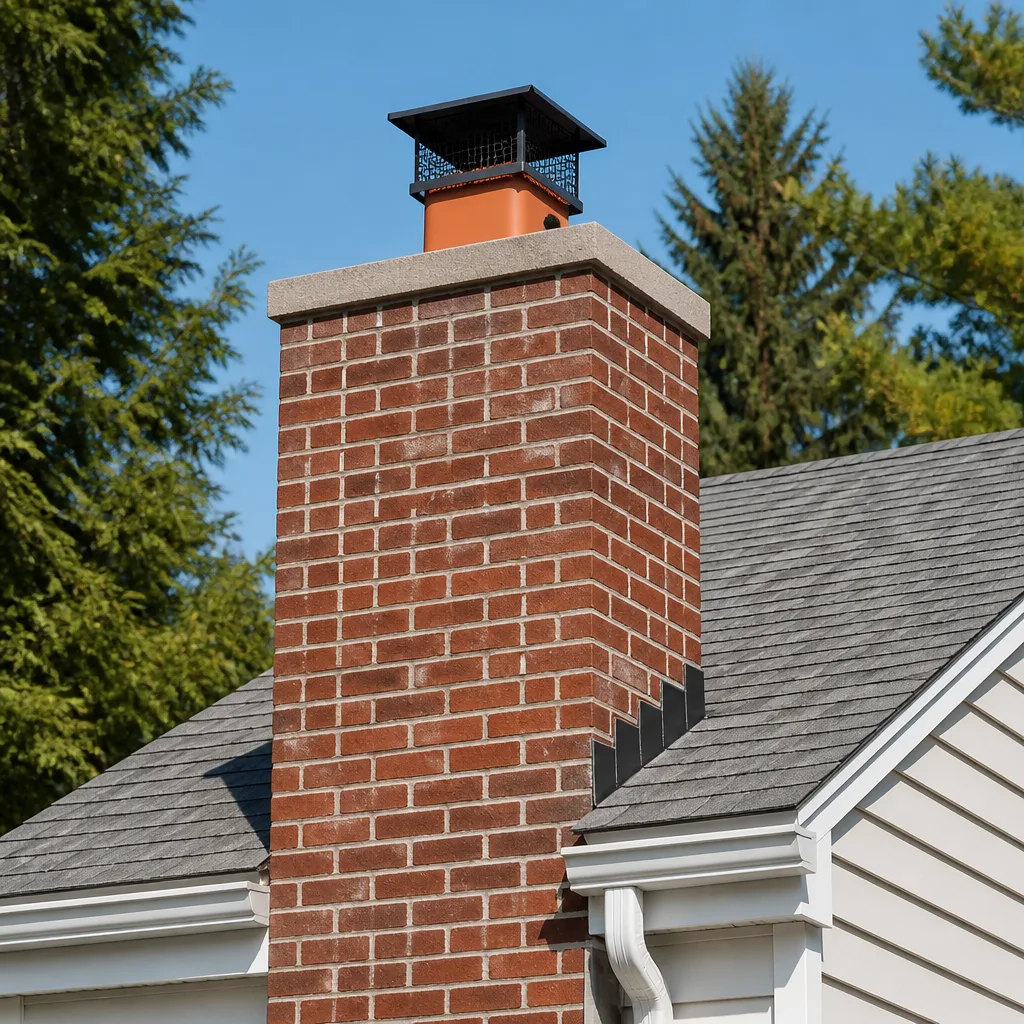 Masonry repair
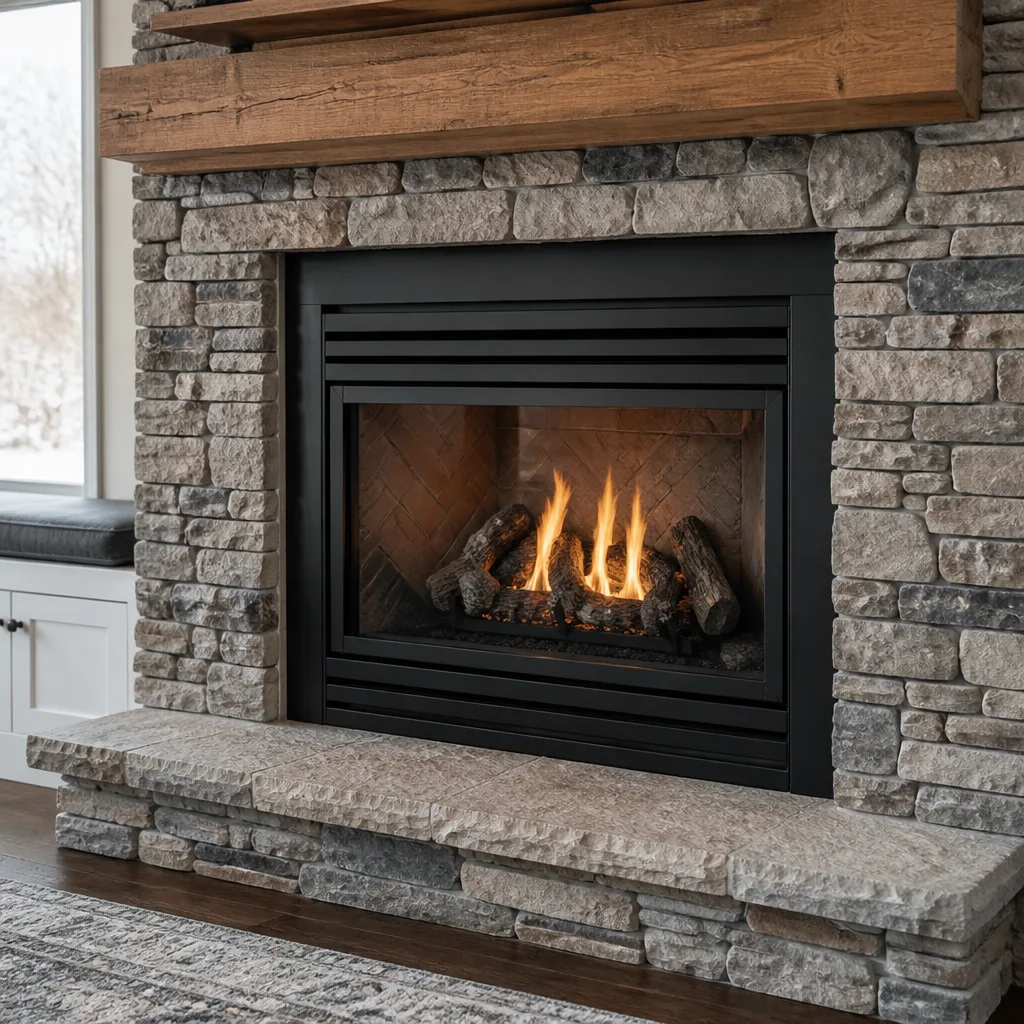 Gas fireplace service
Level 1 sweep and inspection to the NFPA 211 annual standard - flue, crown, cap, and flashing checked and photographed
Chimney sweep logs do not sweep chimneys. They loosen some creosote - which then falls where a brush and vacuum still have to collect it.
Chimney Sweep Maintenance Schedule: What to Do and When
Most homeowners who burn only a handful of fires each winter figure they can skip the annual inspection. Low use, low risk, right? In our experience it works the other way around. A chimney that sits dormant for nine months is a quiet, dry, sheltered cavity, and that is exactly the kind of space wildlife looks for. Add the mild, humid stretches of a San Fernando Valley winter and passive moisture damage can set in without a single flame ever being lit. This guide lays out a real maintenance calendar for Granada Hills, month by month, along with the burn-frequency thresholds and material choices that change what “keeping up with your chimney” actually means for your home.
Quick Answer
Sweep and inspect a wood-burning chimney once a year, and schedule that service in spring rather than fall so you catch winter wildlife nesting and moisture problems before they settle in. Gas fireplaces still need an annual inspection even though there’s no creosote to sweep. Add a waterproofing review every 5 to 7 years, and move to twice-a-year sweeping if you burn more than about a cord of wood per season.
Styles & brands we work with
- Sweep & inspection
- Caps & crowns
- Flue relining
- Masonry repair
- Gas fireplace service
Table of Contents
- Why Spring Inspection Beats Fall in Granada Hills
- The Month-by-Month Maintenance Calendar
- Burn-Frequency Thresholds: 25, 50, and 100+ Fires
- The Waterproofing Cycle Most Guides Leave Out
- Gas vs. Wood: Two Different Schedules
- Inspection vs. Sweep: What You Actually Need
- Signs Your Schedule Needs to Move Up
Why Spring Inspection Beats Fall in Granada Hills
Conventional advice says to book your sweep before the first cold snap. That reasoning comes from colder parts of the country where the burning season is long and creosote builds fast. Granada Hills doesn’t work that way. Our winters are mild, the burning season is short, and the real risk window is the quiet months when the fireplace is dark and everything from birds to squirrels to raccoons is looking for a warm, dry place to raise young.
In the San Fernando Valley, wildlife nesting activity peaks between January and March. By the time April and May arrive, a chimney that went unused all winter may already have a nest, a cap knocked loose, or debris blocking the flue. A spring inspection catches all of it. You get the whole dry season to schedule any repair, and by the time you’re ready to light the first fire in late fall, the chimney is clean, sound, and confirmed clear.
Fall inspections, by contrast, put you in a queue right when everyone else remembers their fireplace exists. If the inspection turns up a cracked crown or a failed liner, you’re now rushing a repair against the calendar. A spring visit to your Granada Hills home removes that pressure entirely.
There’s a passive-damage angle too. Long dry summers followed by the occasional damp winter day mean water sits on the crown and in the flue for short stretches and then evaporates. That cycle, repeated over years, is gentle compared to a hard freeze, but it still works on masonry mortar and flashing. Catching it in spring, before the dry season bakes it in, is far cheaper than catching it in October.
The takeaway is simple: for a mild-winter climate like ours, the calendar most maintenance guides use was written for someone else. Build your schedule around Granada Hills weather and Granada Hills wildlife, and you’ll spend less and catch more.
The Month-by-Month Maintenance Calendar
Here’s the annual rhythm we recommend for a wood-burning fireplace in Granada Hills. There’s a short burst of active maintenance in spring and early summer, quiet monitoring through the heat, then a light check before burning season. Everything else is just paying attention.
- January through March: Peak nesting season. Keep the cap and spark arrestor in good shape so animals can’t get in. If you notice birds or squirrels hanging around the chimney top, that’s your cue to schedule an inspection.
- April: The big one. Book your annual sweep and inspection. This is when a professional confirms the flue is clear, checks for nests and debris, and catches any damage the winter left behind.
- May: Any repairs the spring inspection flagged get done now. Crown repair, cap replacement, masonry repointing, liner work – all of it has room on the calendar.
- June and July: Waterproofing season. If your masonry is due for its waterproofing cycle, the hot, dry weather is the ideal window. This is also a good time to review the crown and flashing while you’re up there.
- August and September: Preparation. Test the damper, confirm the cap is secure, look at the firebox for loose brick or cracked mortar. Schedule a fall sweep if your annual inspection was unusually sooty.
- October and November: Burn season starts. Do a quick visual check before the first fire of the year. Keep an eye on draft – weak draft on a cold evening often means something is going on up top.
- December: Active burning. Monitor creosote buildup on the flue walls. If the fireplace is your main heat source, this is where the burn-frequency rules below matter most.
Notice what’s missing: there’s no fall scramble. The heavy lifting is done by early summer, and by the time you actually want a fire, the chimney is already sorted. If you want a deeper rundown of what an annual chimney sweep actually involves, that’s the place to start.
The calendar shifts a little for a gas fireplace, and we’ll cover that separately. But the core principle holds across both: front-load the work in spring, and the fall takes care of itself.
Burn-Frequency Thresholds: 25, 50, and 100+ Fires
The standard “once a year” rule works for most casual burners. But “how often should my chimney be swept” is really a function of how much you burn. If you actually count your fires per season, you can set your maintenance interval precisely. Here’s how we break it down. (One fire = one evening’s burning, roughly.)
- Fewer than 25 fires per season (light use). Once-a-year sweep and inspection. This is the vast majority of Granada Hills homeowners. The risk here isn’t creosote – it’s wildlife and passive moisture. Spring inspection matters more than the sweep itself.
- 25 to 50 fires per season (moderate use). One sweep per year is usually enough, but schedule the sweep and a cap check together and don’t skip the spring inspection. Creosote starts to accumulate meaningfully at this level, especially if you burn unseasoned wood.
- 50 to 100 fires per season (frequent use). Consider a sweep every spring plus a mid-season check in December or January. At this burn rate, a quick inspection in the middle of the season is worth the time. Also confirm the liner is rated for sustained use – a DuraFlex liner system is designed to handle this kind of duty, and the wrong liner won’t last.
- 100+ fires per season, or burning more than a cord of wood (heavy use). Twice-a-year sweeping, minimum. Some heavy users need a sweep every six months. If the chimney is your primary heat source, treat the annual inspection as the floor, not a target, and add a professional flue cleaning mid-season.
One more factor: what you burn. Seasoned hardwoods produce far less creosote than soft, wet, or “green” wood. If you tend to burn whatever’s handy, that alone can bump you up a threshold. And a wood stove, which runs hotter and more continuously than an open fireplace, always needs a tighter schedule than the fire count suggests.
If you’re not sure which bucket you’re in, just count. Keep a simple tally on the mantle or in a notes app. The number tells you more about your chimney than any generic recommendation ever could.
The Waterproofing Cycle Most Guides Leave Out
Every maintenance schedule you’ll find covers sweeping. Very few cover waterproofing, and that’s a real gap. Water is the single biggest cause of chimney damage over the long run – it works on the crown, the flashing, the mortar joints, and the brick face. It doesn’t announce itself. It just quietly softens masonry over years until the whole assembly needs work that costs far more than the waterproofing would have. And in Granada Hills, where a hot dry summer alternates with the occasional wet winter stretch, that slow weakening is easy to miss.
The rule we work with: apply a waterproofing treatment to exposed masonry every 5 to 7 years. The exact interval depends on the exposure of the chimney, the age and condition of the masonry, and whether any previous treatment is still beading water. When in doubt, a professional inspection of the masonry will tell you whether the coating is still doing its job.
Two things matter for the waterproofing treatment itself. First, it has to be breathable – a vapor-impermeable coating traps moisture inside the masonry and can make things worse. Second, it should be applied to a clean, sound surface. Waterproofing over failing mortar just seals the problem in. That’s why the sequence is: repair first, then waterproof. Any crown repair or flashing fix should be sorted before the coating goes on.
The chimney cap & crown side of this is where prevention really pays off. A secure, well-seated cap keeps rain and debris out of the flue opening. A sound crown sheds water off the top of the structure before it can soak into the masonry. If your cap is loose or the crown is cracked, waterproofing the sides does almost nothing. Fix the top first.
The 5-to-7-year cycle isn’t a law of physics. It’s a practical working interval that gives most Granada Hills homeowners a reliable schedule to build around. A quick look at the masonry during your annual inspection will confirm whether it’s time.
Gas vs. Wood: Two Different Schedules
A gas fireplace doesn’t need sweeping. There’s no creosote, no soot buildup, and no wood ash to clear out. A lot of homeowners read that and conclude gas needs no maintenance at all. Wrong. Gas fireplaces still need an annual inspection, just for entirely different reasons, and the wood-burning schedule doesn’t transfer over.
Here’s what a gas fireplace inspection actually covers:
- The burner and flame pattern. The flame should burn clean and blue (with some yellow at the tips). A lazy yellow-orange flame can mean blocked air intakes or a burner issue.
- The venting. Whether your unit vents directly through the wall or up a flue, the vent has to be clear and correctly connected. A blocked vent is a real carbon monoxide risk.
- The glass and gaskets. Soot or haze builds up on the glass, and gaskets can flatten. A loose gasket admits air and changes how the unit burns.
- The logs and media. Ceramic logs degrade over time, and misplaced decorative media can obstruct the burner.
- The controls and safety shutoff. Thermocouples and thermopiles wear out. The whole point of a gas fireplace check is confirming the safety system works.
The wildlife-nesting concern is different for a gas fireplace, since the venting is often direct-vent or screened. The spring inspection is still the right time, though – you get any venting issue caught before it matters – and the surrounding masonry still needs that same waterproofing cycle. Water doesn’t care how you heat the room.
What wood and gas share is the cap and crown check. Gelco and Famco caps keep weather and wildlife out regardless of what’s burning below. Olympia Chimney components and similar professional-grade parts are what most gas and wood systems were built with, and an inspection confirms yours are all present and working.
The schedule summary: wood gets swept and inspected annually, more often under heavy use. Gas gets inspected annually, and the firebox and panels get cleaned as needed. Neither should be filed under “ignore because it’s not burning much.”
Inspection vs. Sweep: What You Actually Need
A sweep and an inspection aren’t the same thing, and knowing the difference keeps you from overpaying or, worse, skipping what you need. Here’s how to think about it.
A sweep removes soot, creosote, and debris from the flue and firebox. Its job is to leave the flue mechanically clean and safe to burn in. If your chimney is dirty, you need a sweep before you can safely light a fire, and it’s also the first step before any serious inspection.
An inspection is an assessment. It evaluates the whole chimney from the firebox up to the crown: the flue liner, the mortar joints, the cap, the crown, the flashing, and the firebox itself. It doesn’t remove anything. It tells you what condition the chimney is in and what, if anything, needs attention.
Why the distinction matters: an inspection is a perfectly good standalone service. If you’re buying or selling a home in Granada Hills, you may need a professional assessment without committing to a full cleaning package. If a storm has knocked something loose, an inspection is what you want first. If a car or tree damaged the top, you don’t start with a sweep. You start by finding out what state things are in. That’s why we offer inspection as its own service – not as a loss-leader upsell attached to a sweep.
For most homeowners, the annual routine combines both: a sweep of the flue, plus an inspection of the whole assembly. For heavy burners, the mid-season check is usually an inspection only. For a chimney you’re not burning in, it’s often inspection only, full stop.
One more point: a good inspection uses the right gear. A camera inspection lets us see the inside of the flue directly, not just the parts we can reach from the firebox or the roof. When we recommend a repair based on an inspection, the evidence is visible on the report.
If your annual schedule call includes a repair recommendation, ask to see the inspection findings. Not everything needs doing immediately, and a straightforward liner issue might be resolved with HeatShield resurfacing rather than a full replacement. Getting an honest read on that starts with an inspection and the conversation that follows.
Signs Your Schedule Needs to Move Up
A calendar is a useful starting point, but your chimney will also tell you when it needs attention sooner. If you notice any of the following, don’t wait for the annual date – schedule an inspection. Some of these are harmless. A few aren’t. Getting a professional eye on them is the only way to know which is which.
- Birds, squirrels, or raccoons hanging around the chimney top. That’s your cue to check for nests and confirm the cap is intact.
- Water stains on the ceiling near the chimney, or on the masonry itself. Water is finding a way in. Check the cap, crown, and flashing.
- A strong, acrid smell in the firebox on warm days. That’s often creosote and soot releasing from inactive burning season – a sign the chimney is due for a sweep.
- Weak draft, smoke rolling into the room, or a fire that’s hard to keep lit. Something is obstructing or restricting the flue.
- Loose or crumbling mortar, missing brick, or white staining on the exterior. Masonry is failing. Waterproofing and possible repair is the next step.
- Rust or corrosion on the damper, cap, or firebox. Moisture is sitting where it shouldn’t.
- A sudden change in how the fireplace burns after a nearby storm. Impact damage isn’t common here, but debris and wind-driven damage can shift things on the outside of the chimney.
These signs don’t tell you what’s wrong. That’s a job for an inspection. But they’re the triggers that should override the calendar and get a professional out to look.
Common Mistakes to Avoid
- Waiting until fall to schedule the annual service. In Granada Hills, fall is the busiest time, and the wildlife-nesting window (January to March) has already come and gone. A spring visit catches more problems and gets you a slot without the rush.
- Assuming low use means low risk. A chimney that burns a few times a year is the chimney most likely to host a nest or hold moisture, precisely because it sits unused for months on end. Infrequent use raises, not lowers, your inspection priority.
- Skipping the waterproofing cycle. Most schedules cover sweeping and ignore the 5-to-7-year masonry waterproofing entirely. That’s where the slow, expensive damage hides.
- Treating gas fireplaces as maintenance-free. No creosote doesn’t mean no inspection. Gas burners, venting, and safety controls need an annual check just as much as a wood flue does.
- Fixing a symptom without the cause. A leaky chimney is often a cap, crown, or flashing problem. A loose cap is a standing invitation to wildlife. Fix the top and the rest follows – the chimney cap & crown work is preventive, not cosmetic.
- Burning unseasoned wood, then skipping a mid-season check. Wet wood builds creosote fast. If that’s your habit, add a mid-season inspection even if your annual sweep is on track.
- Not keeping a record of your fires and inspections. A one-line tally per season tells you exactly which burn-frequency threshold you’re in. Without it, you’re guessing, and guessing leans toward under-maintenance.
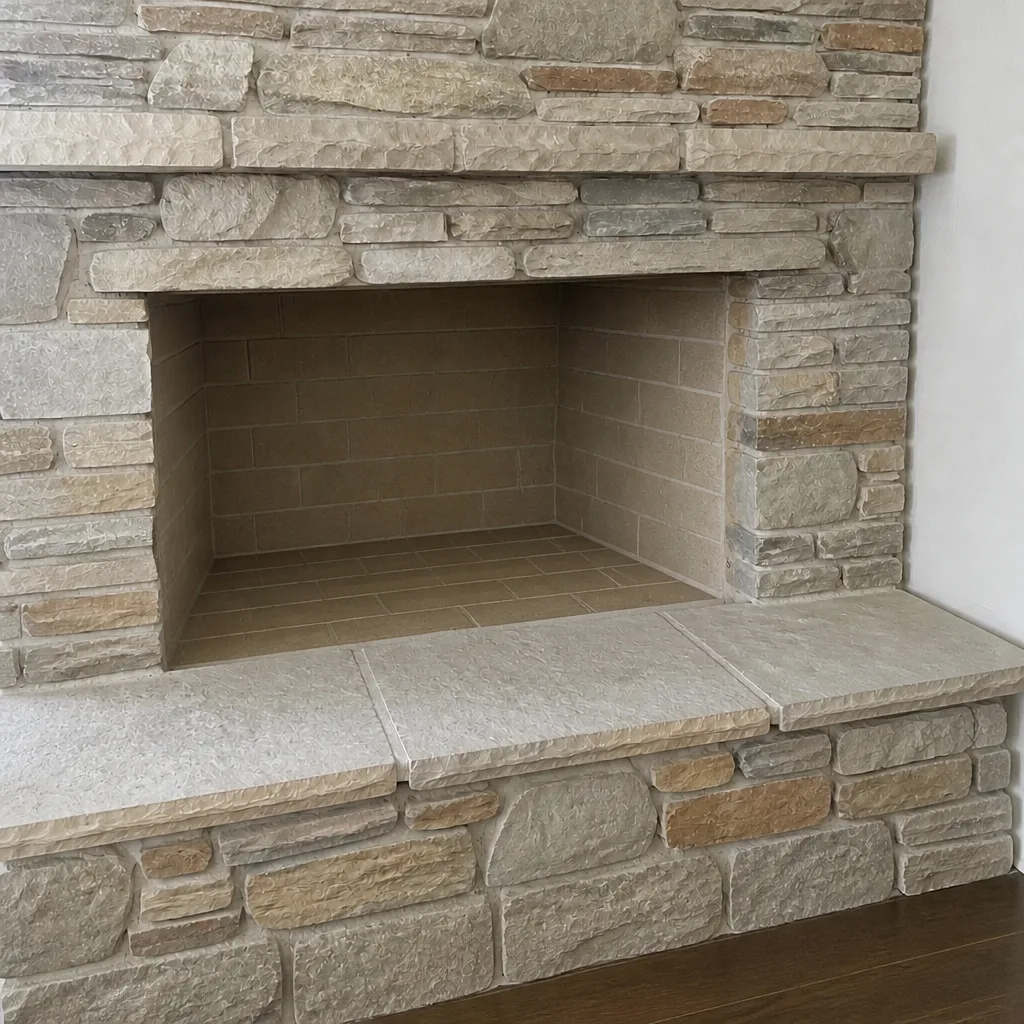
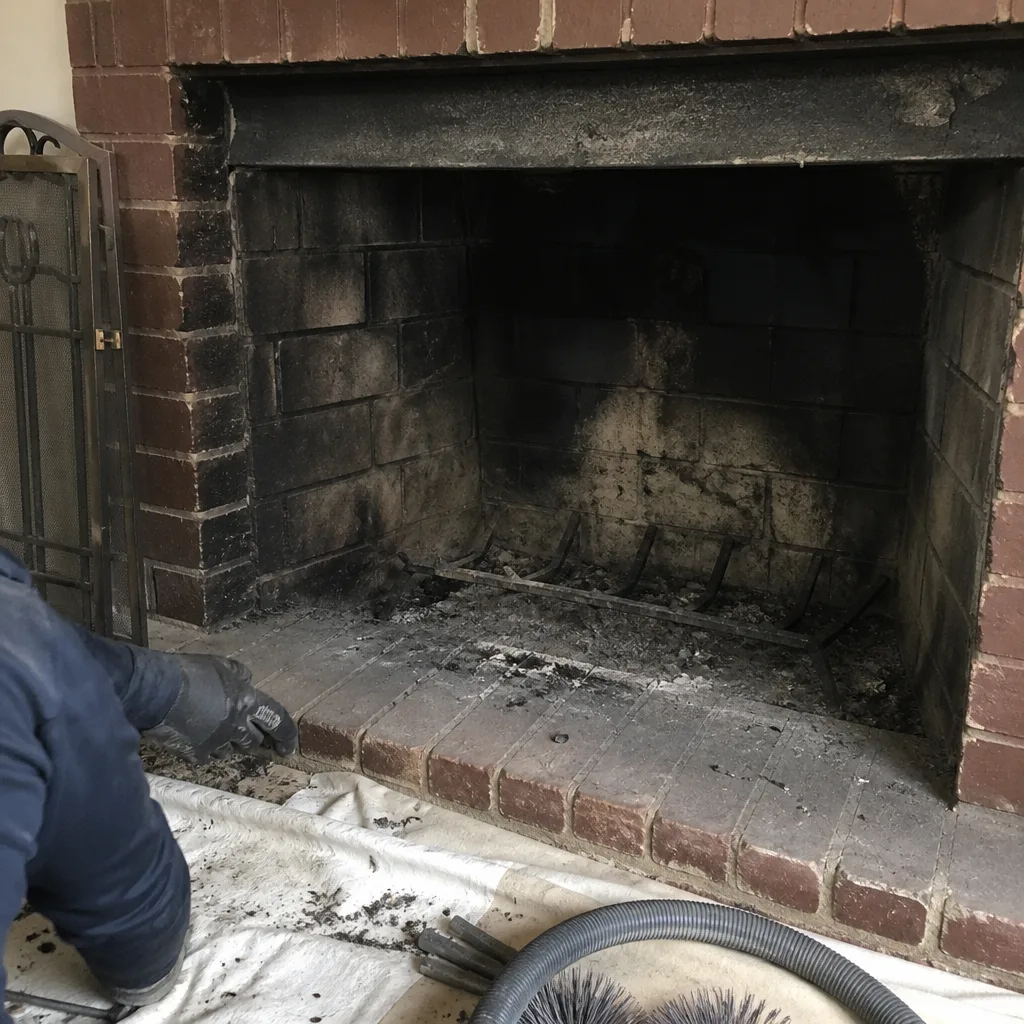
See the difference
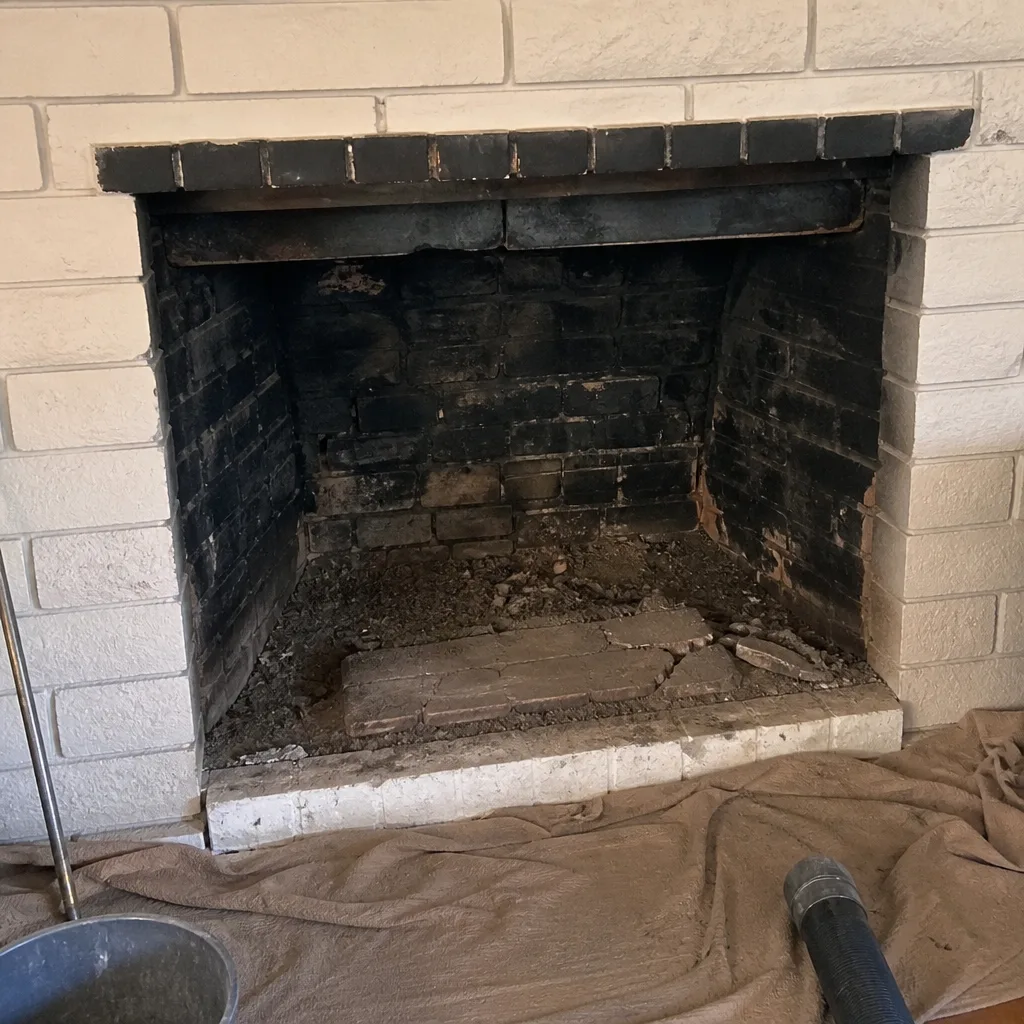 Before
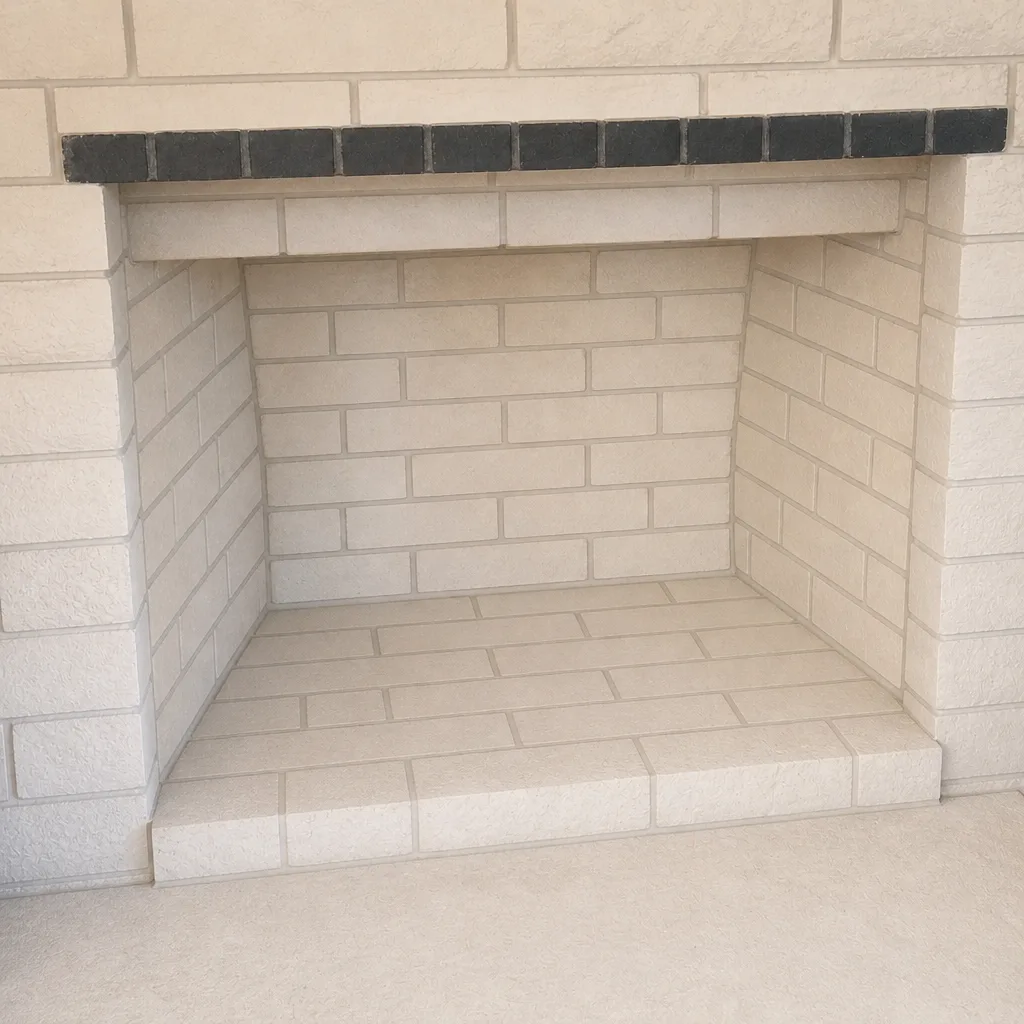 After
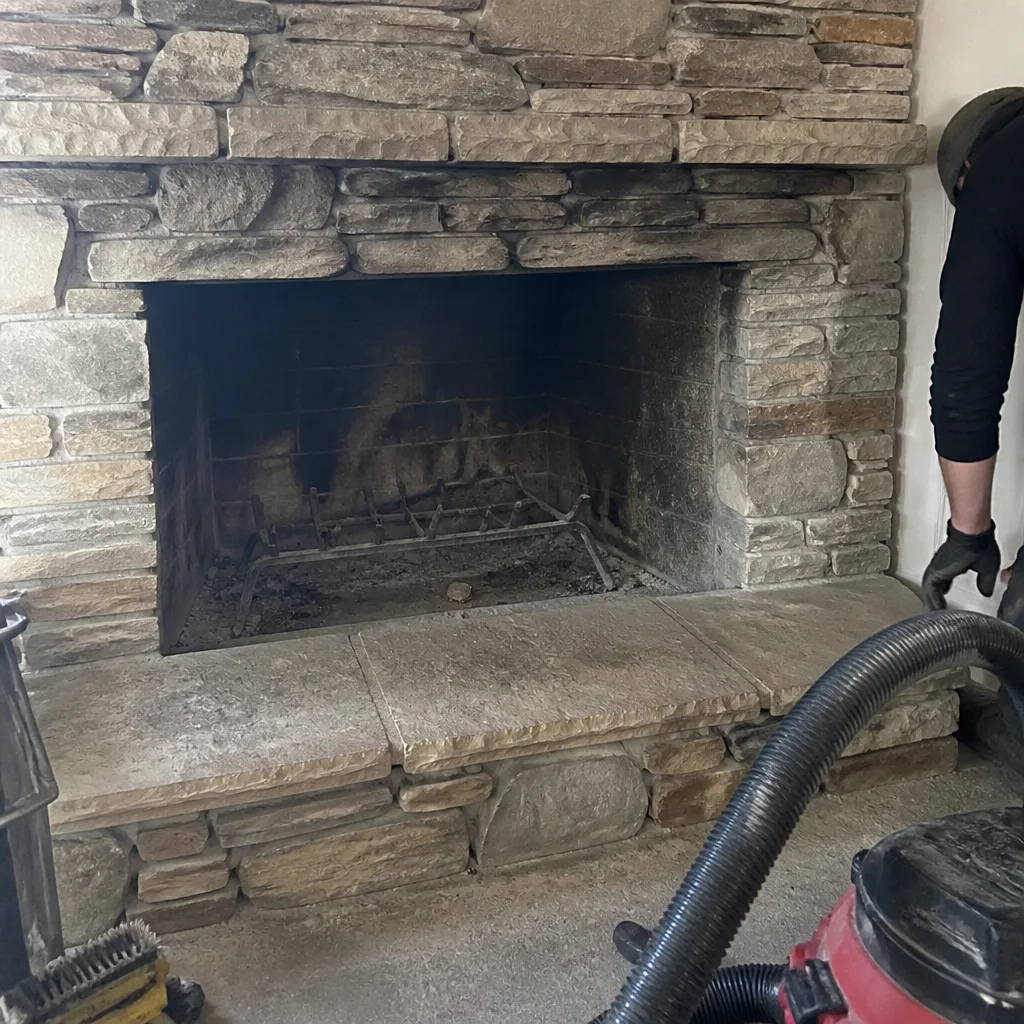 Before
 After
 Before
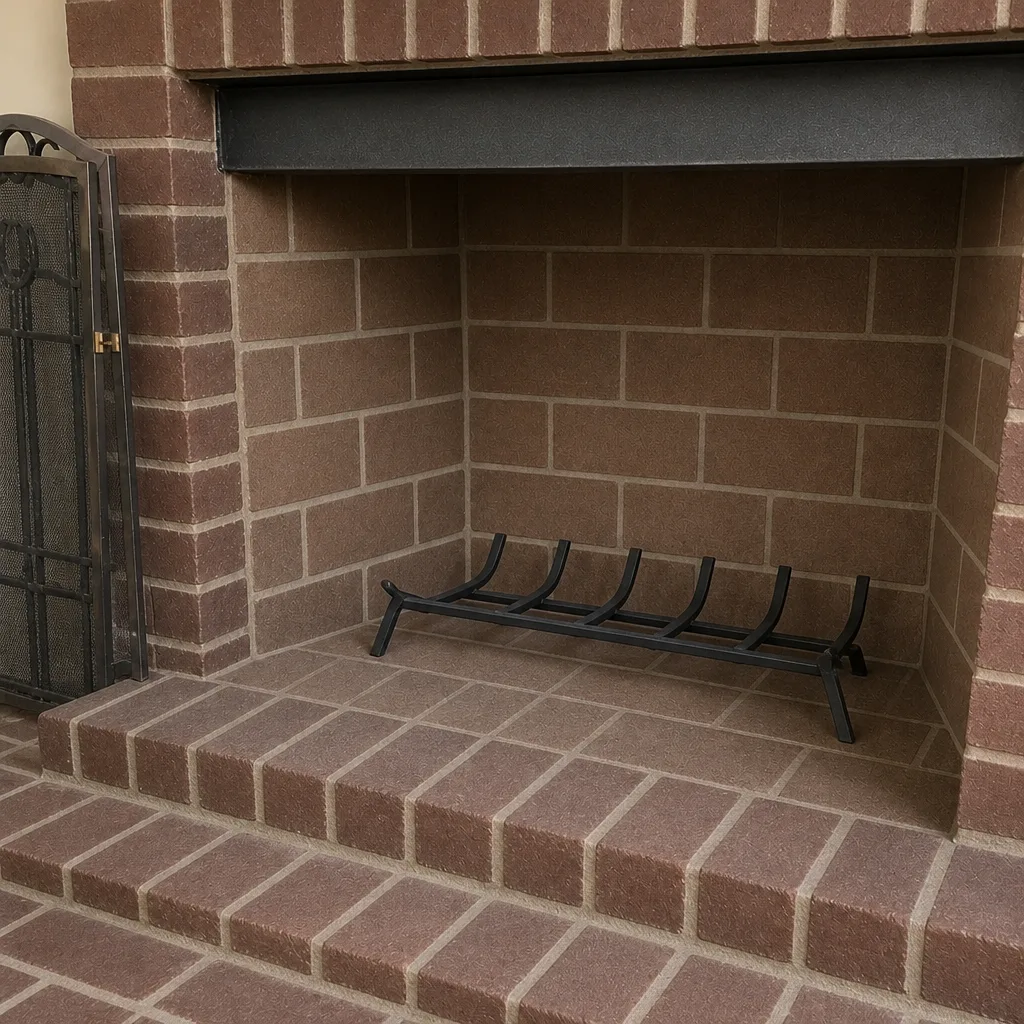 After
When to Call a Professional
Call for a professional inspection when it’s been more than a year since your last service, when you’re buying or selling a home in the area, after any storm that might have shifted or damaged the chimney, or when you notice any of the signs above. Call immediately, before lighting another fire, if you smell gas, see obvious damage to the flue, or a fire has failed to draft properly. And call when you’re simply not sure – a professional inspection is cheaper than a repair, and much cheaper than a problem that goes undetected for years. Our technicians have up to 10 years of experience and can walk you through what they find, from the firebox to the crown. Chimney Sweep Granada Hills offers free estimates in Granada Hills – call (855) 774-3956. We answer 24/7, with fast dispatch from 7am to 7pm, Sunday through Friday.
Frequently Asked Questions
Once a year for most wood-burning homes, and that sweeping should happen in spring rather than fall so you catch wildlife nesting and moisture problems before they settle in. If you burn more than about a cord of wood per season, or 100+ fires, plan on twice a year. Gas fireplaces are inspected annually even though there’s nothing to sweep. Call (855) 774-3956 for an exact quote – estimates are free.
Yes, and arguably more than someone who burns regularly. A rarely used chimney sits dark and sheltered for most of the year, which makes it prime real estate for wildlife and lets passive moisture damage go unnoticed. Low fire count is not the same as low risk. Call (855) 774-3956 to get an inspection booked – estimates are free.
Spring lines up with the end of Granada Hills’s wildlife-nesting season and the start of the dry season, so an April inspection catches nests and winter damage, and leaves the whole summer for any repair. Fall puts you in a queue and compresses the repair window. Call (855) 774-3956 to schedule a spring visit – estimates are free.
Every 5 to 7 years is a solid working interval for exposed masonry. The exact timing depends on the condition of the masonry and how well the previous treatment is still shedding water. Waterproofing has to be done on a clean, sound surface, and the cap and crown need to be in good shape first or the coating won’t help. Call (855) 774-3956 for a free estimate.
Just inspected – there’s no creosote or soot to sweep in a gas unit. The annual inspection covers the burner, venting, glass and gaskets, ceramic logs, and the safety shutoff, all of which wear over time. A blocked vent in a gas unit is a genuine carbon monoxide risk, so it’s not a service to skip. Call (855) 774-3956 – estimates are free.
At best, nothing. At worst, a nest or debris blocks the flue, or water damage quietly weakens mortar until a repair becomes necessary. Real safety concerns are genuine – chimney fires and carbon monoxide are real risks – but for most Granada Hills homeowners the realistic cost of skipping is a repair that could have been prevented. The honest way to know is an inspection. Call (855) 774-3956 – estimates are free.
The Bottom Line
The annual sweep is the floor, not the ceiling. Build your schedule around spring inspection, a lightweight fall check, and the burn-frequency thresholds above. Count your fires, don’t guess at them. Don’t forget the waterproofing cycle, which protects the masonry over years, not weeks. And don’t assume a gas fireplace is exempt from maintenance – it just needs a different checklist. A chimney is a simple structure with a few high-stakes parts. When you keep up with the schedule, you’re not chasing problems. You’re preventing them, from the firebox to the crown. For fireplace repair or a full inspection, we’re one call away – and the estimate is free.
Call (855) 774-3956 for a free estimate. We answer 24/7. Fast dispatch from 7am to 7pm, Sunday through Friday. Start with a Chimney Sweep Granada Hills inspection and let the findings guide the work – we inspect before we recommend, and nothing gets done that you haven’t seen the evidence for.
Written by the team at Chimney Sweep Granada Hills.