
Last updated November 22, 2026
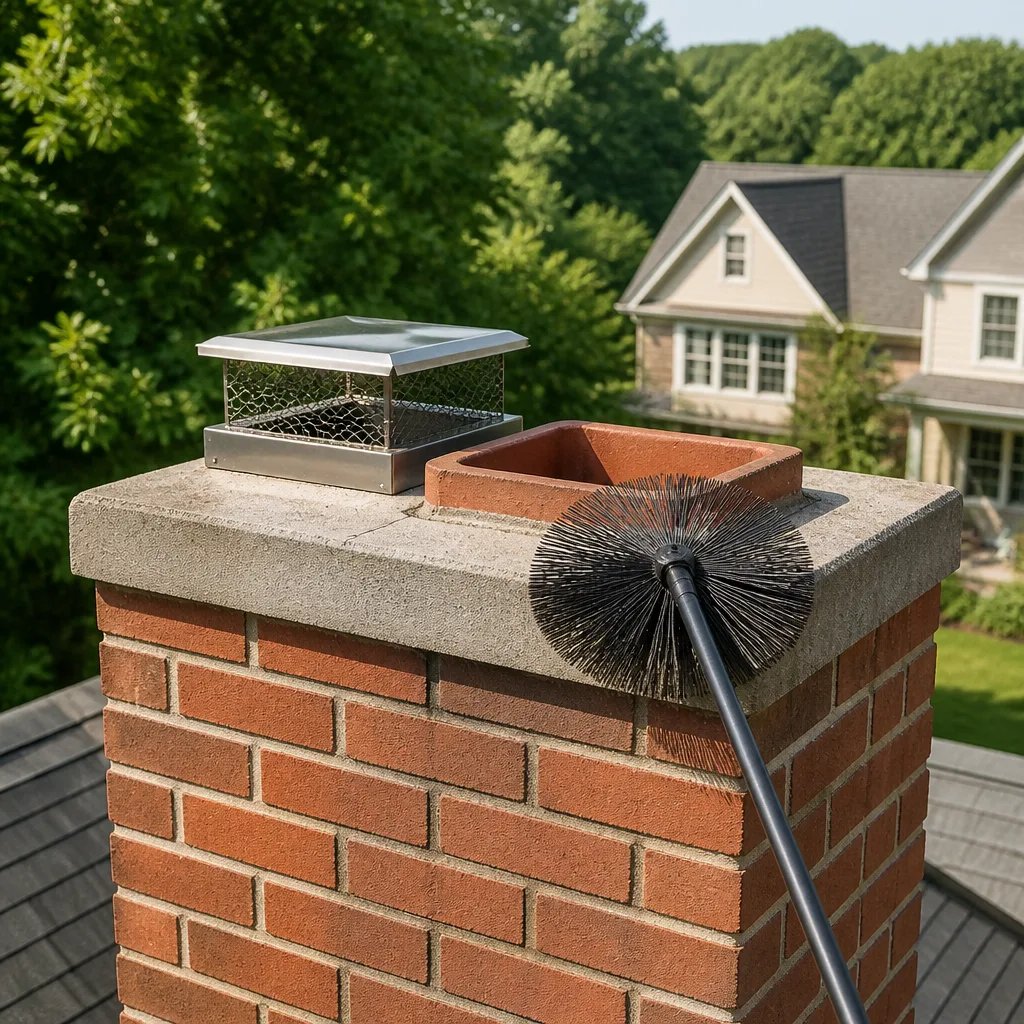 Sweep & inspection
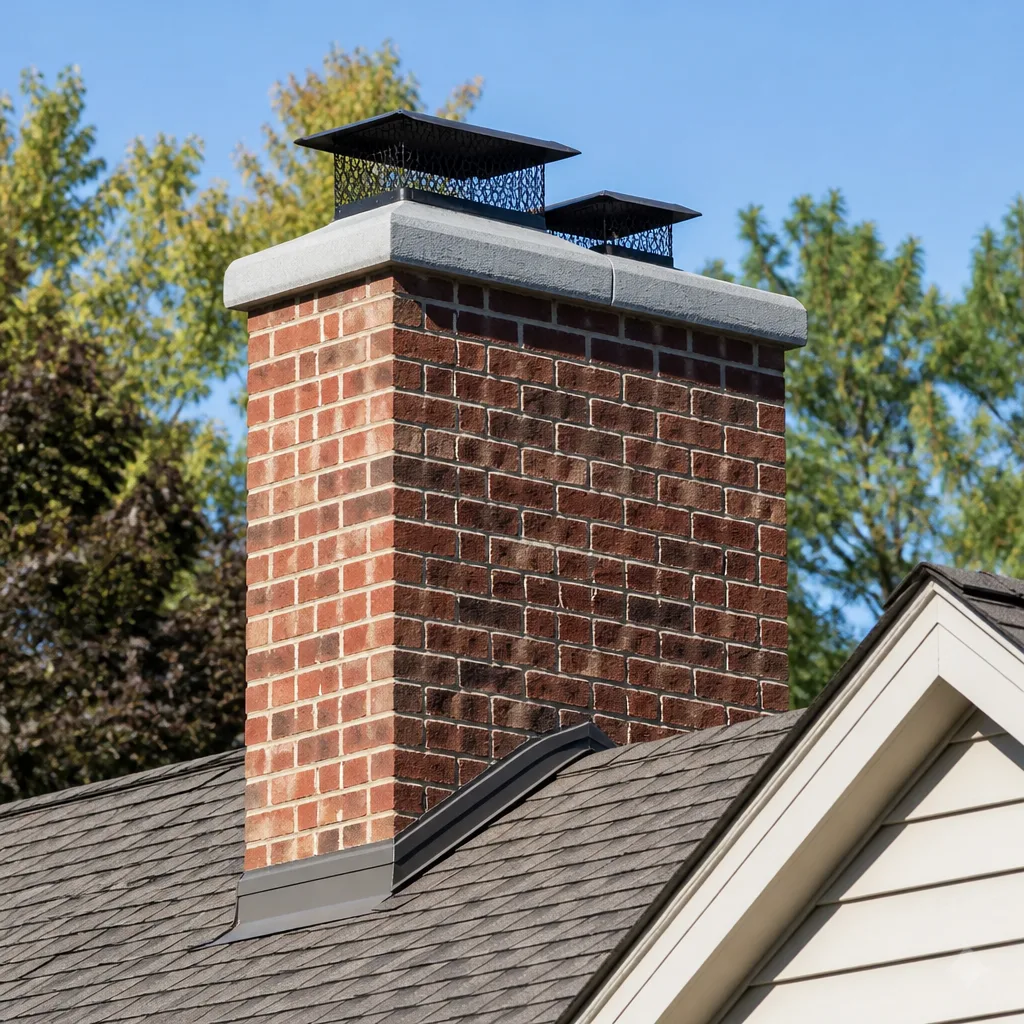 Caps & crowns
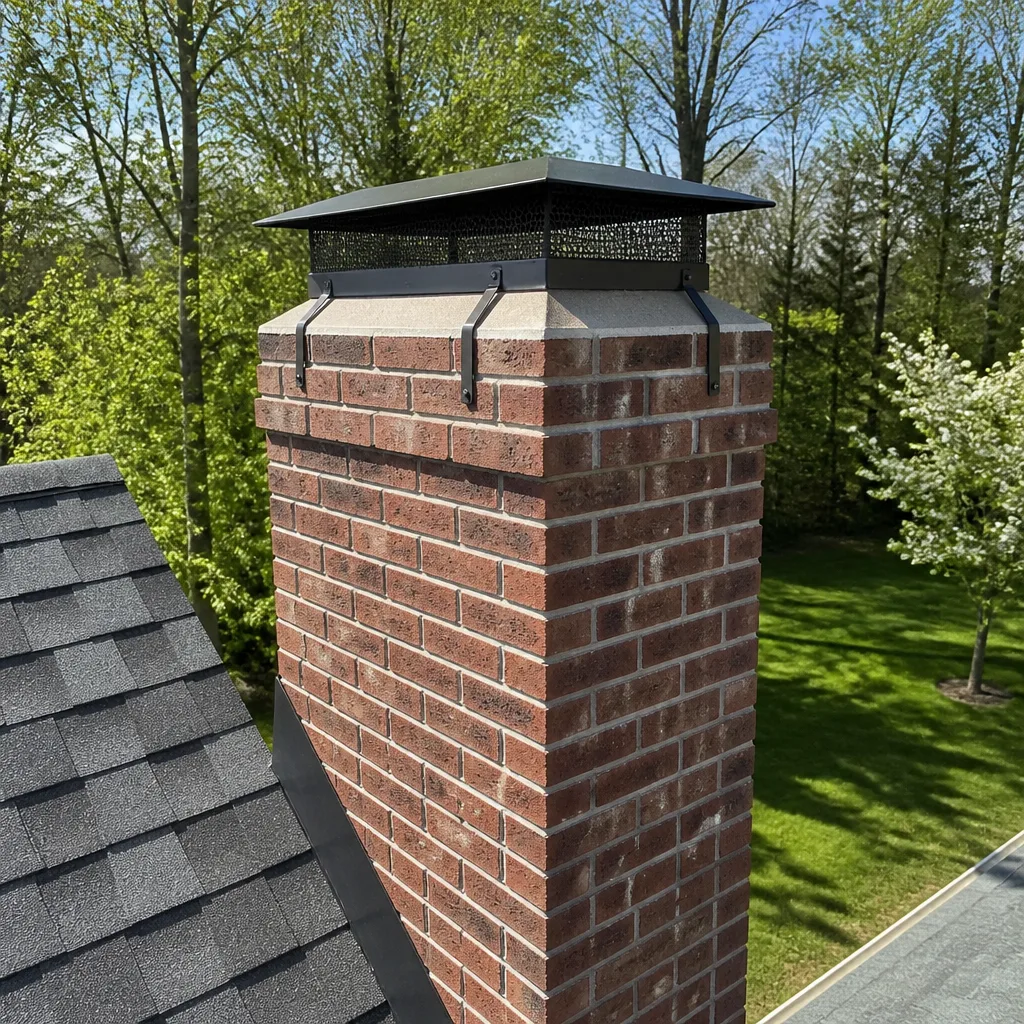 Flue relining
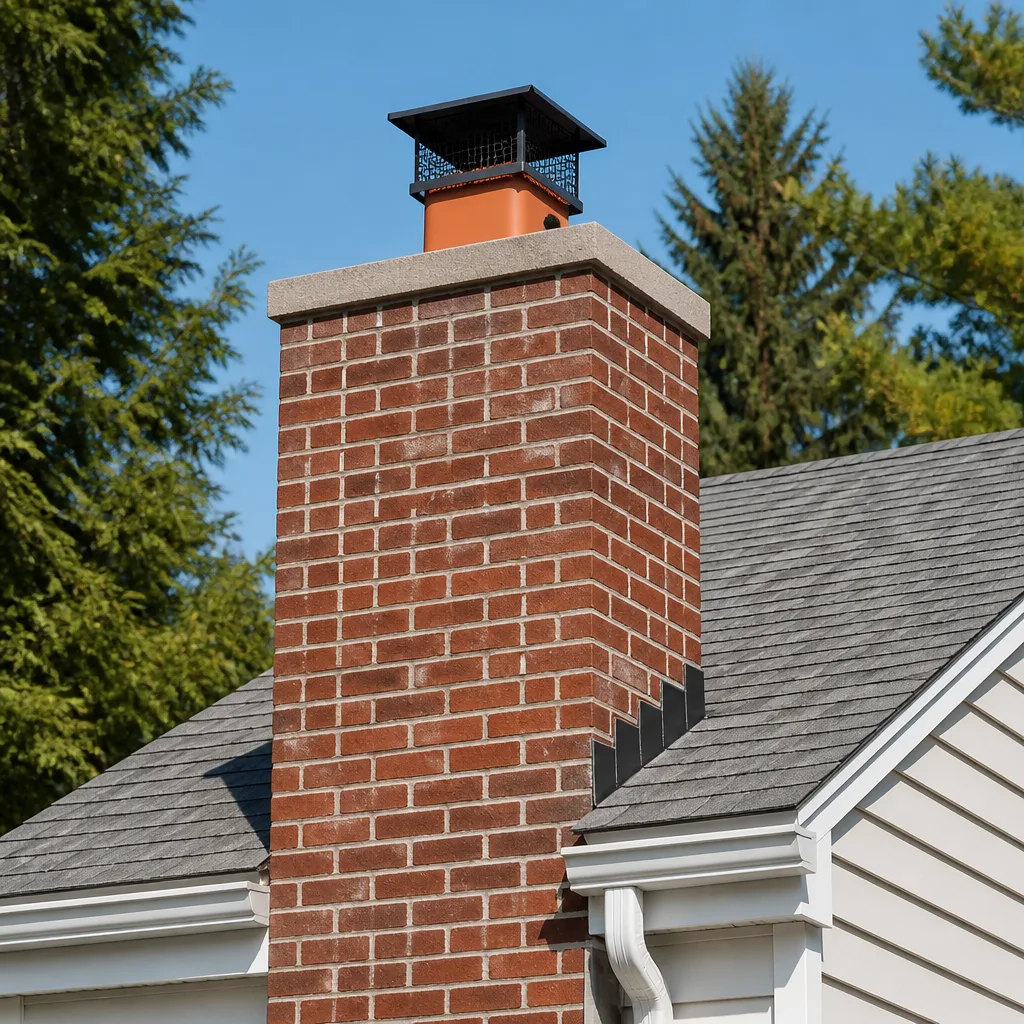 Masonry repair
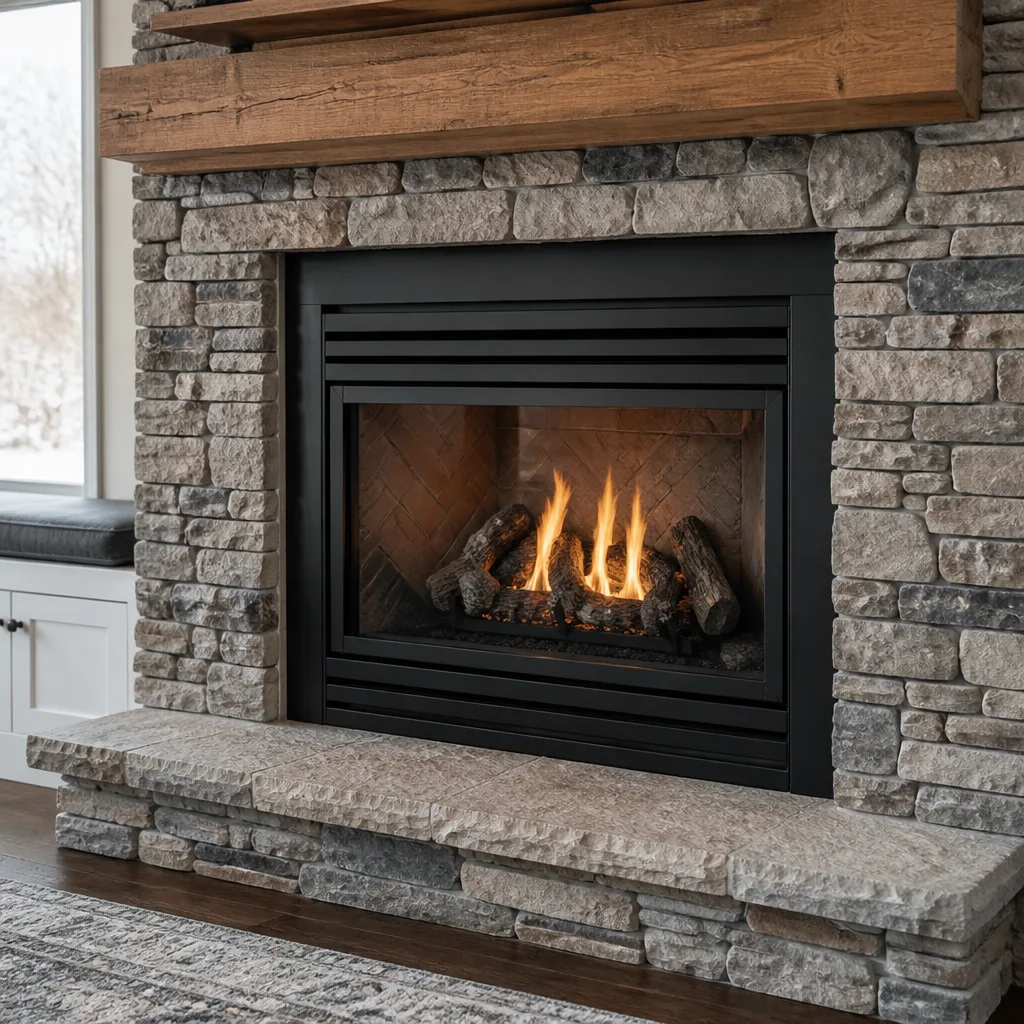 Gas fireplace service
Level 1 sweep and inspection to the NFPA 211 annual standard - flue, crown, cap, and flashing checked and photographed
Chimney sweep logs do not sweep chimneys. They loosen some creosote - which then falls where a brush and vacuum still have to collect it.
Chimney Cleaning Permits, Codes & Inspections in Granada Hills, CA: What You Need to Know
Here’s the part that surprises most Granada Hills homeowners: the sweep itself usually needs no permit at all, but the repair it uncovers often does. A technician can run a brush down your flue without filing a single form with the city. The moment the conversation turns to a new liner, a rebuilt firebox, or a chase cover replacement, California and LA County code enter the room. Most people don’t know where that line sits, and some contractors don’t volunteer it. This guide draws the line clearly: what’s cleaning, what’s repair, what’s replacement, which inspections you actually need, and what paperwork to keep when the job is done.
Quick Answer
Routine chimney cleaning in Granada Hills requires no building permit, but any work that alters the firebox, flue liner, chimney structure, or damper assembly generally does require a permit from the Los Angeles Department of Building and Safety, and the work must meet California code and NFPA 211 standards. Inspections are separate from permits: a Level 1 inspection comes with routine service, while Level 2 and Level 3 inspections are for real estate transactions, changes to the system, or after a chimney fire or earthquake.
Styles & brands we work with
- Sweep & inspection
- Caps & crowns
- Flue relining
- Masonry repair
- Gas fireplace service
Table of Contents
- Where the Permit Line Falls in Granada Hills
- What LA County Building Code Requires for Chimney Work
- How California’s Title 24 Touches Dampers and Chase Covers
- NFPA 211 and the Inspection Levels Explained
- Who the Authority Having Jurisdiction Is in LA County
- Why Unpermitted Chimney Work Can Hurt Your Insurance Claim
- The Paperwork to Keep After Any Chimney Job
- Granada Hills Climate and What It Means for Your Chimney
Where the Permit Line Falls in Granada Hills
In Granada Hills, the boundary between “no permit needed” and “permit required” comes down to one question: does the work change the chimney system or just clean it? Sweeping removes creosote and soot from an unchanged flue. That’s maintenance, and no permit applies. Everything that touches structure or changes how the system vents is different.
Here’s how that breaks down in practice:
- No permit typically required: sweeping the flue, a standard inspection, installing or replacing a chimney cap, removing a bird nest or debris blockage, minor firebox mortar touch-ups that don’t change dimensions.
- Permit generally required: relining the flue, replacing a firebox or firebox surround, rebuilding the chimney crown, structural masonry repair, changing the damper or flue configuration, and any work that alters the chimney’s height or footprint.
A liner replacement is the most common example. When a technician recommends a new liner, ask two questions before agreeing: does this require a permit, and who is pulling it? A reputable contractor will answer both without hesitation. A contractor who says permits aren’t needed for a reline is telling you something about how they work, and it’s worth paying attention to.
Granada Hills has a lot of mid-century homes where the original clay tile liner has aged out. That’s repair territory, not cleaning territory, and the permit conversation should happen before any material is ordered.
What LA County Building Code Requires for Chimney Work
Los Angeles County applies the California Building Code and California Residential Code, which reference national chimney standards and set clear expectations for how a chimney venting a solid-fuel appliance must be built. In practical terms, a permitted chimney repair has to be inspected at defined stages, not just at the end.
When a permit is pulled for chimney work in Granada Hills, expect an inspection sequence along these lines:
- Pre-inspection: the existing condition is documented before demolition or removal begins.
- Rough-in inspection: new liner material, flue connections, and structural framing are checked before they’re closed in.
- Final inspection: the completed assembly is checked for clearances, termination height, and proper venting.
What code is really protecting is clearance to combustible material and correct venting. A flue liner isn’t decorative; it’s the barrier between hot gases and the wood framing of your house. When a liner degrades, that barrier weakens, and the fix is a code matter, not a cosmetic one.
We inspect before we recommend, because the difference between “your liner needs resurfacing” and “your liner needs full replacement” is a code question as much as an engineering one. HeatShield resurfacing restores a deteriorated but structurally sound liner; a cracked or displaced liner that no longer holds its shape calls for replacement with something like a DuraFlex system. Those are different permits, different scopes, and different conversations with the building department.
If a contractor hands you a quote for a firebox rebuild or liner job with no permit mention, ask directly. In our experience, the answer tells you whether the work will stand up when it matters.
How California’s Title 24 Touches Dampers and Chase Covers
Title 24 is California’s energy code, and it reaches into places homeowners don’t expect. When a chimney is rebuilt, relined, or its top assembly is replaced, the components that control air leakage and heat loss become part of the permitting picture.
Two elements come up most often: the damper and the chase cover.
- Dampers: a fireplace damper is a direct opening between your living space and the outdoors. Replacing a damper during a permitted repair means the new unit should meet current requirements for closing off that opening when the fireplace isn’t in use.
- Chase covers: for prefabricated or factory-built fireplaces with a chase, the top cover seals the chase against water and air intrusion. A proper replacement meets the manufacturer’s specification and the energy code’s air-sealing intent.
This is one more reason to work with a specialist rather than a generalist. A chimney professional who installs Olympia Chimney dampers and components knows how to match the replacement to the original appliance and meet the code at the same time. A handyman swapping out a damper to stop a draft may solve the draft and miss the code entirely.
Title 24 also matters at resale. An inspector reviewing a Granada Hills home can ask for documentation on any recent energy-related component change. A dated, photographed record answers that question quickly.
NFPA 211 and the Inspection Levels Explained
NFPA 211 is the national standard for chimneys, fireplaces, vents, and solid fuel-burning appliances, and it defines three inspection levels. Knowing which one you need saves money and gets you the right answer.
Level 1 inspection. This is the standard inspection that comes with routine service. It covers readily accessible portions of the chimney and its connections. If you burn regularly and nothing has changed, this is what you need each season.
Level 2 inspection. This is required when the system changes or a property changes hands. It includes a video scan of the flue interior. In Granada Hills, that means:
- Buying or selling a home with a fireplace.
- After a chimney fire, even a small one.
- After an earthquake or significant storm event that could have shifted or cracked the system.
- When changing the appliance or fuel type.
- When a Level 1 inspection turns up a concern that needs a closer look.
Level 3 inspection. This is the most involved and only happens when a serious hazard is suspected in concealed areas. It may involve removing parts of the chimney or surrounding structure to see what’s hidden.
Most homeowners in Granada Hills need a Level 1 as part of annual service. A Level 2 is a standalone service worth booking for a real estate transaction or a peace-of-mind check, and it’s offered as its own service rather than a tacked-on upsell. If you’re buying a Granada Hills home and the seller can’t produce inspection documentation, a Level 2 before you close is a reasonable ask.
Who the Authority Having Jurisdiction Is in LA County
The Authority Having Jurisdiction (AHJ) is the local body that reviews and approves permitted work, and in Granada Hills that authority is the Los Angeles Department of Building and Safety. The AHJ applies the code and signs off on inspections, and it’s the office that ultimately decides whether a permitted chimney repair is complete.
Why this matters to a homeowner:
- The AHJ holds the record. A permit creates a paper trail tied to your address that survives the contractor and outlasts your memory of the job.
- Inspections are scheduled through the AHJ. If a contractor is managing a permitted job, they schedule the inspection with the department and should tell you when it’s complete.
- Local application can vary. The same code applied by two different departments can require slightly different documentation or sequence, which is why working with a specialist familiar with the Granada Hills process matters.
When work is permitted and inspected, the record at the AHJ is what a future buyer’s inspector, your insurer, or a subsequent contractor can pull. That record is worth more than any verbal assurance that the work was done correctly.
If you’re ever unsure whether a prior repair on your Granada Hills home was permitted, a records search at the department can tell you. A standalone inspection can also tell you whether the work holds up, whether or not a permit was pulled.
Why Unpermitted Chimney Work Can Hurt Your Insurance Claim
This is where the permit conversation stops being bureaucratic and becomes financial. After a chimney-related fire or a water intrusion claim, an insurer’s adjuster will look at what happened and ask whether the work involved was permitted and inspected. Unpermitted structural work gives an insurer a reason to dispute coverage.
Consider the sequence. A chimney fire damages the surrounding structure. The insurer investigates and finds a recent, substantial repair to the liner or firebox with no permit and no inspection on record. The adjuster can reasonably question whether the work itself caused or contributed to the damage, and that question can slow or complicate the claim.
Water damage works the same way. If a rebuilt crown or a new chase cover was installed without a permit and water finds its way in, the insurer may question whether the installation met code. A permitted, inspected job answers that question before it’s asked.
The takeaway is simple: when work is permitted and inspected, you have documentation the insurer accepts. When it isn’t, you’re relying on a contractor’s word in a situation where a formal record carries more weight. In our experience, that’s one of the strongest reasons to ask the permit question upfront, before any work starts.
The Paperwork to Keep After Any Chimney Job
What you keep on file after chimney work is what protects you later. Whether the job was a simple sweep or a permitted reline, a short, organized file pays off at resale, at claim time, and when the next technician comes to assess the system.
Keep these records, whether the job was permitted or not:
- The invoice with date, scope of work, and materials used.
- Photographs of before and after, particularly of the liner, crown, and firebox.
- The inspection report, which for a Level 2 includes video footage if you requested it.
- The permit number and inspection record if a permit was pulled, along with the AHJ’s approval status.
- Manufacturer documentation for materials installed, like a DuraFlex liner system or HeatShield resurfacing, so the next technician knows what’s in the flue.
- Any written recommendation for future follow-up, dated and signed by the contractor.
Two photos and a one-page file are enough for a routine sweep. A permitted repair should generate more, and a professional scope of work naturally produces that paperwork. If a contractor leaves no records behind, that’s a gap worth noting. A dedicated chimney specialist produces documentation as a matter of course, which is part of why we keep detailed records on every job, permitted or not.
Granada Hills Climate and What It Means for Your Chimney
Granada Hills winters are mild, but the fireplace season is real, and the local climate shapes how the chimney performs. Long stretches of warm, dry weather followed by cool nights mean a lot of on-and-off burning, which can leave the flue cycling between hot and cool more often than a colder climate would.
What that means in practical terms:
- Creosote builds in thin layers. Irregular burning can leave a glaze that’s harder to remove, which is one reason routine sweeping matters even in a mild climate.
- Water intrusion is the top cause of chimney damage here. A faulty crown or missing cap lets rain in, and once the masonry stays wet, repairs get expensive. A proper chimney cap & crown addresses the root cause before it becomes structural.
- Seismic shifts are a real concern. Granada Hills sits in an active region, and a quake can crack a crown or shift masonry without obvious signs. A post-event Level 2 inspection is sensible after a notable tremor.
The dry, warm stretches are also when inspection is easiest. Sundown arrives later and the flue dries out between uses. That makes spring and early summer a natural time to schedule a chimney sweep before the burning season starts.
Common Mistakes to Avoid
- Assuming no permit is needed for a liner job. A reline is a permit-scale repair, and a contractor who doesn’t mention permits is a red flag. Ask before you sign.
- Skipping the inspection because the sweep seemed fine. Sweeping and inspecting are different services. A clean flue can still hide a cracked liner that only a Level 2 video scan will reveal.
- Not asking whether the contractor is working to NFPA 211. The standard exists to protect you. A professional will know it by name and follow its inspection levels.
- Letting a firebox rebuild proceed without verifying the permit. Firebox work is structural and is a common trigger for permit requirements. Confirm the permit is pulled and inspected.
- Discarding paperwork after a repair. Keep the invoice, permit number, and photos. They’re what you’ll need if you sell or file a claim.
- Ignoring a damaged crown during the dry season. Granada Hills gets rain in winter, and a cracked crown lets water in all season. Fix it in the dry months, not after the damage is done.
- Hiring a general handyman for chimney repair. Chimney work touches structural and code elements a generalist may not be equipped for. A dedicated fireplace repair specialist knows the code and the inspection requirements.
See the difference
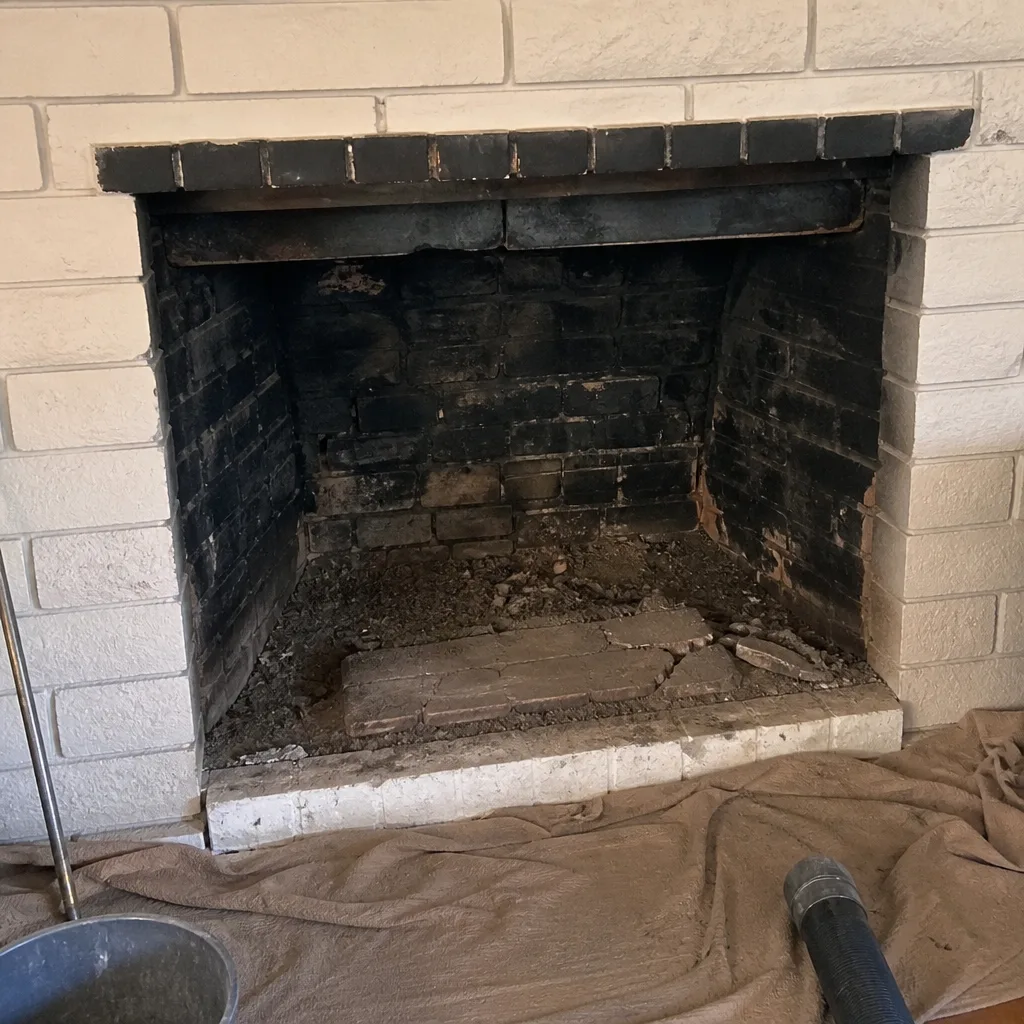 Before
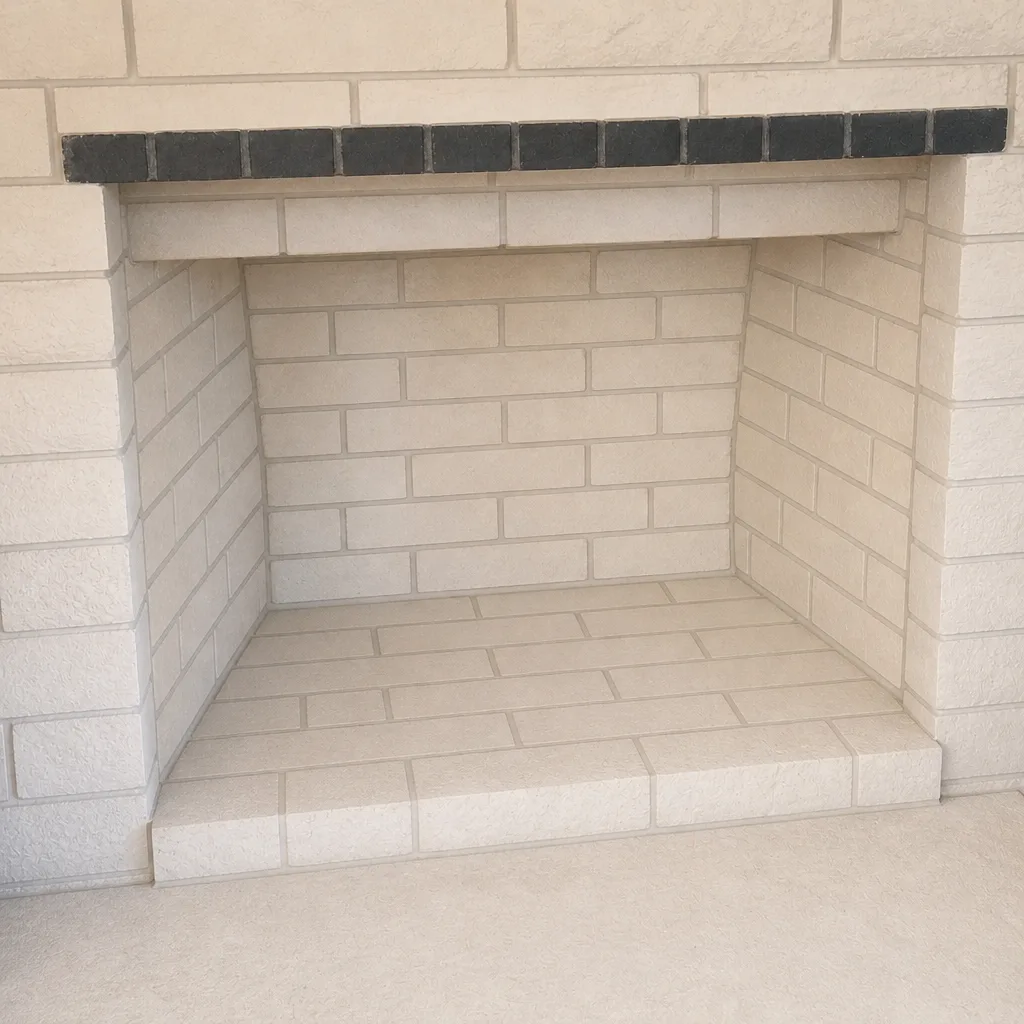 After
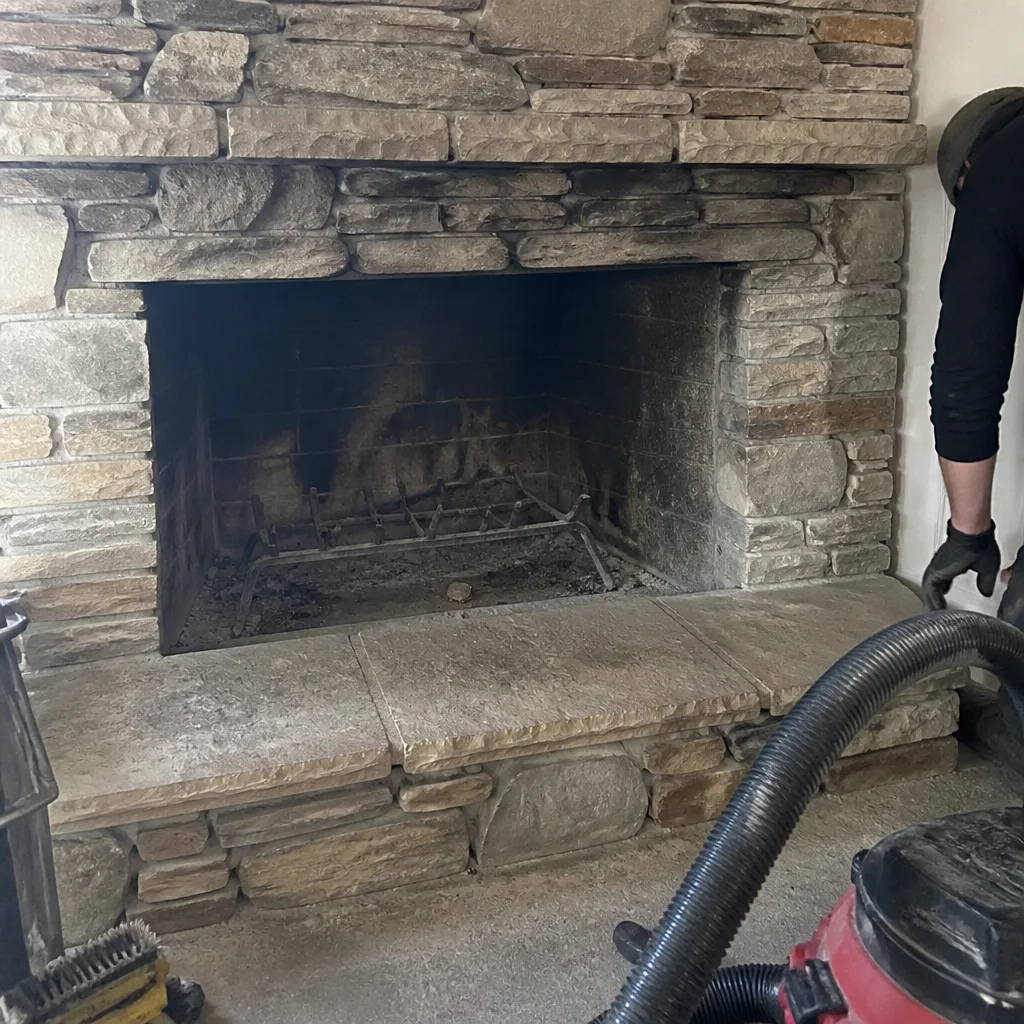 Before
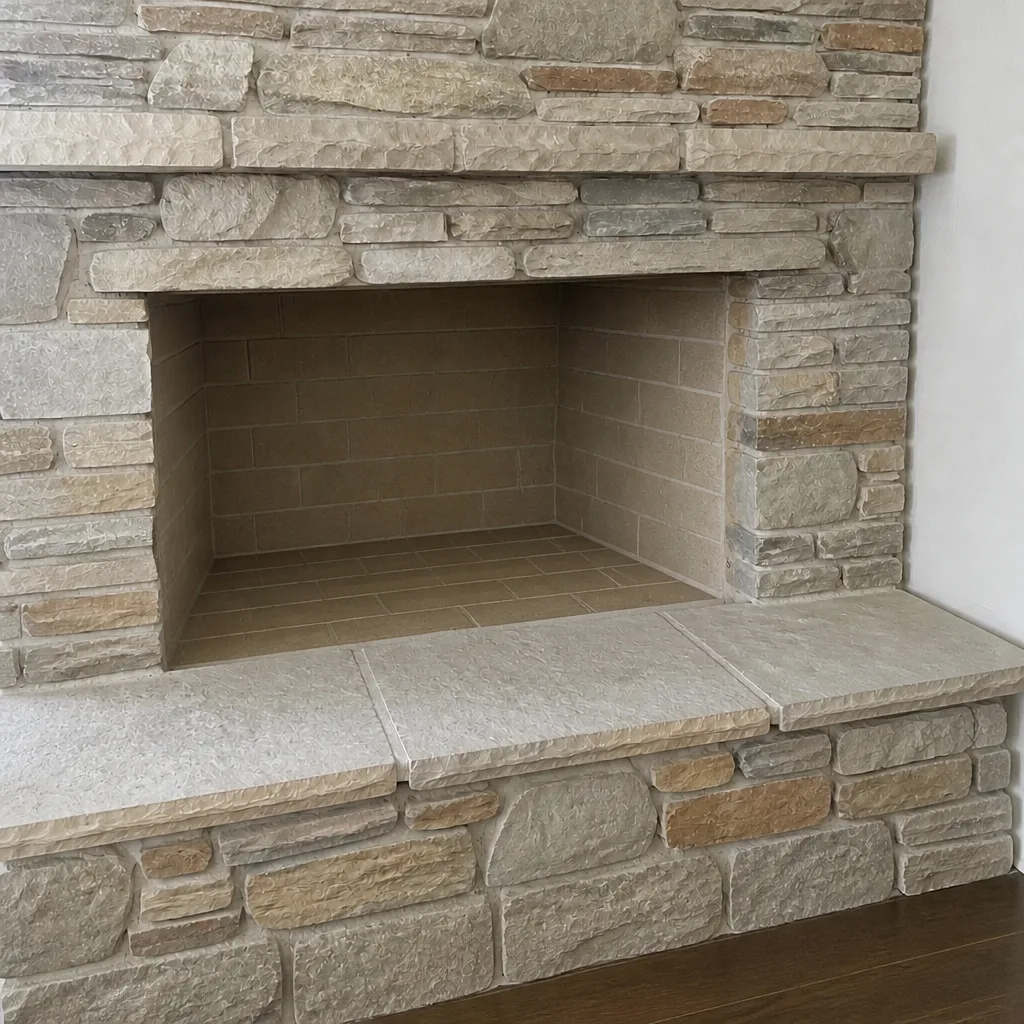 After
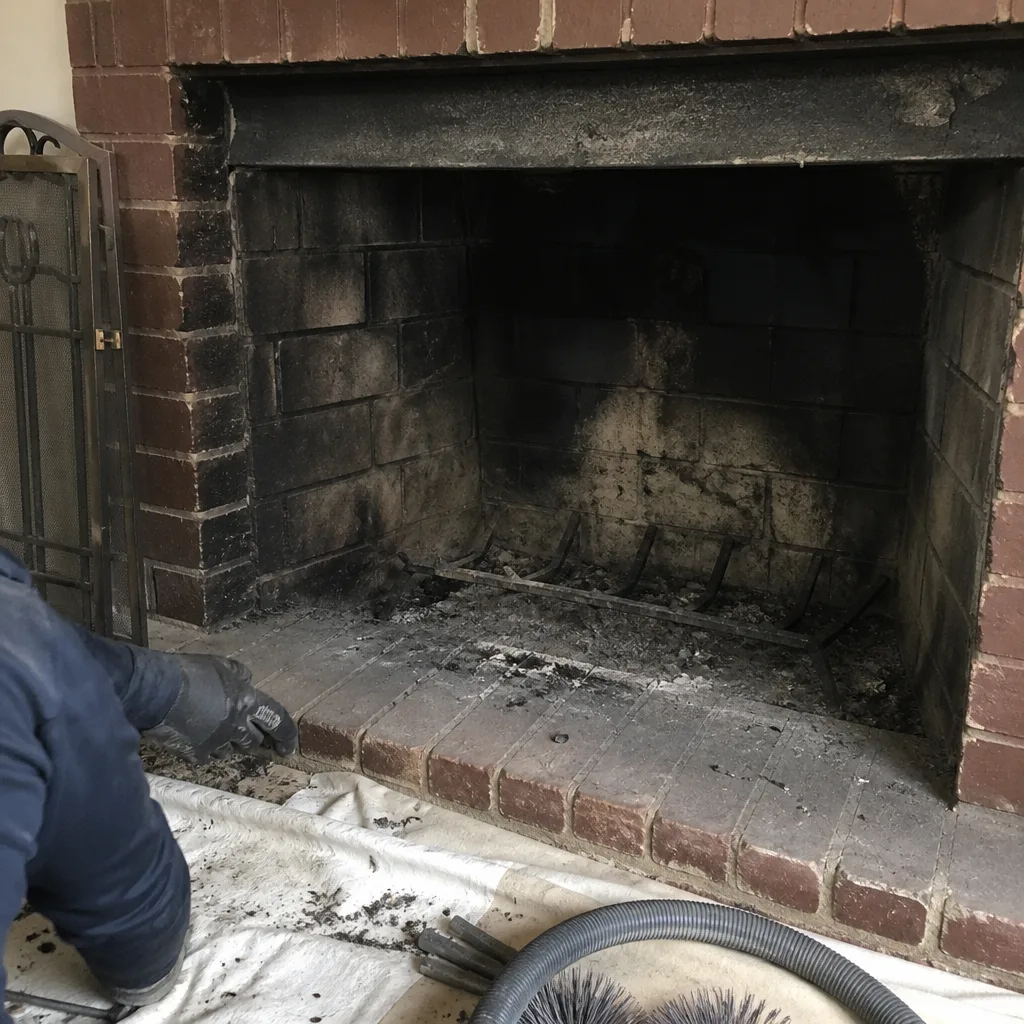 Before
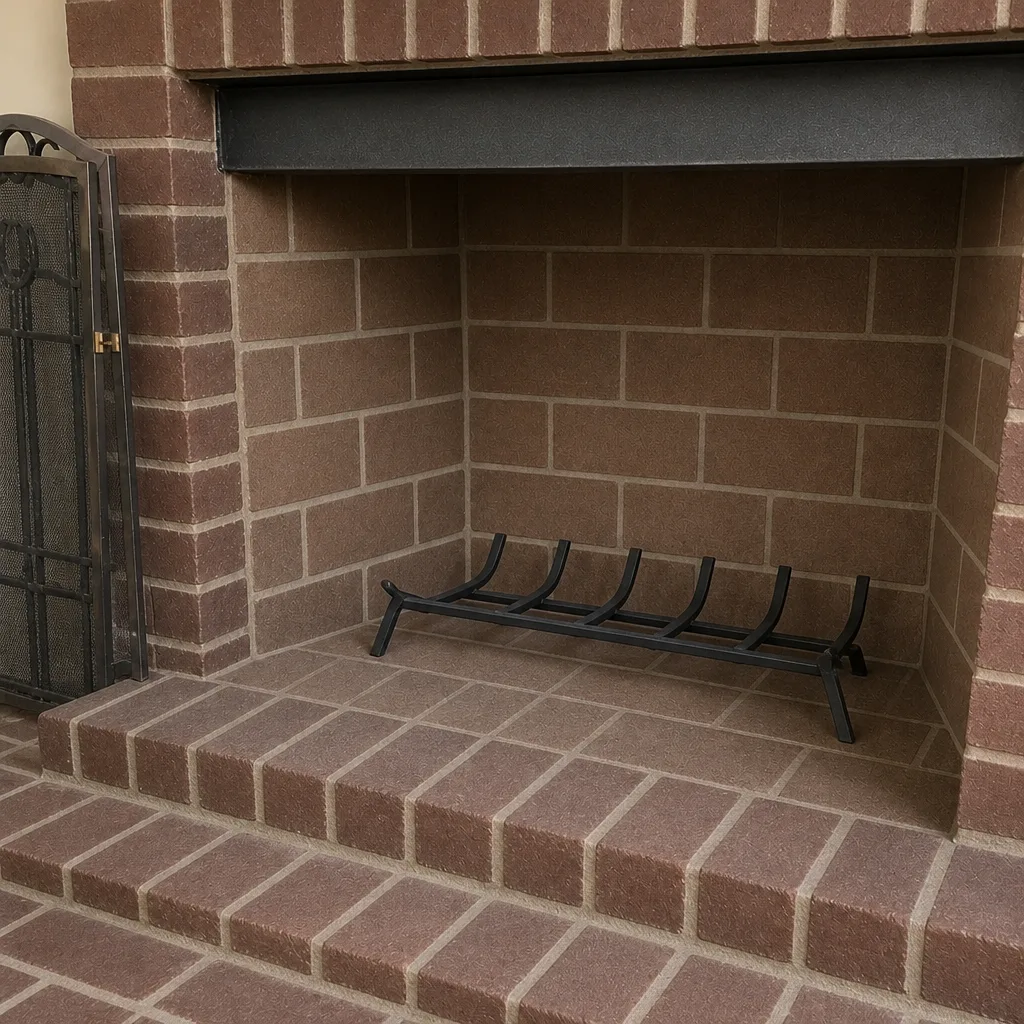 After
When to Call a Professional
Call when the work crosses from cleaning into anything structural, and call when you’re unsure which side of that line you’re on. Specific situations that warrant a professional call in Granada Hills:
- A contractor recommends a liner replacement, firebox rebuild, or crown repair and hasn’t mentioned permits.
- You’re buying or selling a Granada Hills home and there’s no recent inspection on file.
- The chimney has been through a chimney fire, a notable earthquake, or a storm that may have shifted the system.
- You notice water staining, a cracked crown, or a missing cap and want to know whether damage has started.
- It’s been a while since the last sweep and you want a Level 1 inspection alongside routine cleaning.
Chimney Sweep Granada Hills offers free estimates in Granada Hills. Call (855) 774-3956 to schedule a professional assessment and get a written estimate before any work begins.
Frequently Asked Questions
No. Routine chimney cleaning in Granada Hills requires no permit because sweeping doesn’t change the chimney system. A permit becomes necessary only when the work alters the firebox, flue liner, structure, or damper assembly, which is when you should ask the contractor who’s pulling the permit and how it will be inspected.
Yes, replacing a chimney liner generally requires a permit from the Los Angeles Department of Building and Safety, because a reline changes the chimney system and must be inspected. The local pro is licensed and insured as California requires, and any permitting contractor should be able to tell you the sequence before work starts. Call (855) 774-3956 with questions about your specific job.
Cleaning removes creosote and soot; an inspection assesses the condition of the system. A Level 1 inspection comes with routine service and covers accessible portions, a Level 2 adds a video scan of the flue interior and is used for real estate transactions, post-storm checks, and after a chimney fire, and a Level 3 inspects concealed areas when a serious hazard is suspected. A standalone inspection is available even if you don’t buy a cleaning package.
You can check the permit and inspection record with the Los Angeles Department of Building and Safety, the AHJ for Granada Hills. If no record exists, a standalone inspection can assess whether the work holds up and whether it meets code. We inspect before we recommend, so we won’t suggest repairs without showing you what the inspection found.
It can. After a fire or water damage claim, an insurer’s adjuster may question coverage if a substantial repair was done without a permit or inspection. Permitted, inspected work produces a record the insurer can rely on, which is one of the strongest reasons to confirm the permit status before any structural chimney work begins.
Keep the invoice with date and scope, before-and-after photos, any inspection report or video scan, the permit number and inspection record if applicable, and manufacturer documentation for materials installed, such as HeatShield or Gelco products. These records help at resale and at claim time, and they tell the next technician exactly what’s in the flue.
The Bottom Line
The permit question isn’t red tape; it’s the difference between documented, code-compliant work and a liability sitting in your home. Cleaning needs no permit. Repairs, relining, and structural work do, and the AHJ in Granada Hills is the LA Department of Building and Safety. NFPA 211 governs the inspections, Title 24 reaches the damper and chase cover, and the paperwork you keep protects you at resale and at claim time. A dedicated chimney specialist handles all of it under one call, from the firebox to the crown, using industry-trusted materials like DuraFlex, HeatShield, and Olympia Chimney components. We inspect before we recommend, so you’re never guessing what needs fixing.
Call (855) 774-3956 for a free estimate. We answer 24/7, and fast dispatch from 7am to 7pm, Sunday through Friday.
Written by the team at Chimney Sweep Granada Hills.