
Last updated November 22, 2026
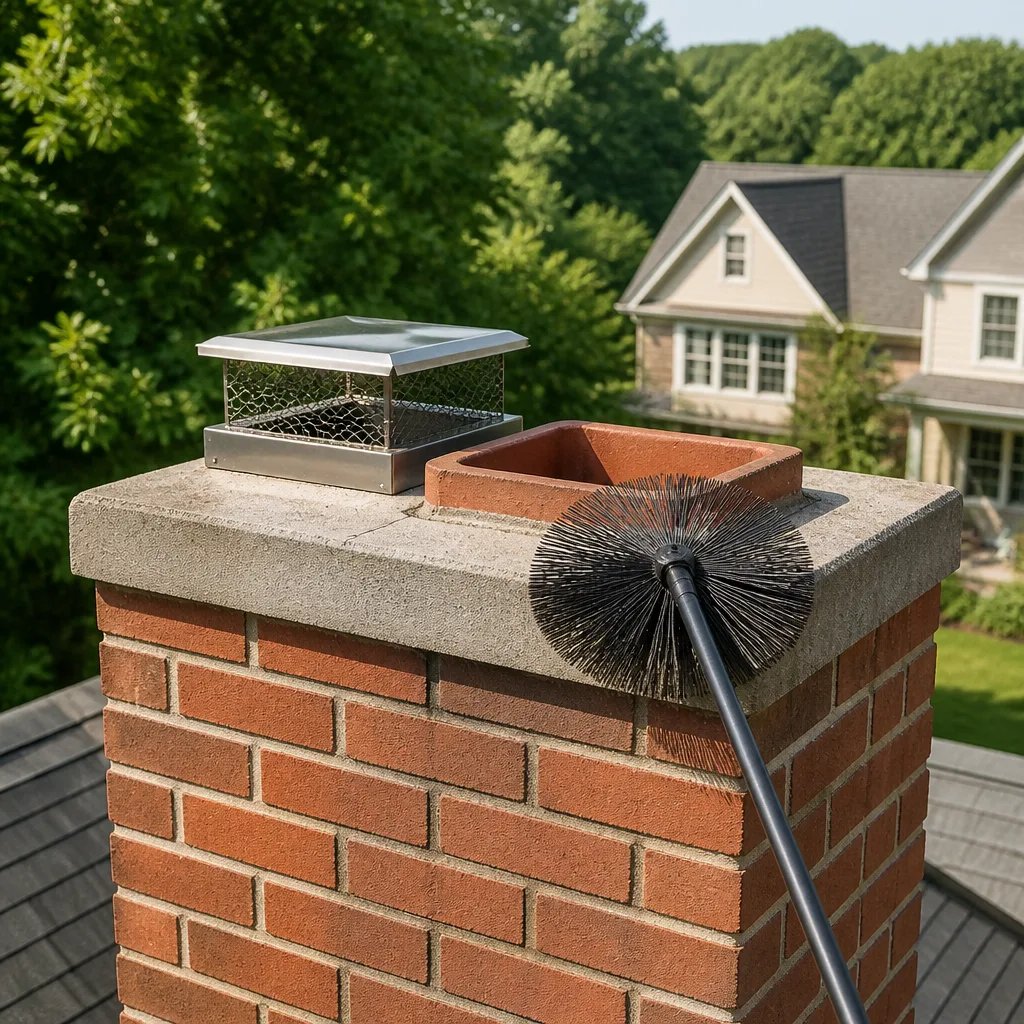 Sweep & inspection
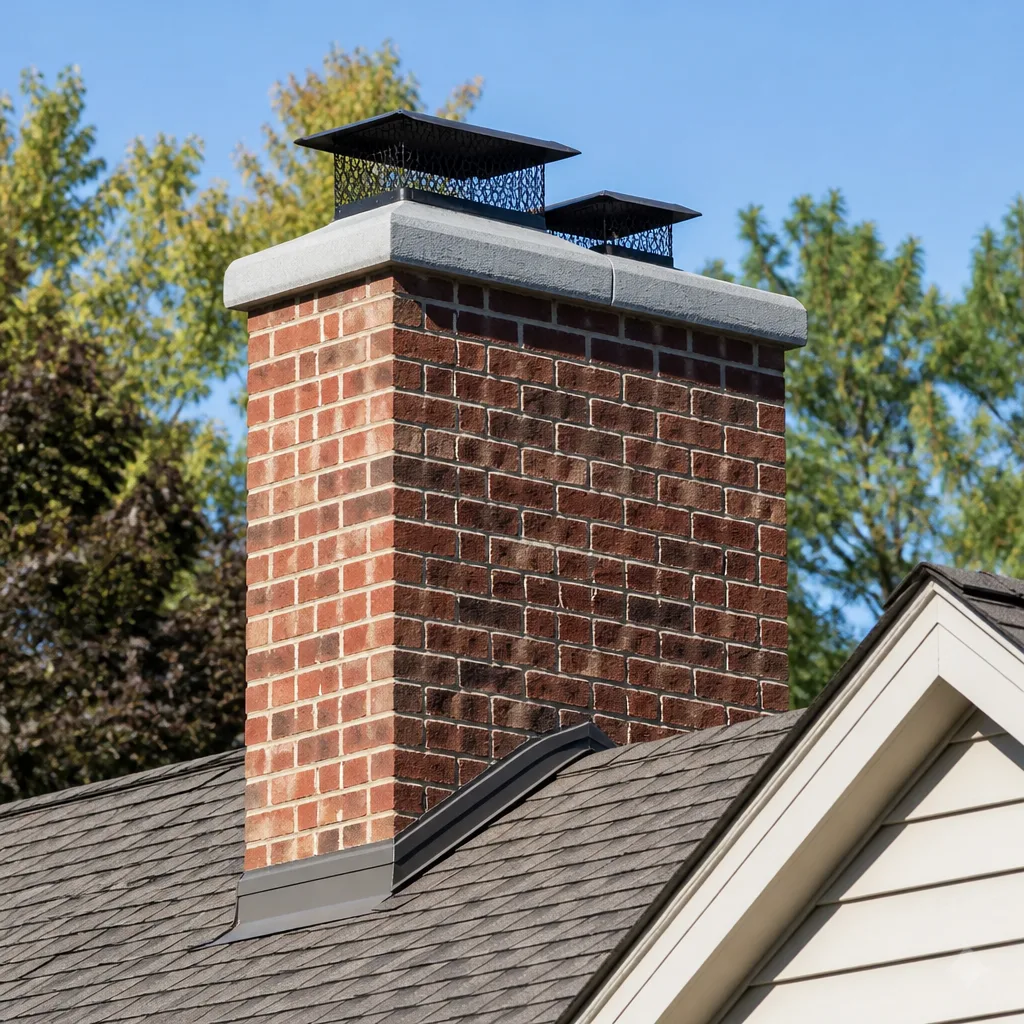 Caps & crowns
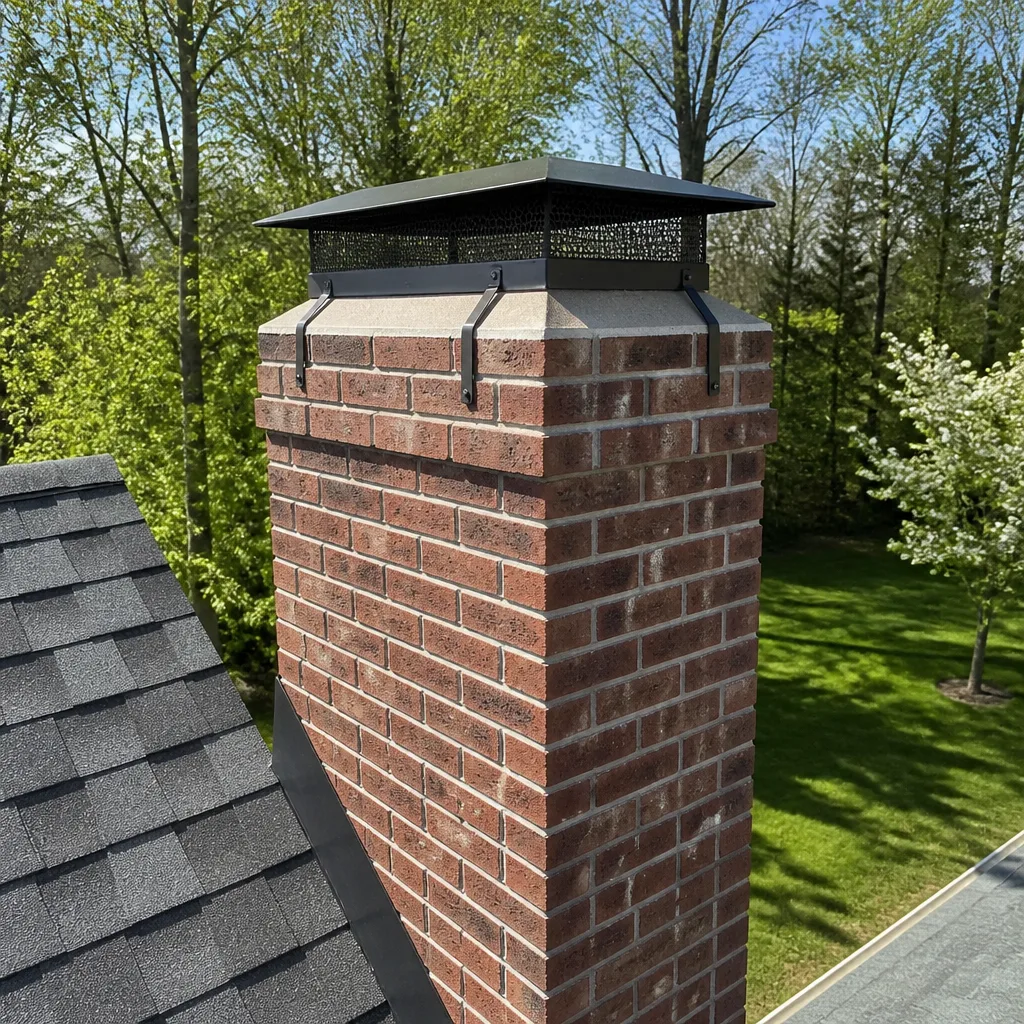 Flue relining
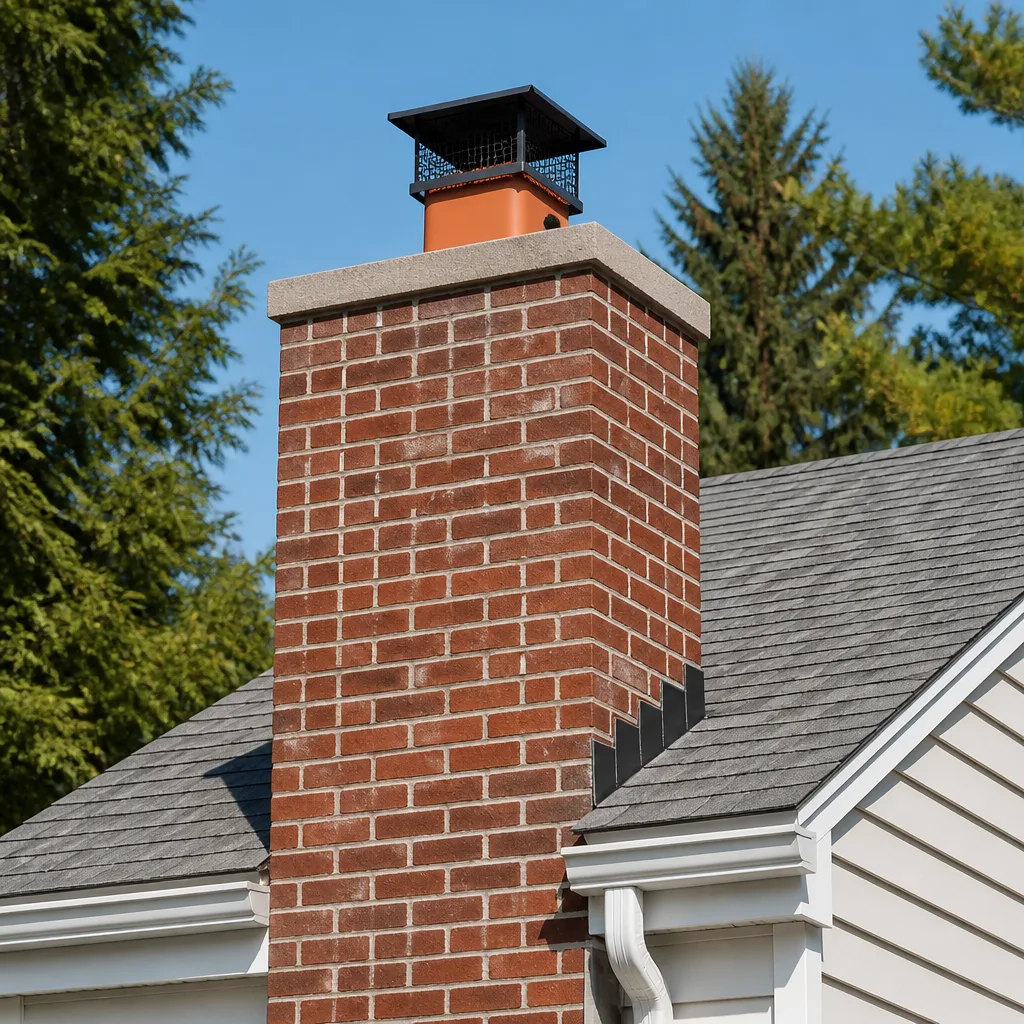 Masonry repair
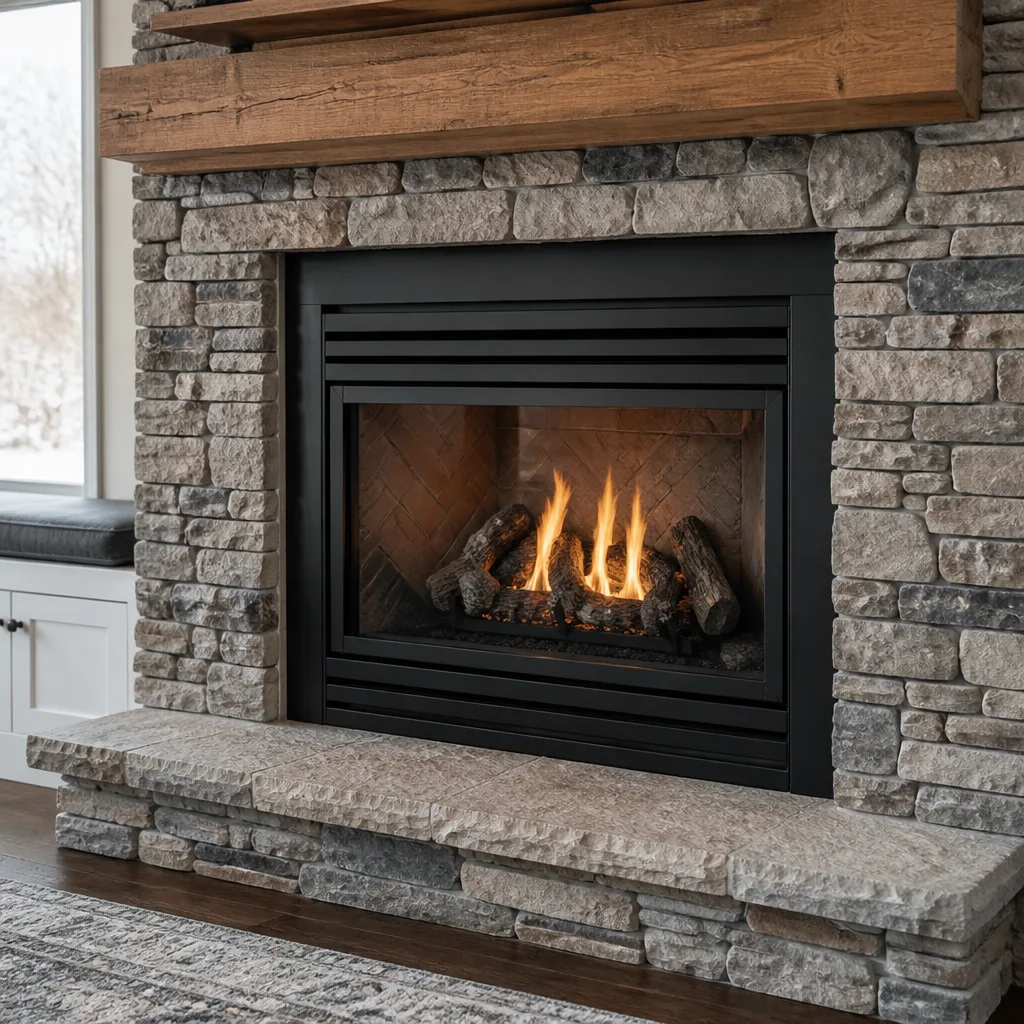 Gas fireplace service
Level 1 sweep and inspection to the NFPA 211 annual standard - flue, crown, cap, and flashing checked and photographed
Chimney sweep logs do not sweep chimneys. They loosen some creosote - which then falls where a brush and vacuum still have to collect it.
How to Hire a Chimney Cleaning Contractor in Granada Hills: A Step-by-Step Guide
Search “chimney sweep near me” in Granada Hills and you’ll get a list that mixes dedicated chimney specialists with HVAC companies, handymen, and general contractors who tack chimney cleaning onto a much longer menu. From the websites alone, they can look nearly identical. That’s the problem this guide solves. We’re going to walk you through the exact questions to ask, the credentials that actually matter, and the red flags that separate a real chimney professional from someone treating your flue as filler revenue between bigger jobs. By the end you’ll know how to read a quote line by line and how to tell whether the company you’re about to hire will still answer the phone when a callback situation comes up.
Quick Answer
To hire a chimney cleaning contractor in Granada Hills, verify CSIA certification and insurance first, then confirm the company handles inspection and structural repair in-house rather than subcontracting it. Ask for a written scope of work, a photo-documented inspection report, and a clear answer on whether they stock industry-trusted materials like HeatShield or Gelco. A dedicated chimney specialist beats a generalist nearly every time, because the accountability and warranty chain stays with one company from the firebox to the crown.
Styles & brands we work with
- Sweep & inspection
- Caps & crowns
- Flue relining
- Masonry repair
- Gas fireplace service
Table of Contents
- Why CSIA Certification Is the Floor, Not the Finish Line
- The Questions That Reveal In-House vs. Subcontracted Work
- How to Read a Chimney Cleaning Quote Line by Line
- What a Real Inspection Report Looks Like
- Granada Hills Red Flags: Upsells, Vague Reports, and Missing Photos
- Why a Chimney-Only Specialist Offers a Different Accountability Model
- A Step-by-Step Hiring Checklist
- Granada Hills Context: Climate, Housing, and What That Means for Your Chimney
Why CSIA Certification Is the Floor, Not the Finish Line
Every hiring guide tells you to check for CSIA certification and NCSG membership. That advice is correct, and it’s also incomplete. In 2026, those credentials are the entry ticket, not the differentiator. Plenty of companies hold them. Far fewer can actually do the full scope of work a chimney needs over its lifetime.
The Chimney Safety Institute of America (CSIA) certifies individual chimney sweeps, and the National Chimney Sweep Guild (NCSG) is the trade association that sets professional standards. If a contractor can’t produce either, stop there. But once you’ve confirmed both, the real questions begin:
- Can they resurface a deteriorated flue liner? HeatShield is a proven resurfacing system, and applying it correctly takes training and experience beyond basic sweeping. Many sweep-only competitors can’t offer it at all.
- Do they carry and install name-brand components? DuraFlex liner systems, Gelco and Famco caps, and Olympia Chimney parts are recognized across the trade. Off-brand materials save the contractor money and cost you longevity.
- Is inspection a standalone service? If a company only inspects as part of a cleaning package, they may not offer a proper assessment for a real estate transaction or a post-storm check.
- What does their insurance actually cover? General liability is standard. Ask specifically whether they carry coverage for work performed at height and for fire-related damage.
In our experience running chimney work across the Granada Hills area, the credential that separates specialists from generalists isn’t the certificate on the wall. It’s whether the company can take a job from routine cleaning through liner restoration and crown repair without handing you off to a second contractor. That continuity is what protects you when something goes wrong down the road.
The Questions That Reveal In-House vs. Subcontracted Work
Here’s the question most homeowners never ask: “Will the person who inspects my chimney also be the person who repairs it?” The answer tells you almost everything about a contractor’s real capability.
General contractors and HVAC companies often subcontract chimney repair. They sweep, then refer the structural work to a third party. That arrangement has consequences you feel months later. The sweep blames the mason, the mason blames the sweep, and you’re in the middle holding a warranty that neither will honor. A dedicated chimney specialist handles the whole lifecycle, which means one company owns every outcome.
Ask these questions before you book:
- “Who performs the repair work?” If it’s a subcontractor, ask for their name and whether they carry their own insurance.
- “Can you install a new liner and resurface an existing one?” A yes to both signals real scope. Resurfacing capability, especially HeatShield, is a strong indicator of specialized training.
- “Do you handle cap and crown work?” Caps are the first line of defense against water intrusion, the leading cause of chimney damage. A company that installs Gelco or Famco caps and rebuilds crowns has the preventive side covered.
- “What’s your warranty on the repair?” Get the answer in writing. If the company subcontracts, their warranty may only cover the sweep portion.
- “If I have a problem in six months, who do I call?” The answer should be one name, not a chain of referrals.
When a company covers sweep, inspection, cap and crown, fireplace repair, and full chimney repair under one roof, there are no seams for problems to hide in. That’s the accountability model to look for in Granada Hills, where older housing stock and varied chimney construction make the full scope matter more than it does on a new build.
How to Read a Chimney Cleaning Quote Line by Line
A quote is a diagnostic tool. What’s on it, and what’s missing, tells you how much the contractor actually understands about chimney work. A thorough cleaning quote should include several line items, each with a purpose.
- Level of inspection specified. A basic cleaning typically pairs with a Level 1 or Level 2 inspection. If the quote doesn’t say which level, ask. The level determines how deep the assessment goes, and a Level 2 includes a video scan of the flue.
- Camera inspection included. A photo or video scan of the flue interior is not optional on a proper job. It’s how the technician sees cracks, gaps, and creosote glaze that a flashlight can’t reach.
- Photo documentation of findings. The quote or follow-up report should reference before-and-after photos. Without them, you’re taking someone’s word for what’s inside your chimney.
- Debris removal and cleanup. A line item for containment and cleanup signals the contractor plans for a clean job, not a cloud of soot in your living room.
- Any recommended repair scoped separately. Cleaning and repairs should never be bundled into one confusing number. You want to see the cleaning cost, the repair cost, and the reason for each.
Missing line items are the tell. A quote that’s just “chimney sweep: $X” with no inspection level, no camera, and no documentation is a quote from someone treating this as a chore. A quote that separates scope, prices each piece, and explains why is a quote from a specialist.
One more thing: legitimate chimney companies don’t pressure you to approve a liner replacement on the first visit. If the flue genuinely needs a liner, the technician will show you the evidence and give you time to decide. That’s the difference between an inspection and a sales pitch. Our approach is simple: nothing gets recommended without camera evidence you can see for yourself, and we’ll tell you plainly when a repair can safely wait. Call (855) 774-3956 for a free estimate on a chimney sweep if you’d like to start with the cleaning and go from there.
What a Real Inspection Report Looks Like
An inspection report is the single most valuable document you’ll get from a chimney company. It’s also the thing most homeowners don’t know how to evaluate. Here’s what a proper report contains, and what a vague one is hiding.
A thorough report should cover the full system, from firebox to crown:
- Exterior: the crown, the cap, the flashing, and the masonry or siding condition. These are where water gets in.
- Flue interior: the liner condition, creosote level and type, and any gaps in the joints, documented with camera imagery.
- Damper and smoke chamber: whether the damper seals, and whether the smoke chamber is properly shaped and free of creosote buildup.
- Firebox: cracks in the firebrick or mortar joints, which can let heat reach framing.
- Sparking and clearances: whether nearby combustible materials are at safe distance.
Photos or a video scan are not a nice-to-have. They’re the difference between a report and an opinion. If your inspector can’t show you what’s inside the flue, you can’t verify the recommendation and you’re back to guessing.
The camera inspection is also the reason a dedicated chimney specialist can tell you when a problem is real and when it isn’t. A report that says “liner may need replacement, recommend full relining, $X” without imagery is a report you can’t act on. A report that shows you a cracked flue joint at a specific location, with a photo, is one you can take to anyone for a second opinion. That transparency is what the professional trade is built on, and it’s what you should demand when you hire anyone in Granada Hills. An inspection should also be available as a standalone service, which matters when you’re buying a home or checking a chimney after a storm.
Granada Hills Red Flags: Upsells, Vague Reports, and Missing Photos
Scroll through enough contractor listings and the sites start to blur together. That’s the point of knowing the red flags before you call, so you recognize them in real time.
- A vague inspection report with no imagery. If the report is a checklist with no photos or camera footage, the inspector either didn’t inspect properly or is avoiding giving you something you could verify. Either way, walk.
- Pressure to approve a liner replacement on the first visit. A liner is a significant repair. A legitimate company shows you the evidence, explains the options, and lets you decide without a hard sell. Urgency on a first cleaning is a warning sign.
- No before-and-after documentation. The condition of your flue when they arrived and after the sweep should be visible. No documentation means no way to prove the work was done to a professional standard.
- A price that seems low with vague scope. A cheap sweep that skips the inspection level, the camera, and the cleanup is cheap because it’s not doing the work. The low number becomes a hook for the upsell later.
- Bundled “maintenance plan” pressure on a first visit. A one-time cleaning shouldn’t come with a recurring agreement pitched before you’ve seen the report. If it does, ask what the plan covers in writing and whether the same scope is available without it.
- Reluctance to name materials. A contractor nervous about naming their products is a contractor using off-brand components. Professional-grade lines like HeatShield, Gelco, and Olympia Chimney are named because they hold up. Ask and see what they say.
Granada Hills has a mix of older homes and newer construction, and the chimneys vary accordingly. Some masonry chimneys in the area have years of service on them and need careful assessment; newer flues may be in good shape. The point is to let the evidence drive the recommendation, not the sales calendar. A specialist who inspects before recommending is the one you want.
Why a Chimney-Only Specialist Offers a Different Accountability Model
The word “accountability” gets used loosely in the trades. Here’s what it means in practice. If your chimney cap leaks two months after installation, who fixes it? If the sweep damages a damper while cleaning, who covers the repair? If a liner you just had installed fails, whose warranty applies?
With a general contractor or an HVAC company that does chimney work on the side, the answer is murky. The sweep may be an employee; the repair may be a subcontractor; the warranty may be a manufacturer’s sheet with no service partner to honor it. You end up chasing down which party is responsible.
A dedicated chimney specialist keeps the whole chain in one place. When the same company handles sweeping and inspection, installs a name-brand cap or crown, resurfacing with a system like HeatShield, and repairs the firebox, they own every outcome. If there’s a callback, it goes to the company that did the work, not a referral partner. That’s the difference between a service and a warranty.
Our five service categories are deliberately built to cover the full chimney lifecycle: chimney sweep, inspection, chimney cap & crown, fireplace repair, and chimney repair. The idea is one call covers it, from routine maintenance to the structural work. You don’t manage multiple contractors, and you don’t get referred out to someone you didn’t choose. That’s the core of what a dedicated specialist does differently, and it’s the reason the company standing behind the work matters more than the cheapest quote on the list.
A Step-by-Step Hiring Checklist
Here’s how to put everything above into practice. This is the order that keeps you in control.
- Ask for their credentials and insurance. CSIA certification and NCSG membership are the starting point. Then ask whether they carry liability coverage for at-height work and what it covers.
- Confirm scope. Ask directly whether they handle inspection, cap and crown, liner resurfacing, and repair in-house, or whether they subcontract any part of it. Get names if they subcontract.
- Request a sample report. Ask to see a sample inspection report and photo documentation. This tells you what you’ll get before you commit, and it’s a low-friction way to see whether the company’s work is documented.
- Get a written quote with separated line items. Cleaning, inspection level, camera scan, cleanup, and any recommended repair should each have their own line. Make sure the written quote is the final price basis, not an over-the-phone estimate.
- Ask about materials by name. If a repair is recommended, ask what products they use. A specialist can tell you the brand and why it’s right for your chimney.
- Check the callback policy. Ask what happens if there’s a problem with the work later. The answer should be a direct name and a process, not a runaround.
- Book, then inspect the report before approving any repair. Once the sweep is done, review the report and photos yourself before signing off on anything extra. A specialist will never pressure you into an immediate decision.
If you follow those steps, you’ll know within one conversation whether the company you’re talking to is a dedicated chimney specialist or a generalist sweeping chimneys between other jobs. That distinction determines almost everything about how the work gets done and how the warranty holds up.
Granada Hills Context: Climate, Housing, and What That Means for Your Chimney
Granada Hills sits in the San Fernando Valley, with mild winters and a warm, dry climate for most of the year. That climate shapes what your chimney needs from a contractor. With mild winters, the chimney isn’t under constant freeze-thaw stress, but the dry season still seasons the masonry and the flue, and the fireplace gets used when temperatures drop in the cooler months. Water intrusion, not frost, is the leading cause of chimney damage here, usually entering through the crown and cap. That’s why a proper cap and crown inspection belongs on every report, and why crown work isn’t a step you skip.
The housing stock in Granada Hills is varied. Older masonry chimneys and newer prefabricated flues need different treatment, and the inspection needs to identify which type you have before recommending anything. A specialist should be able to tell you the construction type of your flue and what that means for the cleaning method and any repair scope. A generalist won’t always know.
Wherever the house sits in Granada Hills, the principle is the same: inspect before you recommend, document what you find, and be honest about what can wait. A chimney that only needs a sweep shouldn’t be sold a liner. A chimney with a real structural issue shouldn’t be swept and forgotten. Getting that judgment right is the whole point of hiring a specialist, and it’s why it matters that your contractor covers the full spectrum from the sweep to the structural work.
If you’re in the market for a full sweep-and-inspection service, start with the Chimney Sweep Granada Hills page, and if you’re weighing a larger repair, the fireplace repair and cap and crown resources can help you understand the scope before you book.
Common Mistakes to Avoid
- Hiring strictly on the lowest quote. A low number is often a low scope. Check what the quote includes before you compare it to the next one. Missing inspection levels or camera scans make a cheap sweep look cheaper than it is.
- Accepting a repair recommendation with no photos. A liner or masonry recommendation without camera evidence is unverifiable. Ask for the imagery, and if there isn’t any, wait or get a second opinion.
- Letting a generalist handle the repair. A company that subcontracts chimney repair leaves you with two warranty chains and no single accountable party. Confirm the repair is done by the company you hired.
- Skipping the inspection when you’re buying a home in Granada Hills. A standalone inspection before closing can reveal chimney issues that affect the sale, and it’s available without a full cleaning package.
- Assuming mild winters mean the chimney can wait. Water intrusion through the crown and cap happens year-round in this climate. The dry season is exactly when small crown problems get a chance to grow.
- Approving a cap or crown job without asking about materials. The brand of cap and the method matter. Ask whether the company uses a professional-grade cap and whether the crown work is repaired or replaced.
- Not asking what happens after the work. Before you pay, ask what the callback process is and who to contact if something fails. A specialist will answer clearly; a generalist may not have an answer.
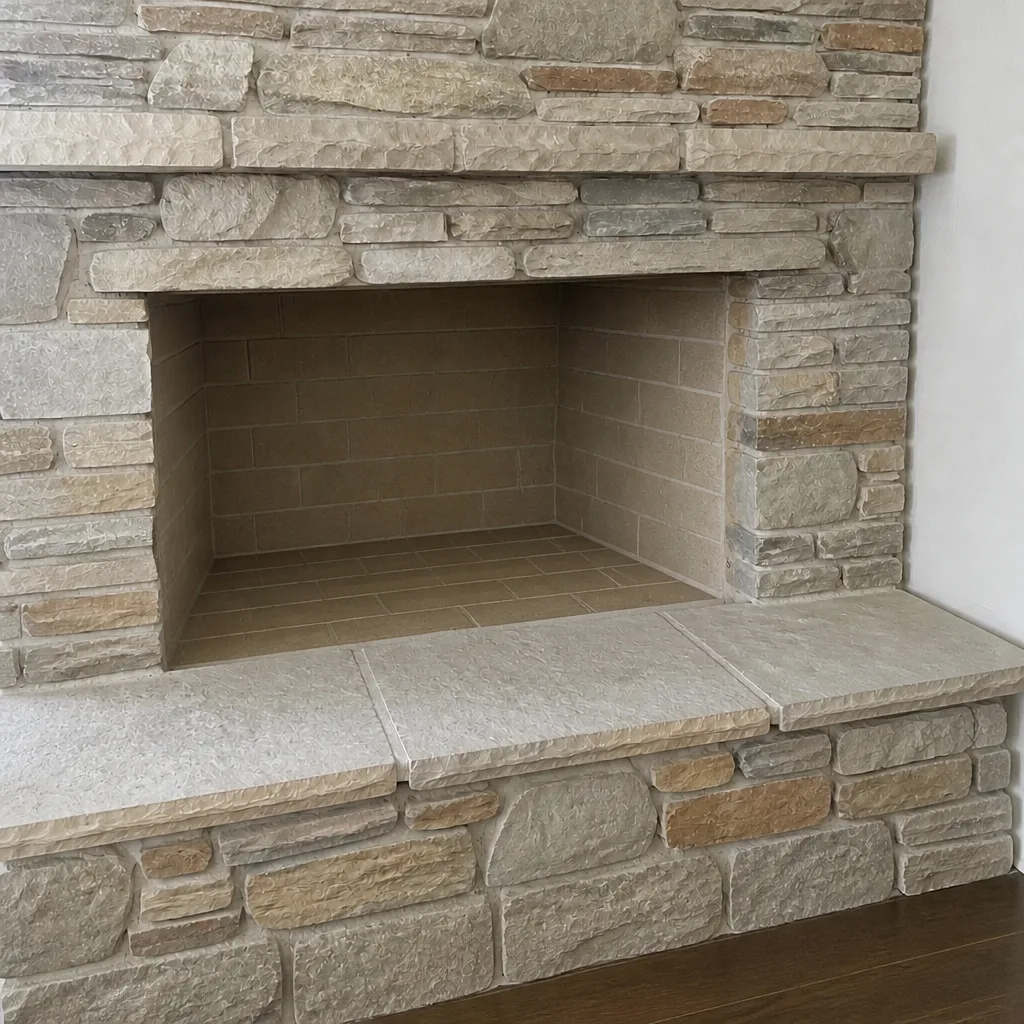
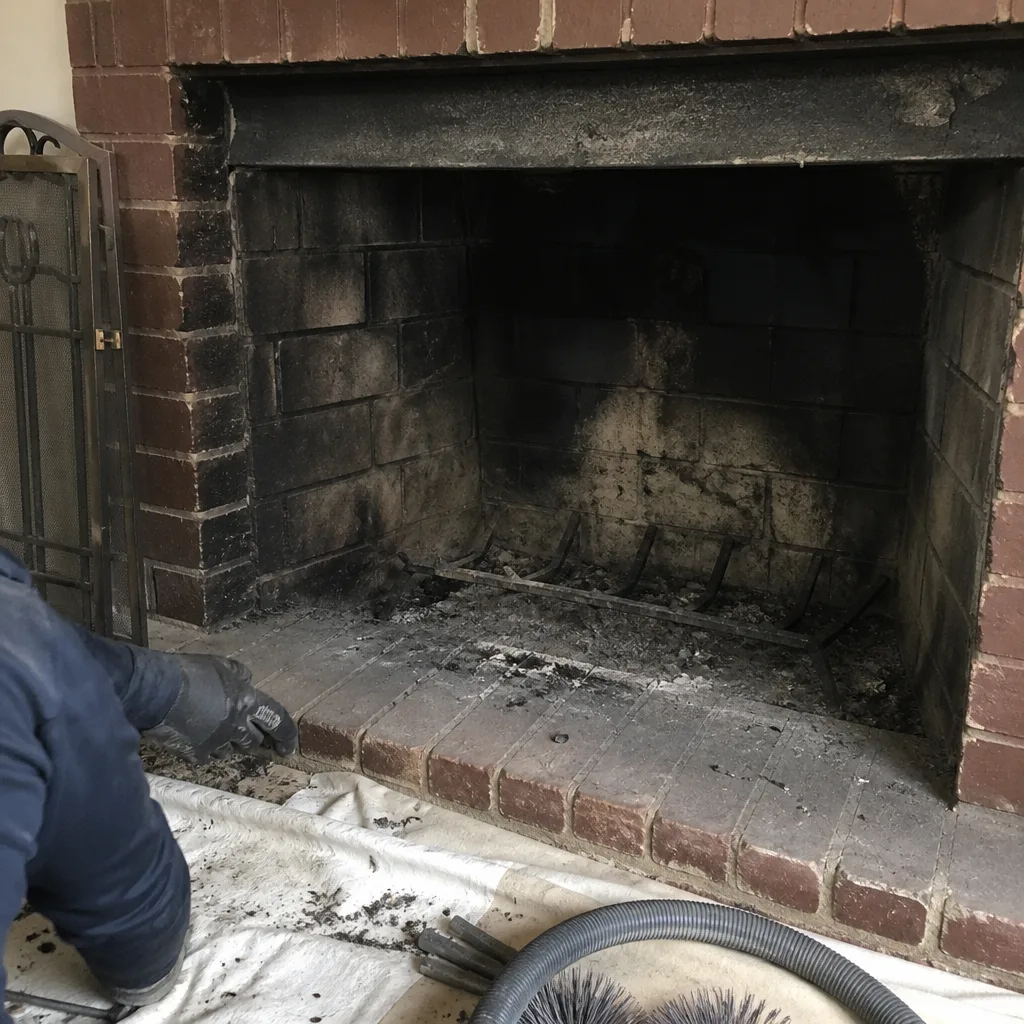
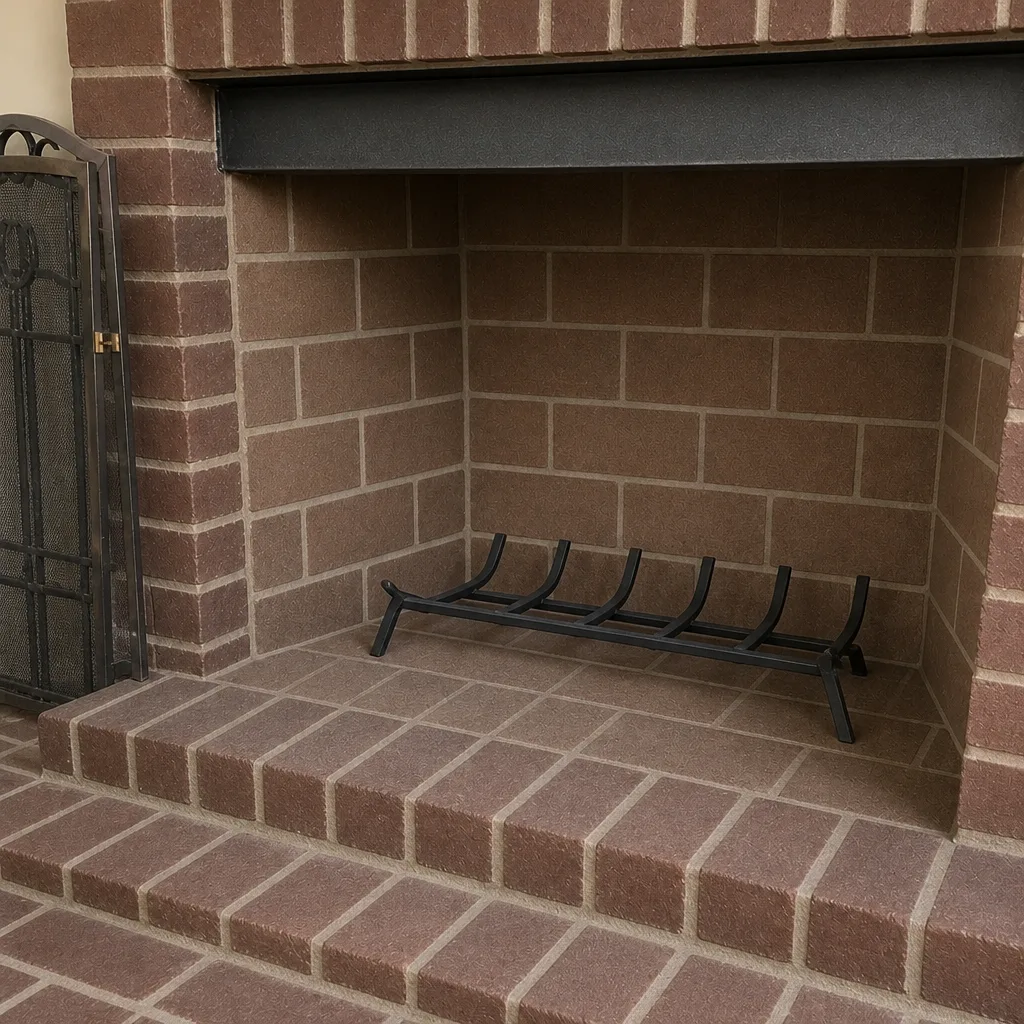
See the difference
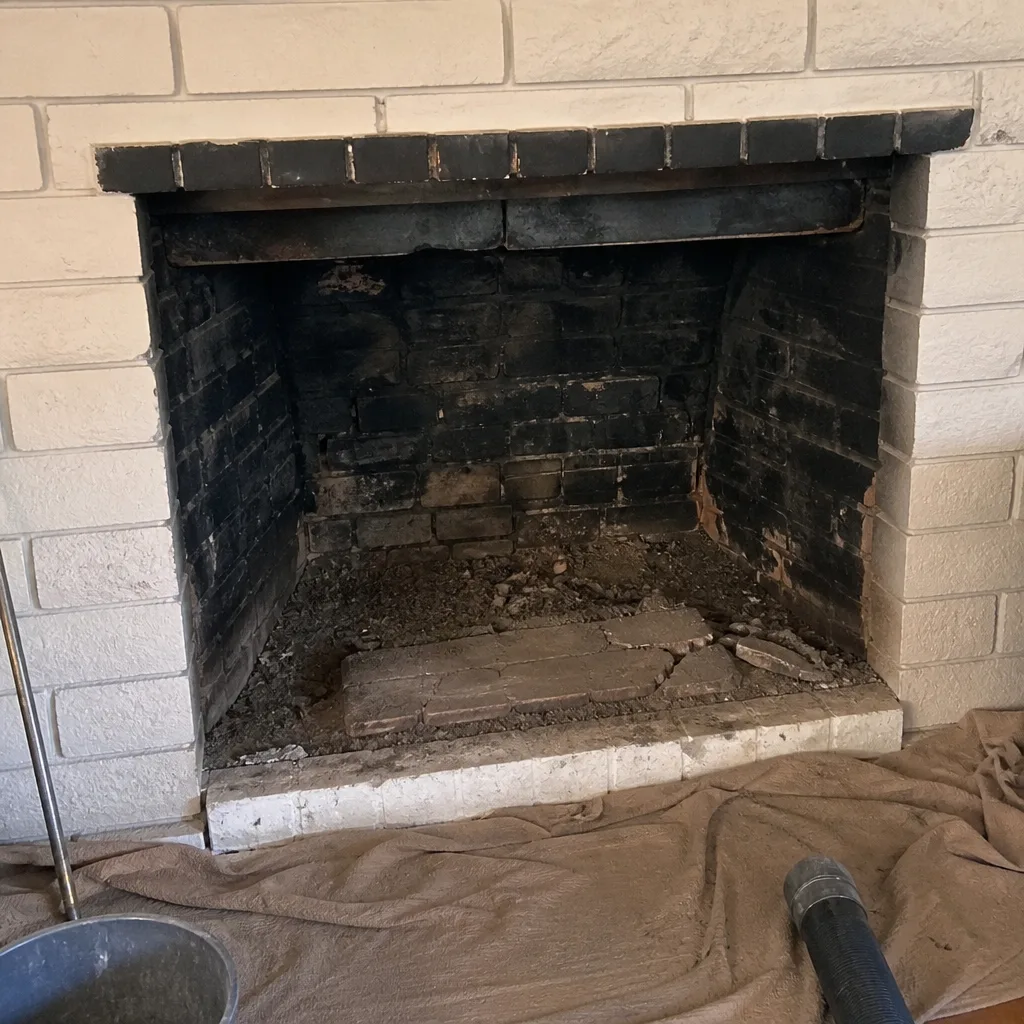 Before
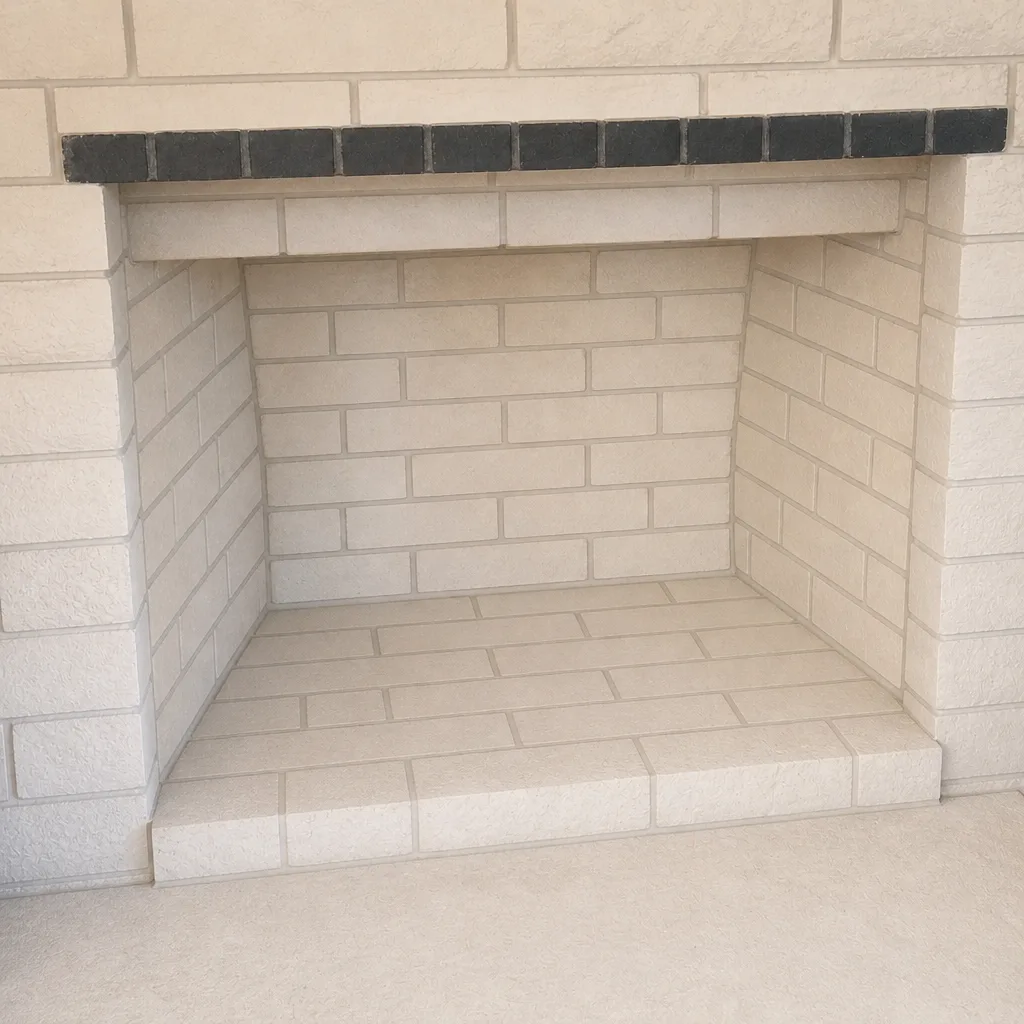 After
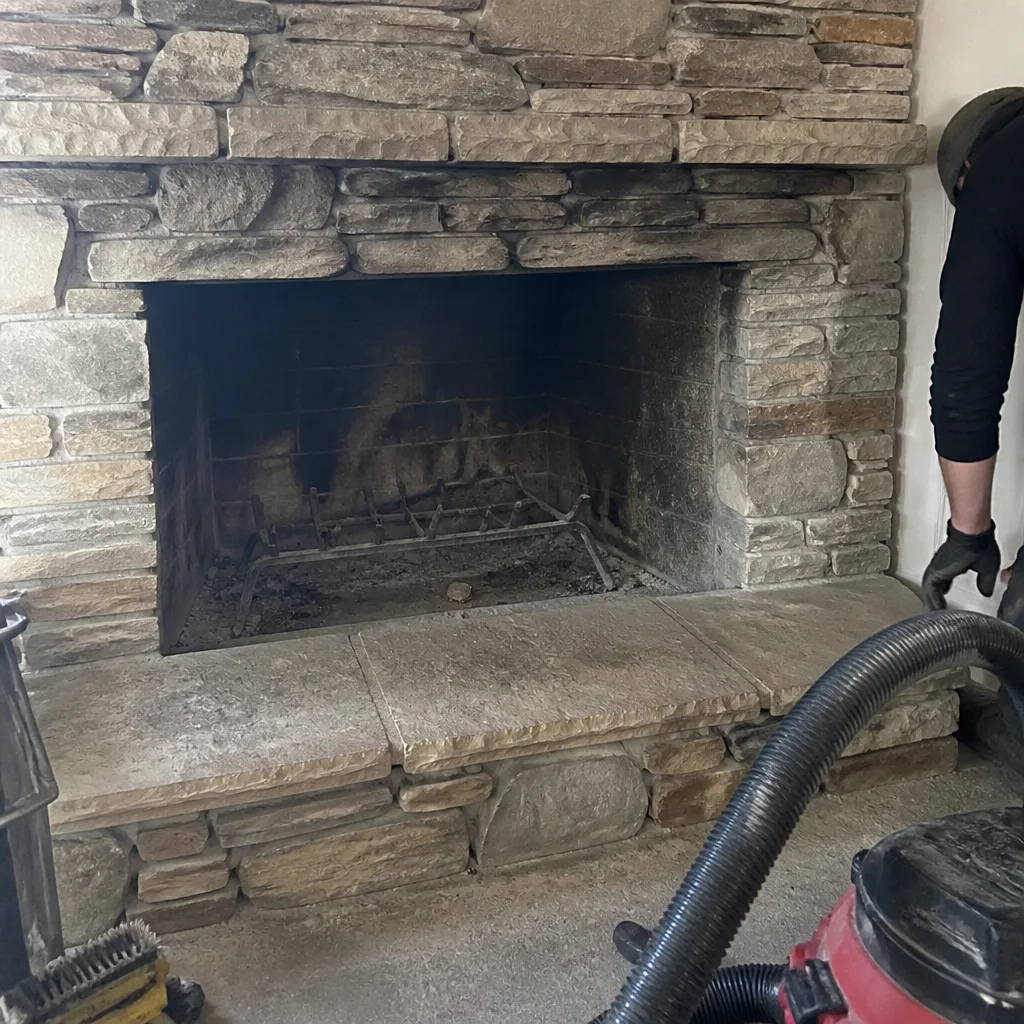 Before
 After
 Before
 After
When to Call a Professional
Some chimney problems announce themselves. Others stay quiet until the damage is expensive. Call a professional when you notice smoke backing up into the room instead of going up the flue, when you smell a strong creosote or smoky odor even with the fireplace off, or when you see cracks or loose masonry on the exterior, especially around the crown and cap. If the damper no longer seals, if the firebox has cracked firebrick or crumbling mortar, or if you’ve just bought a home in Granada Hills and want the chimney assessed before you rely on it, that’s the time to call. And if it’s simply been a long time since the last sweep, book one. Chimney Sweep Granada Hills offers free estimates in Granada Hills – call (855) 774-3956 to schedule. We answer 24/7. Fast dispatch from 7am to 7pm, Sunday through Friday.
Frequently Asked Questions
Hire a dedicated chimney specialist who is CSIA-certified, carries proper insurance, and handles inspection and structural repair in-house rather than subcontracting. The right company will show you a documented inspection report with photos and separate cleaning from repair on the quote. Look for one that works with professional-grade materials and can cover the full system from the firebox to the crown.
Yes, if you want a verifiable report. A camera scan lets the technician see cracks, gaps, and creosote inside the flue that a visual sweep can’t reach, and it gives you photographic evidence of what’s actually there. Without it, any repair recommendation is unverifiable. A specialist will include it in the inspection scope, not treat it as an extra.
No. CSIA certification is the floor, not the finish line. It confirms the technician has been tested on chimney safety and cleaning practice, but it doesn’t tell you whether the company can resurface a liner, install a proper crown, or honor a warranty callback. Ask about scope, materials, and the accountability chain beyond the certificate.
The clearest sign is pressure to approve a liner replacement on the first visit. A legitimate contractor shows you the camera evidence and gives you time to decide. Other red flags include a vague report with no photos, a bundled maintenance plan pitched before any findings, and reluctance to name the materials they’d use. None of those belong in a proper inspection.
Ask directly: “Will the person who inspects also perform the repair?” If the answer is no, ask for the subcontractor’s name and insurance. Then ask who honors the warranty if the repair fails. If you get two different companies in the answer, the accountability chain is split, and you’re the one who has to chase it down if something goes wrong.
A dedicated chimney specialist is the safer choice in almost every case. A general contractor or HVAC company treating chimney work as a side service may subcontract the repair, leaving you with two warranty chains. A chimney-only company keeps the sweep, inspection, cap and crown, and repair under one roof, so one company is accountable from start to finish.
The Bottom Line
Hiring a chimney cleaning contractor in Granada Hills comes down to vetting the right things. Verify CSIA certification and insurance first, then go deeper: ask whether the company handles inspection, resurfacing, cap and crown, and repair in-house; demand photo documentation and a camera scan; read the quote line by line for what’s included and what’s missing; and walk away from anyone pressuring a big repair on a first visit. A dedicated chimney specialist built around the full lifecycle covers the whole system from the firebox to the crown, and that continuity is what protects you when something needs a callback. If you’d like to start with a cleaning or a standalone inspection, call (855) 774-3956 for a free estimate. We answer 24/7. Fast dispatch from 7am to 7pm, Sunday through Friday.
Written by the team at Chimney Sweep Granada Hills.