
Last updated November 22, 2026
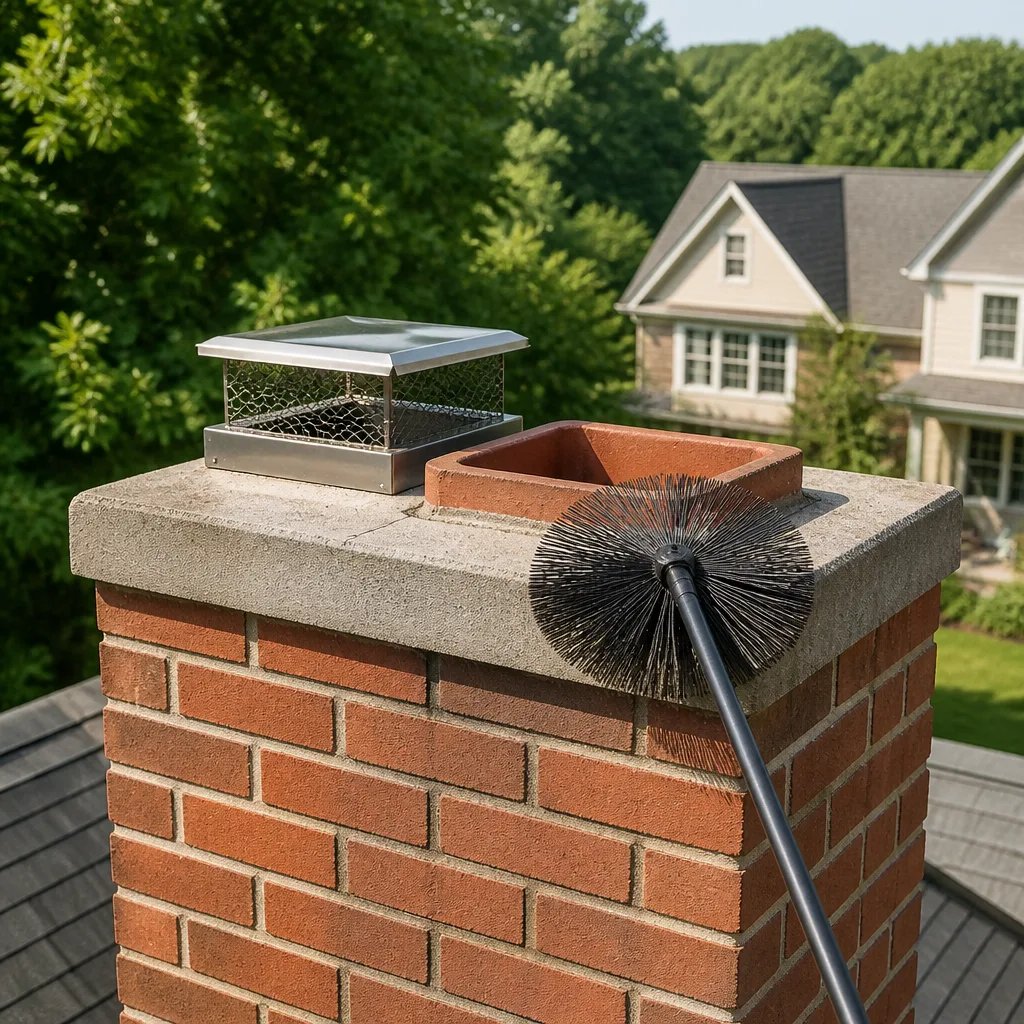 Sweep & inspection
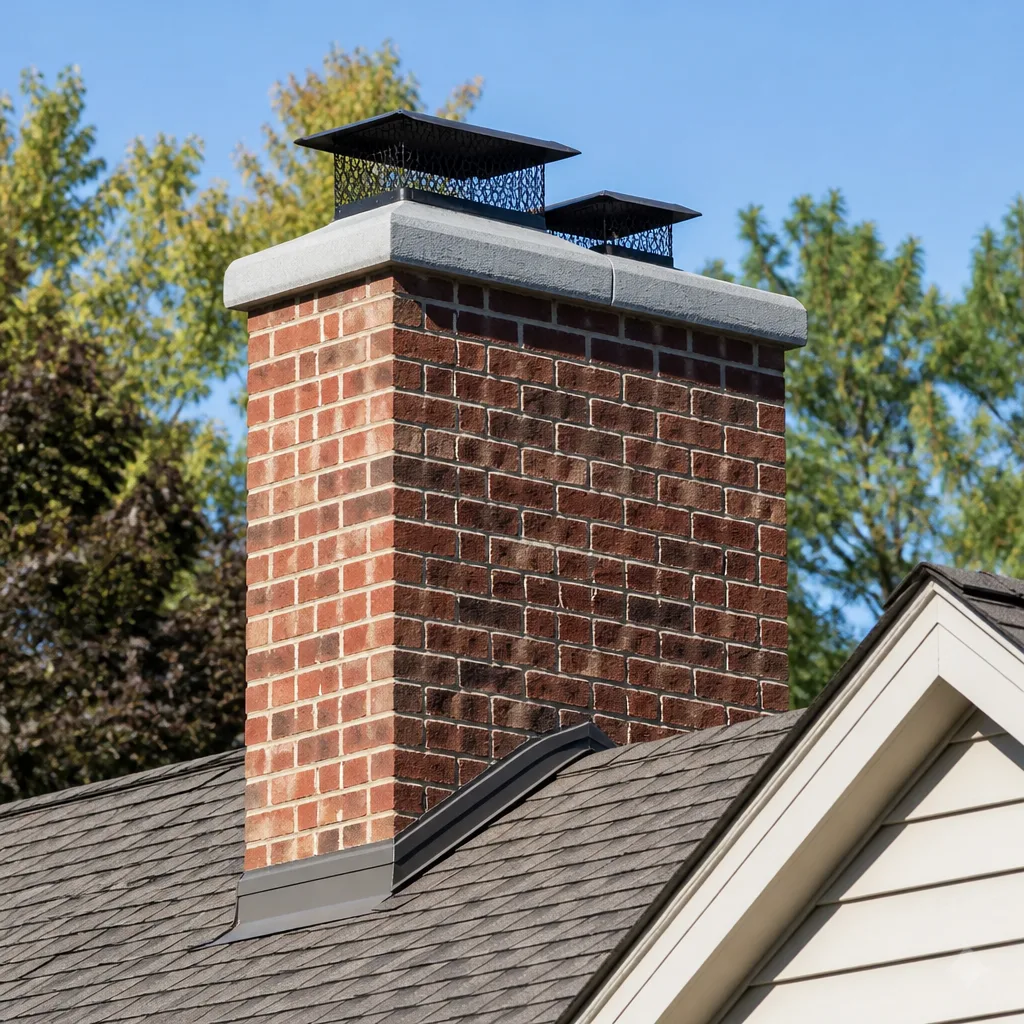 Caps & crowns
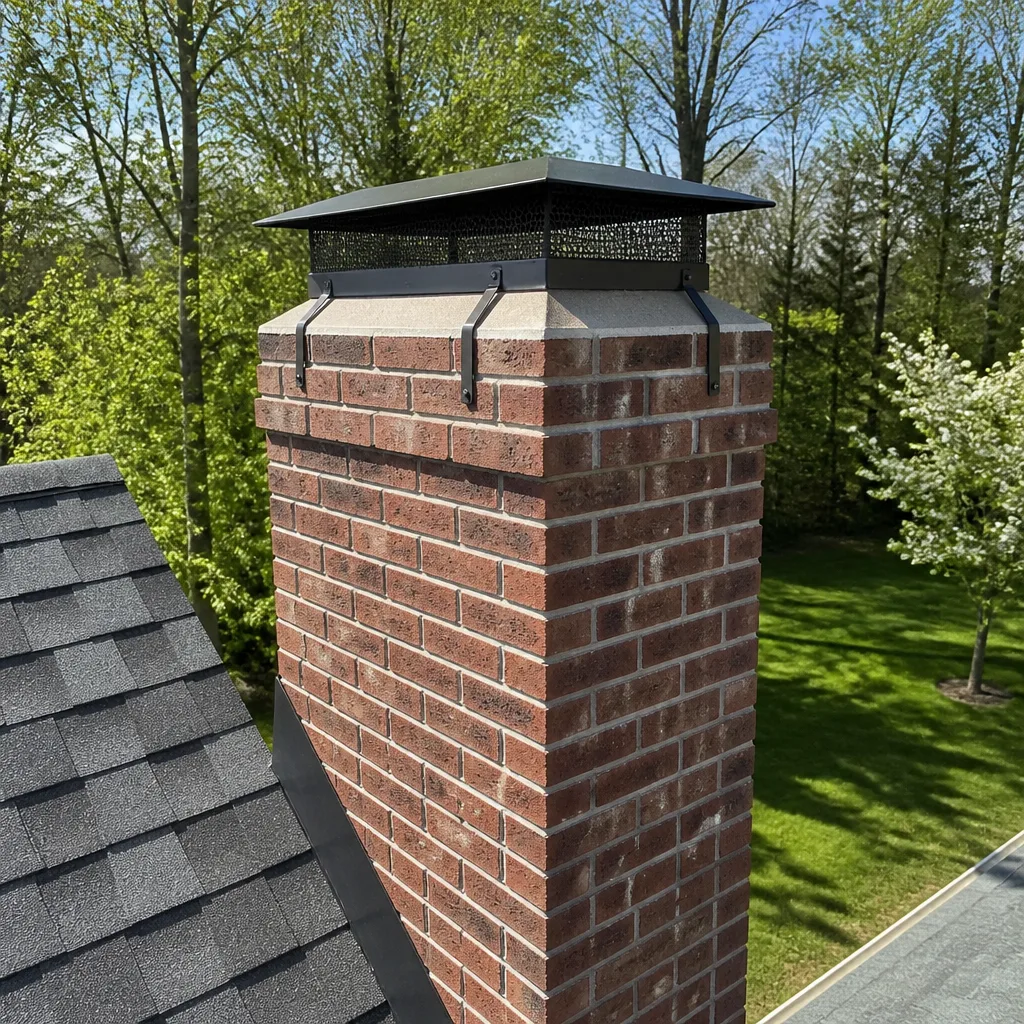 Flue relining
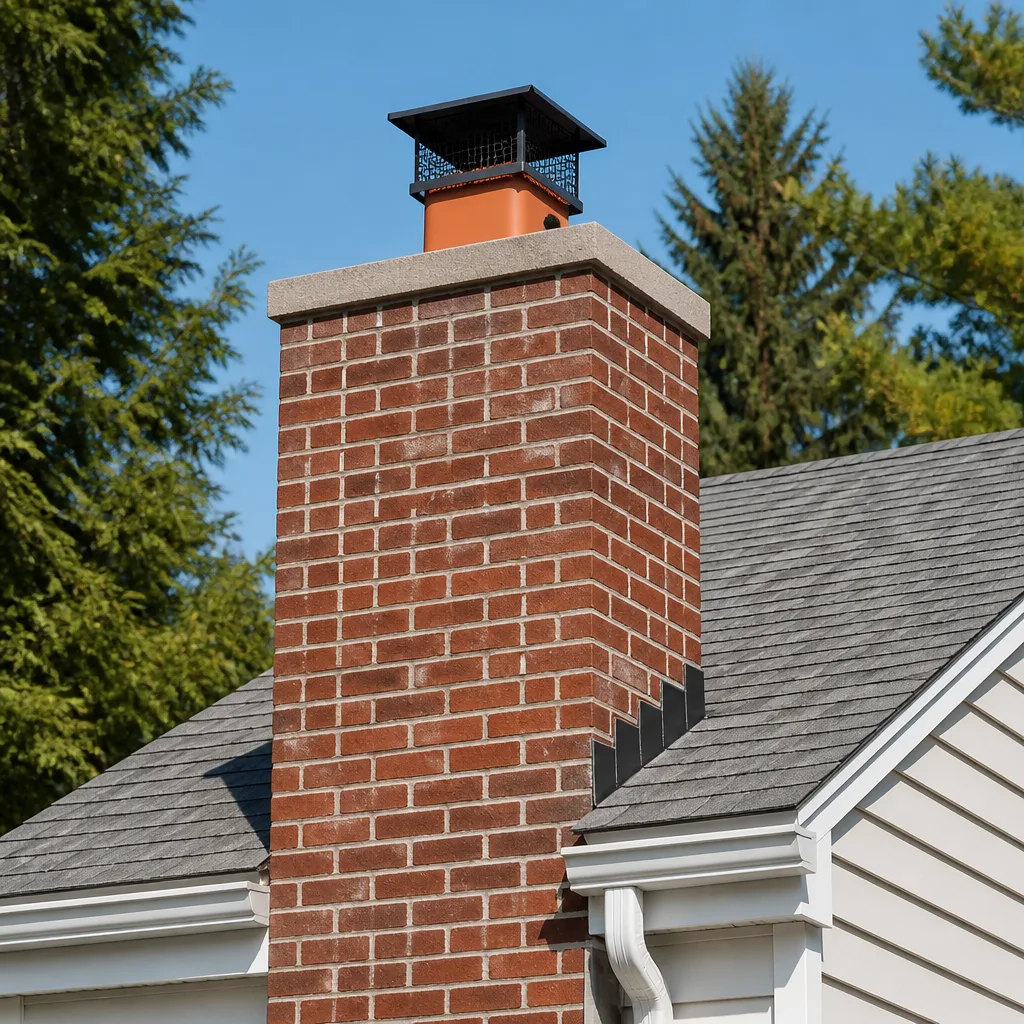 Masonry repair
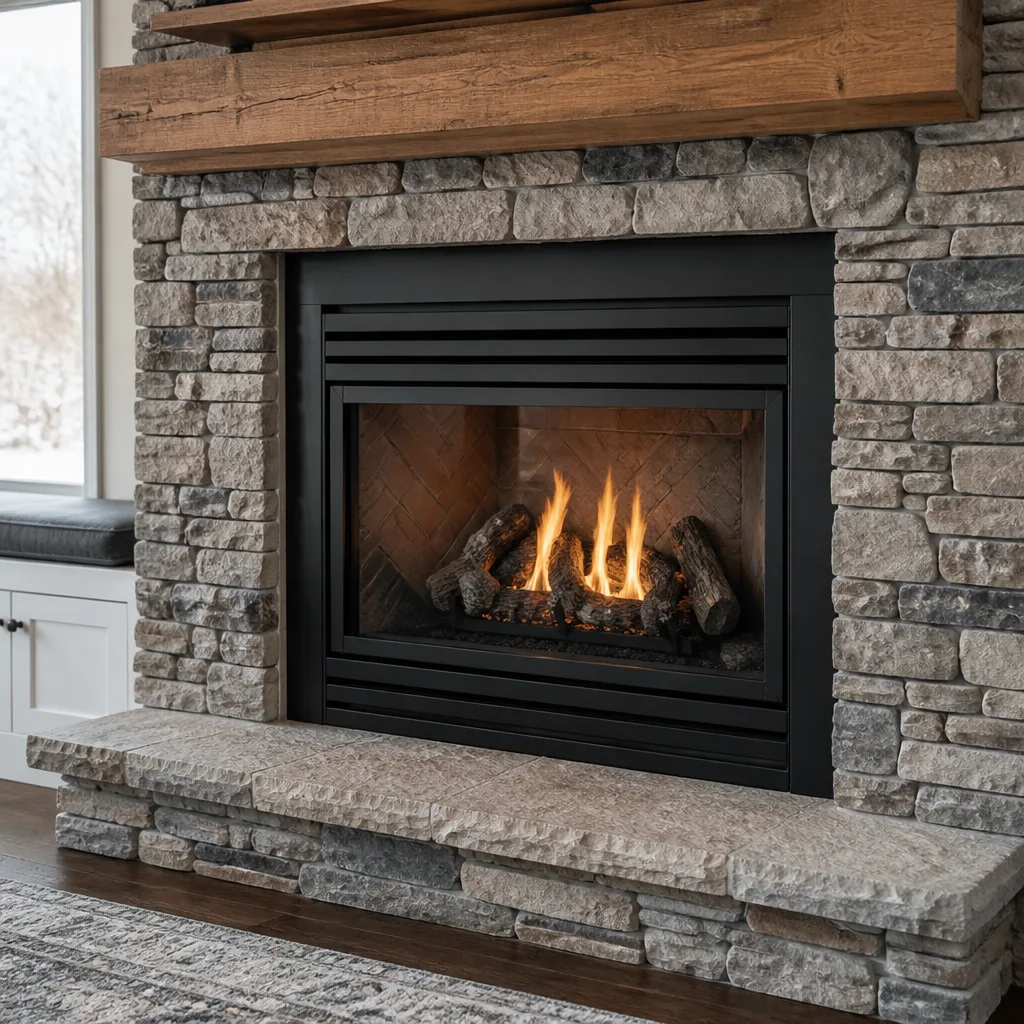 Gas fireplace service
Level 1 sweep and inspection to the NFPA 211 annual standard - flue, crown, cap, and flashing checked and photographed
Chimney sweep logs do not sweep chimneys. They loosen some creosote - which then falls where a brush and vacuum still have to collect it.
Seasonal Chimney Cleaning Care for Granada Hills: Year-Round Homeowner’s Guide
Telling a Granada Hills homeowner to “prep the chimney for winter” in October misses the point. By October, the highest-risk window for chimney debris intrusion has already passed, and nesting season was six months ago. Chimney care advice written for the Northeast is built around freeze-thaw damage and snow loads, and none of that applies here. What does apply is a four-window calendar driven by fire weather, rain, wildlife activity, and burning season. This guide lays out those windows month by month for Granada Hills, explains how the region’s dry summer heat treats mortar and crowns, and gives you a reference card you can keep for the 91344 area and nearby ZIP codes.
Quick Answer
Chimney care in Granada Hills runs on four risk windows, not four seasons: a post-summer dormancy check, a pre-burn season sweep, a mid-rainy-season moisture inspection, and a spring nesting clearance. The single most important one for most homes is the pre-burn season sweep, done before the first fire of the year so creosote and any summer debris are cleared before they meet a flame. Pair that sweep with a camera-based inspection and you’ll catch nearly every problem the local climate creates.
Styles & brands we work with
- Sweep & inspection
- Caps & crowns
- Flue relining
- Masonry repair
- Gas fireplace service
Table of Contents
- Why Granada Hills Has Four Chimney-Risk Windows, Not Four Seasons
- The Post-Summer Dormancy Check (August to September)
- The Pre-Burn Season Sweep (September to November)
- The Mid-Rainy-Season Moisture Inspection (December to March)
- Spring Nesting Clearance (March to June)
- How Dry Summer Heat Attacks Mortar and Crowns Here
- What to Do After a Nearby Wildfire, Even If You Never Lit a Fire
- The Month-by-Month Reference Card for 91344
Why Granada Hills Has Four Chimney-Risk Windows, Not Four Seasons
Granada Hills sits in the San Fernando Valley, where summer heat is long and dry and winter rain arrives in concentrated storms rather than a slow drizzle. That produces two very different kinds of stress on a chimney: thermal and desiccation stress in the dry months, and water stress when the rain finally comes. Between those, the burning season concentrates carbon and creosote in the flue, and wildlife takes advantage of the long idle stretch.
So instead of spring, summer, fall and winter, we track four windows:
- Post-summer dormancy: August into September, when the flue has sat unused through the hottest months and the masonry has taken a season of dry heat.
- Pre-burn season: September into November, before the first real fire, when a sweep clears the accumulated creosote and any debris that found its way in.
- Mid-rainy-season moisture window: December into March, when the concentrated rain tests every cap, crown, and flashing detail.
- Spring nesting clearance: March into June, when birds and other animals look for a sheltered spot and the chimney looks like prime real estate.
If you only act once a year, act in the pre-burn window. But understanding all four is what keeps a Granada Hills chimney healthy instead of reactive. A reading of the local conditions by anyone who actually works in this valley tells you the same thing: warm, dry, dusty summers followed by hard rain is a recipe for cracked crowns, not for the frost damage other regions worry about.
Our technicians have up to 10 years of experience reading exactly this kind of wear, and we inspect before we recommend. That’s not a slogan; it’s the sequence that keeps us from selling work a chimney doesn’t need.
The Post-Summer Dormancy Check (August to September)
The first window opens at the end of summer, and it’s often skipped because nobody’s thinking about the chimney while it’s still hot out. That’s a mistake. The flue has sat idle through months of dry heat, and that dry stretch does real work on the masonry. Mortar joints lose their seal slowly, and any small crack in the crown lets heat into places it shouldn’t reach. This is also when animals that moved in over the spring have long since settled, and their nesting material has had all summer to dry out and pile up.
A dormancy check is a visual and camera pass that answers three questions:
- Is there any debris, nest material, or animal presence blocking the flue?
- Is the cap still firmly attached and intact, or has it loosened or deteriorated through the dry months?
- Are the mortar joints and crown showing the fine cracking that dry summer heat tends to open?
If you have a rain cap, this is the moment to look at it directly rather than from the ground. A loose cap is a small problem in August and a water intrusion problem in December. Our chimney cap & crown work is built around exactly this preventive logic, because fixing the water entry point before the rain is a very different job than fixing the damage after it.
The dormancy check also catches the less obvious: a flue that was swept last year but has a small crack that let in a summer shower, or a damper that stuck shut. None of it is alarming. All of it is cheaper now than in November.
The Pre-Burn Season Sweep (September to November)
This is the window that matters most for fire safety, and it’s the one to schedule deliberately rather than on a first-cold-night scramble. As temperatures dip and the fireplace gets used again, the flue carries deposits from the previous season. Creosote builds up with use, and a chimney that’s been idle for months can carry both that deposit and any debris that drifted in. A sweep clears the flue so the first fire of the season meets a clean passage.
Here’s how we explain a typical pre-burn service:
- We inspect the firebox, damper, smoke chamber, and flue before doing anything else.
- We run a camera inspection and work from the photo record, so the recommendation is something you can see for yourself.
- We sweep the flue and clean the firebox and smoke chamber.
- We check the cap, crown, and any visible masonry for issues that developed over the summer.
- We walk you through what we found, show you the images, and tell you plainly what needs doing now and what can safely wait.
That last step is the one homeowners tell us they appreciate most. The real hesitation about chimney work is being told you need liner or masonry repairs you have no way to verify. Our answer is simple: nothing is recommended without camera evidence you can review, and we say out loud when work can wait.
Scheduling a chimney sweep before your first burn is the single most useful seasonal habit for a Granada Hills home. Availability fills up quickly once the weather turns, so aim for the earlier part of this window rather than the last week of October.
The Mid-Rainy-Season Moisture Inspection (December to March)
Granada Hills gets its rain in concentrated storms rather than a steady drizzle, and concentrated rain tests every top-side detail of the chimney all at once. Water intrusion is the most common cause of chimney damage in this area, and it starts at the top: the crown, the cap, and the flashing where the chimney meets the roof. A crown that’s slightly cracked in September can take on real water by January, and that water finds its way into the masonry and eventually the flue.
Mid-season inspection catches water problems while they’re still small. The things we check during this window:
- Whether the crown is shedding water or pooling it
- Whether the cap is still sealed and in place after wind and rain
- Whether there’s staining or efflorescence on the exterior masonry that suggests water is getting in
- Whether the flashing at the roofline is intact
- Whether the firebox or damper area shows signs of moisture
If you’re burning steadily through the rainy months, a mid-season check isn’t strictly necessary for every home, but it’s worth it if you’ve had a roof leak, tree damage, or a chimney that’s been through heavy weather. It’s also worth booking our standalone chimney cap & crown work if you suspect the top of the chimney is the weak point, because that’s the most common entry point for water.
One more note for the rainy window: if you notice water actually dripping into the firebox, don’t burn until it’s checked. A damp firebox and a fresh fire are a poor combination, and the fix is usually at the cap or crown rather than inside.
Spring Nesting Clearance (March to June)
Here’s the counterintuitive part of the Granada Hills chimney calendar: the off-season for burning is the highest-risk period for pest intrusion and cap deterioration. When the fireplace goes quiet, the chimney becomes an attractive, sheltered, warm spot. Birds, squirrels, and other animals look for exactly that kind of space in spring, and a loose or damaged cap gives them access. Once inside, nest material builds up, and debris drops down the flue over the following weeks and months.
Spring clearance in Granada Hills means:
- Checking the flue for nesting material before you assume the chimney is still clear from the winter
- Confirming the cap is still attached and intact, since wind and weather over the dry, windy months can loosen it
- Clearing any debris from the smoke shelf and firebox
The damage a spring nest causes tends to show up months later. A blocked flue discovered in September is a problem you pay for twice: first to clear it, then to address whatever the blockage did to the damper or smoke shelf. Clearing early in the season avoids the pile-up.
The cap is the whole game here. A well-fitted, secure cap keeps animals out and keeps water from reaching the crown. That’s why our preventive philosophy centers on caps rather than repeated cleanups. Fixing the root cause beats sweeping up after it, and a cap that fits properly does the root-cause work for years. If a cap is missing entirely, spring is a good time to have one fitted before the long dry stretch, since you’ll get the full fire season of benefit.
How Dry Summer Heat Attacks Mortar and Crowns Here
This is where local climate genuinely changes the diagnosis. In a cold climate, the damage story is freeze-thaw: water gets in, freezes, expands, and cracks the masonry from within. Granada Hills doesn’t get that. What it gets instead is long dry heat that pulls moisture out of the masonry and mortar, and that repeated drying is its own kind of wear. Mortar joints open up hairline cracks over the dry season, and the crown, which sits fully exposed at the top of the chimney, takes the most direct sun and heat of the whole structure. Small failures in the crown are the beginning of water problems once the rain returns.
This is the argument for the post-summer dormancy check and the pre-burn sweep. If you only ever look at your chimney in the rainy season, you’re always catching up. A crown that’s already cracked by the time the rain arrives is a crown that’s letting water in before you notice. We install and repair crowns with a preventive mindset, so the top of the chimney is shedding water as designed rather than soaking it up.
Dry heat also ages the components inside the flue. A flue liner is built for high heat, but the dry months combined with a season of burning is what really tests it. This is where professional-grade materials matter. Our liner work uses product lines like DuraFlex, HeatShield, Gelco, and Olympia Chimney components, and where a liner has deteriorated but hasn’t fully failed, HeatShield resurfacing can restore it without a full replacement. That resurfacing capability is a specialized skill beyond basic sweeping, and we offer it because otherwise a homeowner missing it would be pushed toward replacement they may not need.
What to Do After a Nearby Wildfire, Even If You Never Lit a Fire
A wildfire nearby doesn’t have to touch your roof to affect your chimney. Wind-blown ash, embers, and fine debris travel farther than most people realize, and they can land on the crown and drift into the flue even during a season when the fireplace has been idle. That ash ends up in the smoke chamber, the damper area, and the flue, and it’s easy to miss because you never burned anything. The fireplace looks clean from the living room, and the chimney up top is another story.
After a nearby fire event, the sensible steps are:
- Do a visual inspection of the roof and crown from a safe location for obvious ash accumulation or ember damage.
- Book a professional inspection, even if you haven’t been burning. The camera pass shows what the eye can’t.
- Check for any signs of damage around the cap and the roof where the chimney meets the roofline.
- If the chimney passed inspection, you can return to normal use; if it failed in any area, address that area before burning again.
Our standalone inspection service is designed for exactly this kind of scenario: a professional assessment without committing to a cleaning package. That’s also why we keep inspections separate from sweeping. A post-wildfire check isn’t a cleaning job, and you shouldn’t have to buy a cleaning to get one.
If the fire was especially close and there’s any chance of structural damage to the chimney or nearby roofline, the inspection is a safety matter rather than a maintenance one. Get it checked before resuming normal use.
The Month-by-Month Reference Card for 91344
Here’s a practical card you can keep, tailored to Granada Hills and the surrounding area. Use it as a guide to when to think about the chimney, not a rigid schedule.
- January: Watch for water intrusion during the rainy season; if the firebox is damp, stop burning until checked.
- February: Mid-rainy-season check if you’ve had storm damage or roof work.
- March: Begin spring animal and nesting checks on the cap and flue.
- April: Clear any nesting material and confirm the cap is secure.
- May: Observe the crown and cap through the dry heat; note any cracking or looseness.
- June: Book a post-summer dormancy check if you’ve seen any signs of summer wear.
- July: The quietest chimney month; a good time to catch minor cap and crown repairs before they worsen.
- August: Post-summer dormancy check window opens: cap check, debris check, mortar check.
- September: The pre-burn season opens. Book your sweep early, before availability tightens.
- October: Complete the pre-burn sweep and inspection before the first fire.
- November: Return to normal burning; confirm the first fire burns cleanly with no smoke backing up.
- December: The rainy window reopens; monitor the cap, crown, and interior for any moisture signs.
Every one of these items can be handled as part of our full range of service under one roof, from the firebox up to the crown. You don’t need to call separate people for a sweep, a cap, a crown, or a repair. One call covers it.
Common Mistakes to Avoid
- Treating October as “prep” instead of the pre-burn window. The October action in most regions is checking, but here the high-risk windows for debris and nesting have already passed. Use September to November to sweep before the first burn, and understand that the biggest risk windows are earlier and later in the year.
- Skipping the post-summer dormancy check. The dry summer is when mortar gets brittle and cracks open. By the time you notice, the rainy season is already testing them.
- Waiting until the first cold night to book a sweep. Availability is tight once the weather turns, and the sweep is what makes the first fire safe. Book in the earlier part of the pre-burn window.
- Assuming an unused fireplace needs no chimney care after a wildfire. Ash and embers don’t care whether you lit a fire. A professional inspection after a nearby event is the only way to be sure.
- Ignoring the cap because it looks fine from the ground. Caps loosen and crack in ways that only show up close. Spring and fall are the right times to check.
- Replacing a liner that could have been resurfaced. HeatShield resurfacing restores a deteriorated liner without a full replacement in the right conditions. If a contractor only offers replacement, you may be missing an option.
- Burning with a damp firebox or a blocked flue. Both are reasons to stop and get an inspection. Neither resolves on its own.
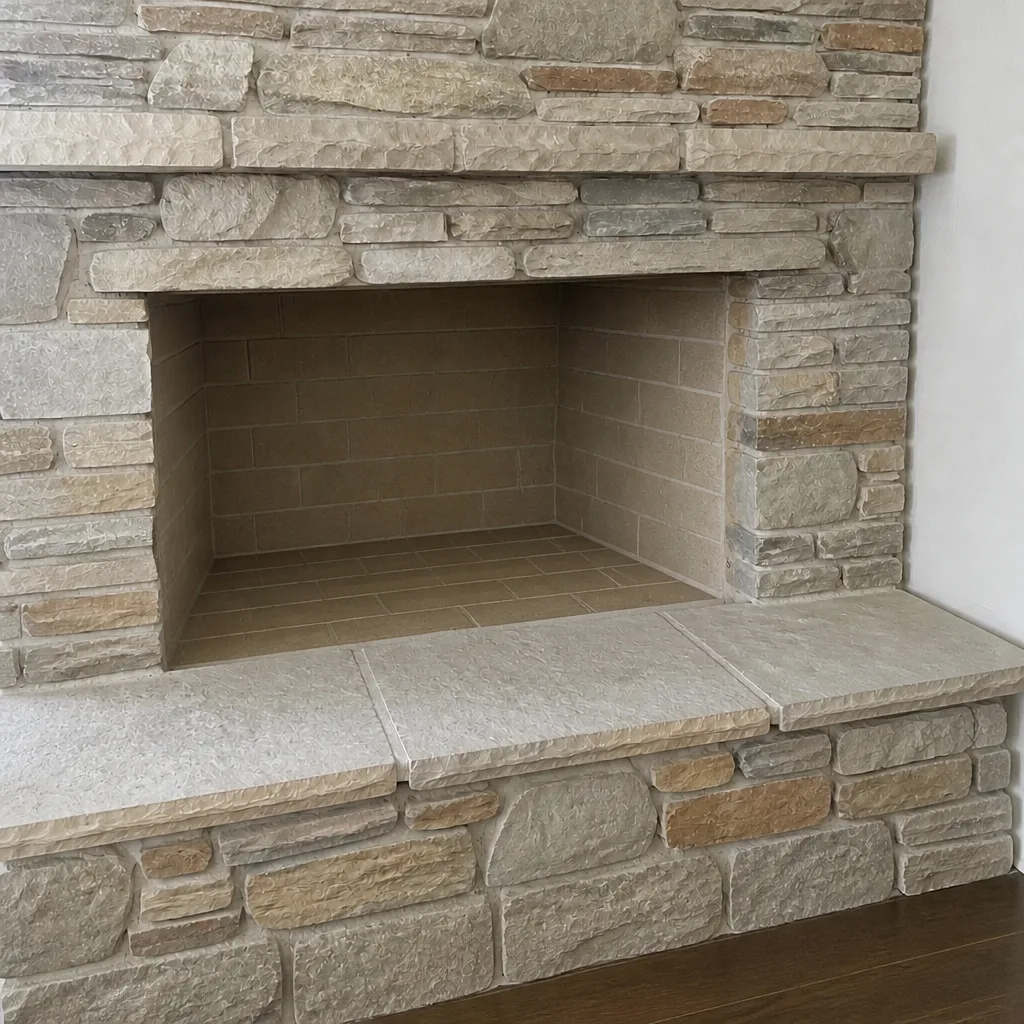
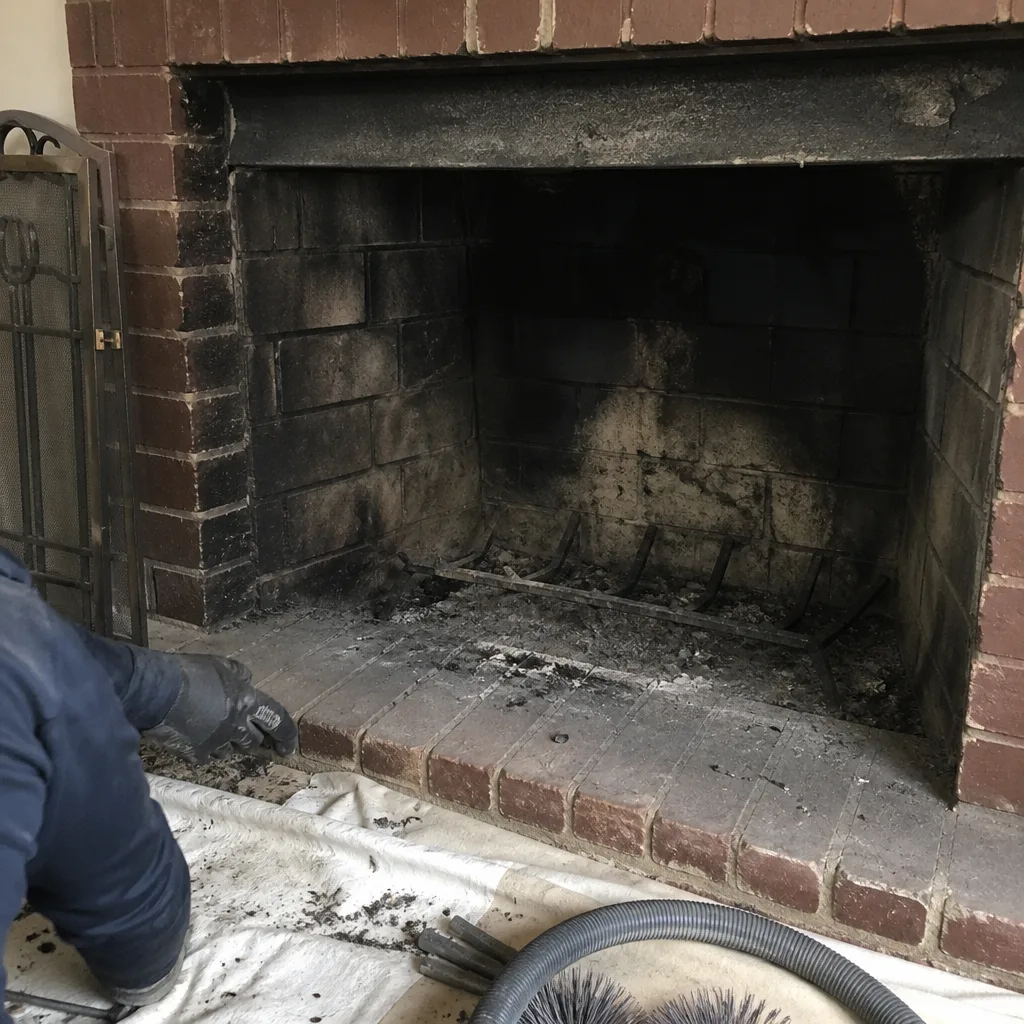
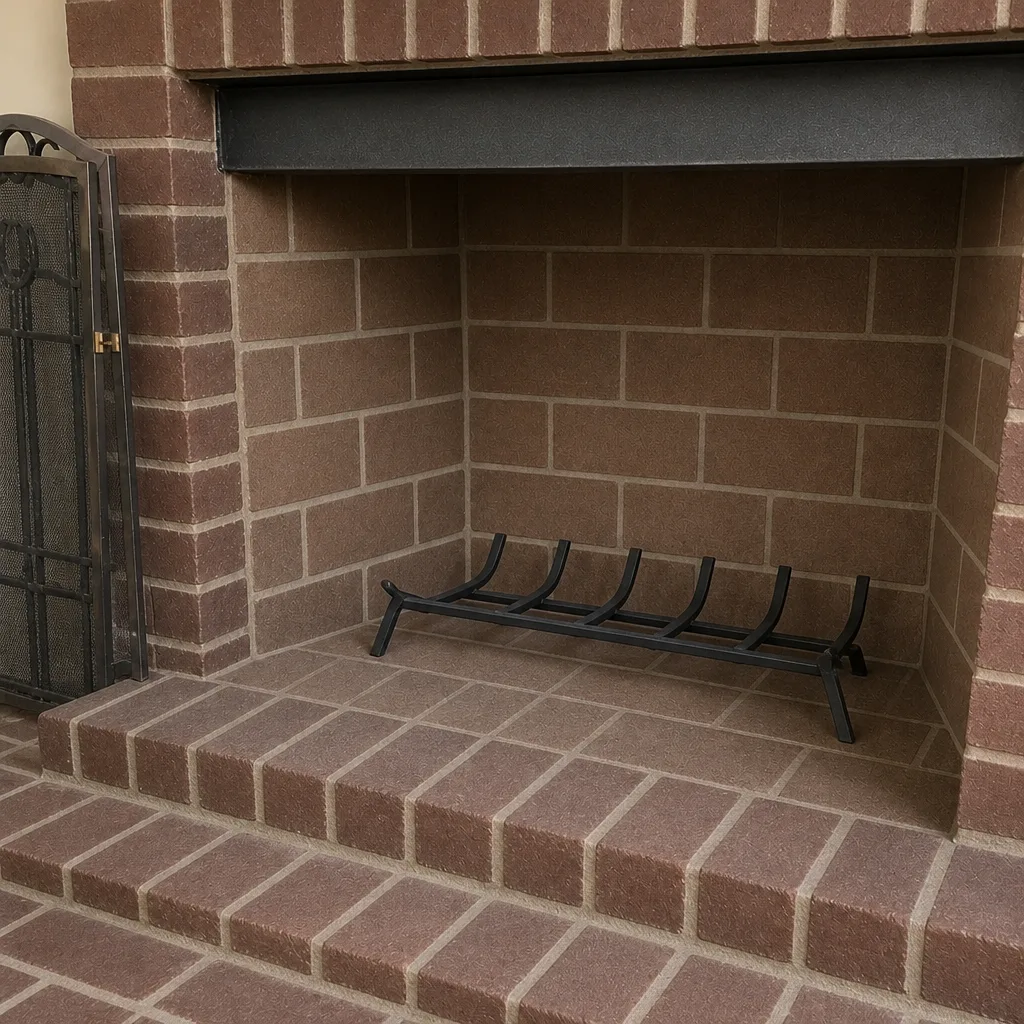
See the difference
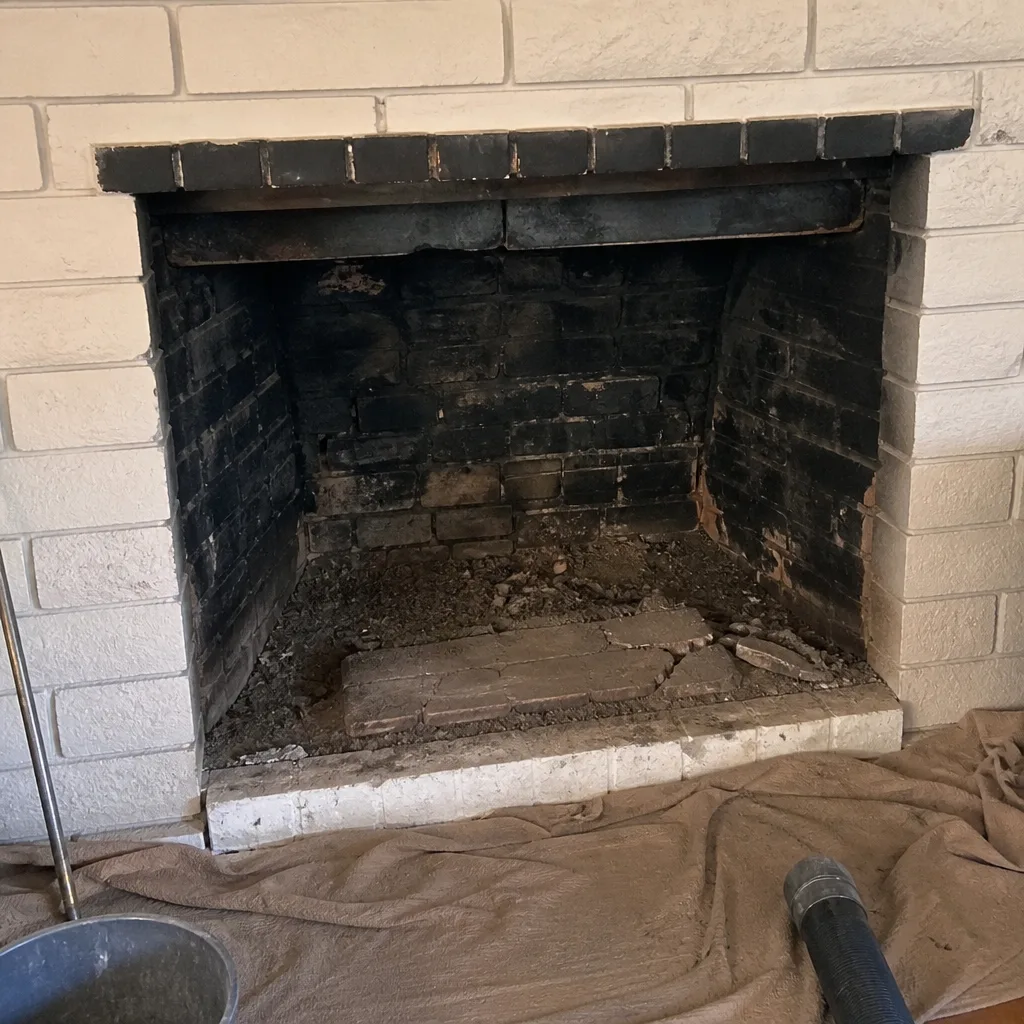 Before
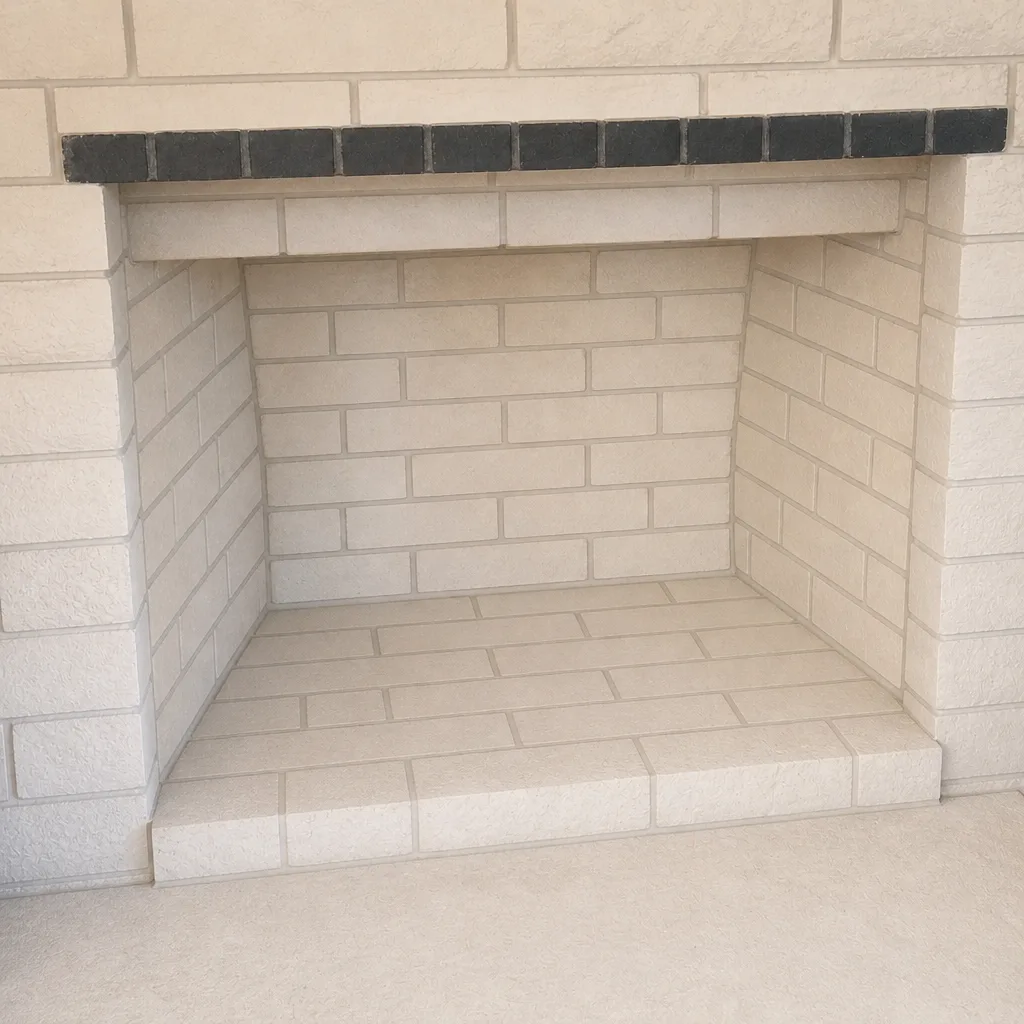 After
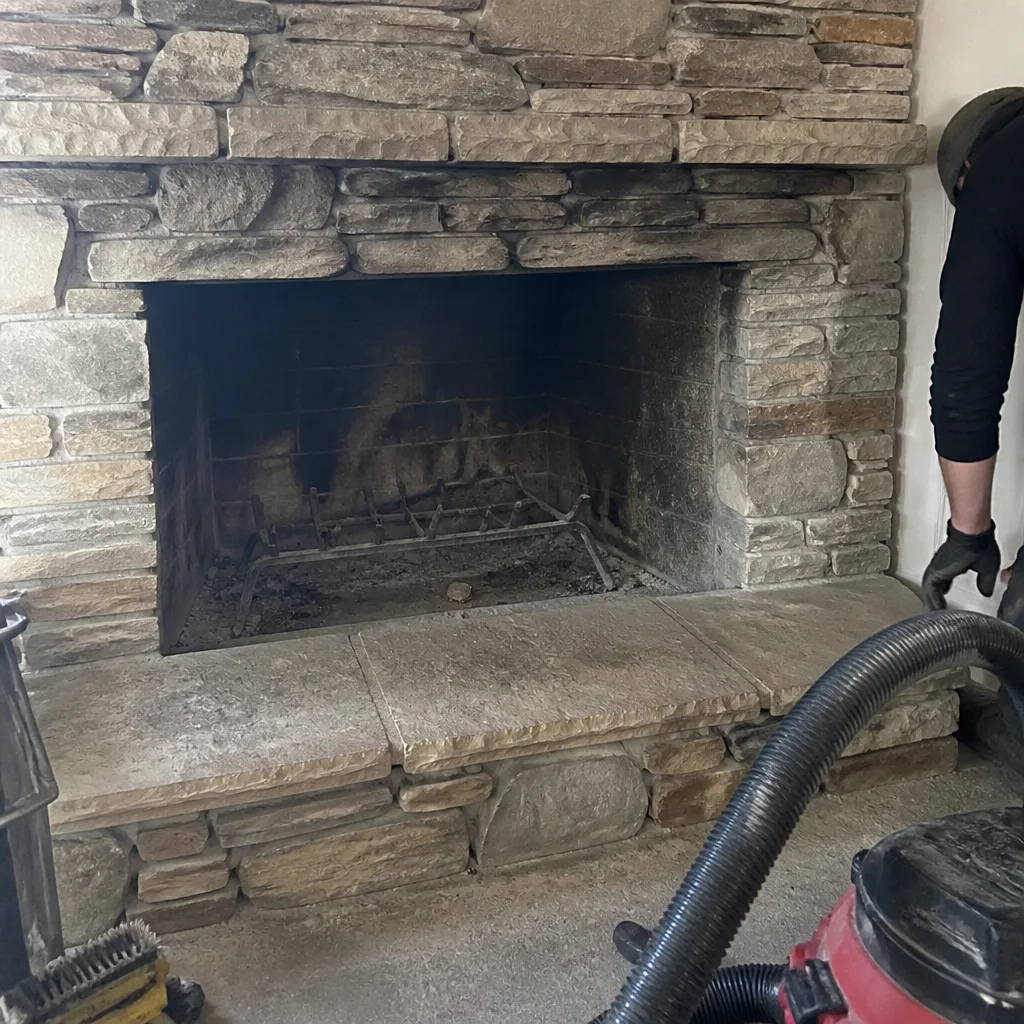 Before
 After
 Before
 After
When to Call a Professional
Call us when you’ve seen visible signs of chimney wear: a loose or missing cap, a cracked crown, water in the firebox, staining on the exterior, or a blocked flue. Call if you’ve just moved into a Granada Hills home and don’t know when the chimney was last serviced, or if you’re buying or selling a home and need a standalone inspection. Call after a nearby wildfire event. And call if you’re simply due for the pre-burn sweep before the first fire of the season. Chimney Sweep Granada Hills offers free estimates in Granada Hills. Call (855) 774-3956. We answer 24/7. Fast dispatch from 7am to 7pm, Sunday through Friday.
Frequently Asked Questions
For a home that burns regularly, an annual sweep before the burning season is the right cadence, and for homes that burn heavily it may need attention sooner. The pre-burn sweep is the anchor: get that done, and the other windows become spot checks rather than full services. If your fireplace is rarely used, an inspection once a year is still worth it because the chimney accumulates debris through the dry months regardless of how often you burn. Call (855) 774-3956 for an exact quote, and the estimate is free.
Skipping it usually lets small problems grow: a cracked crown that lets in water, a loosened cap that lets in animals, or creosote that builds over a season of burning. We inspect before we recommend, so when we find a problem we can show you the camera evidence. If nothing is wrong, we tell you that too, and tell you what can safely wait. Call (855) 774-3956 if you want a check before the season begins.
A liner can often be restored with HeatShield resurfacing rather than fully replaced, but it depends on the condition the camera shows. That’s why we inspect and show you the images before recommending anything. If resurfacing will hold, you don’t need replacement, and if replacement is the right call, you’ll see why. Call (855) 774-3956 for a free estimate and a straight answer.
Yes. Wind-blown ash and embers can drift into the flue and smoke chamber even if the fireplace has been idle for months, and the fireplace can look clean from the living room while the chimney is not. A professional inspection is the only reliable way to check. Call (855) 774-3956. We answer 24/7. Fast dispatch from 7am to 7pm, Sunday through Friday.
Because this valley’s dry summer heat opens hairline cracks in mortar and crown, and the concentrated winter rain then finds them. A cap and crown that are working properly prevent most of the water damage before it starts, so we treat them as preventive maintenance rather than repair. If yours are due for a check, call (855) 774-3956 for a free estimate.
Book your pre-burn season sweep before the first fire. Everything else in the seasonal calendar helps, but that sweep is the one that most directly supports safe burning through the year. Our technicians have up to 10 years of experience, and we work with industry-trusted product lines including DuraFlex, HeatShield, Gelco, and Copperfield where a component needs replacing. Call (855) 774-3956 to schedule.
The Bottom Line
Granada Hills chimney care isn’t a copy of the Northeast’s four-season advice. It’s four risk windows shaped by dry heat, concentrated rain, wildlife, and burning season: the post-summer dormancy check, the pre-burn sweep, the mid-rainy-season moisture inspection, and the spring nesting clearance. If you do one thing this year, make it the pre-burn sweep, done before the first fire. Then keep the reference card and use the other windows to catch problems while they’re still small. Our technicians have up to 10 years of experience, and we work across the full chimney lifecycle, from sweep and inspection through cap, crown, and fireplace repair.
Contact
If your chimney is due for seasonal attention, or you want the peace of a professional inspection before the next rain or the next fire, call Chimney Sweep Granada Hills at (855) 774-3956 for a free estimate. Our chimney specialist covers the full range from firebox to crown, so one call covers it. We answer 24/7 and offer fast dispatch from 7am to 7pm, Sunday through Friday. From the firebox to the crown, we inspect before we recommend and build to last, not patch to pass. Our technicians have up to 10 years of experience, and we work with professional-grade product lines including DuraFlex, HeatShield, Gelco, and Copperfield. For fireplace repair and beyond, we’re ready to help. Call (855) 774-3956 to book your seasonal chimney care.
Written by the team at Chimney Sweep Granada Hills.