
Last updated November 22, 2026
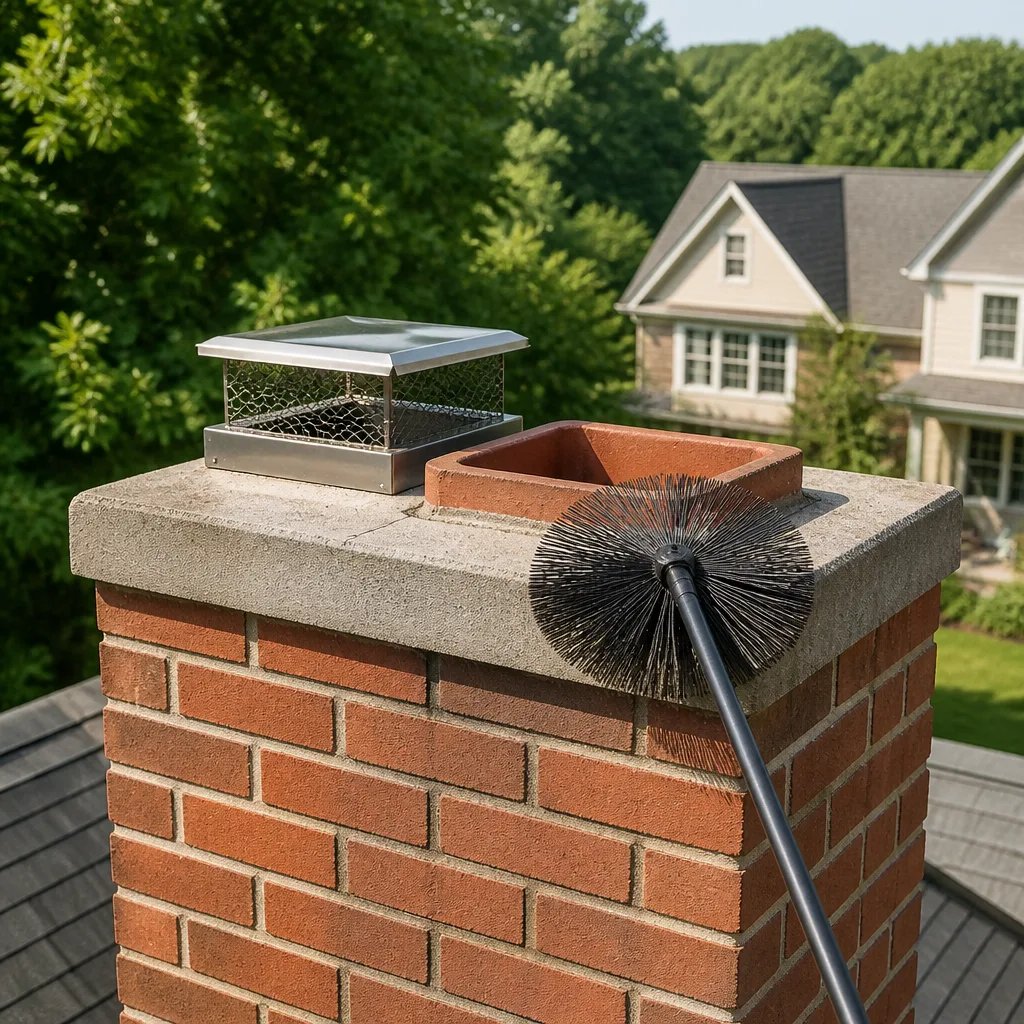 Sweep & inspection
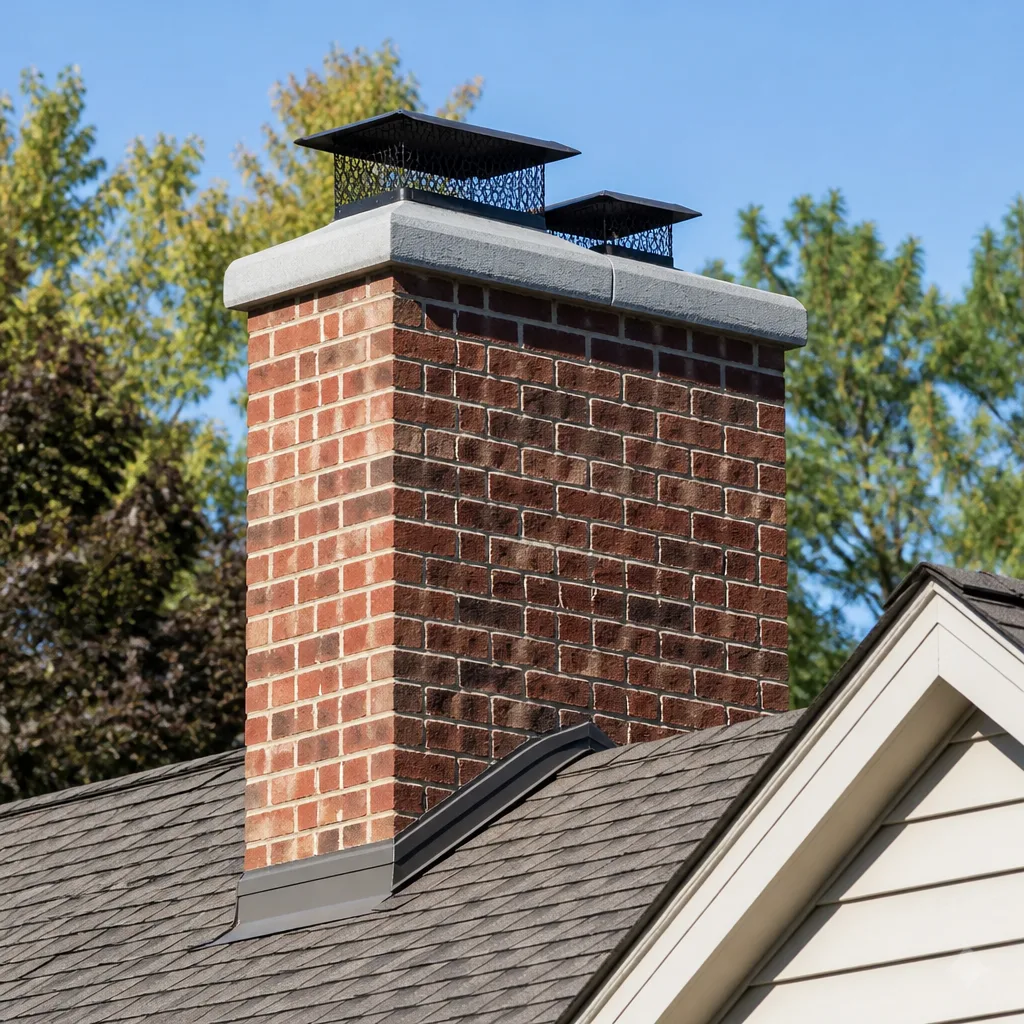 Caps & crowns
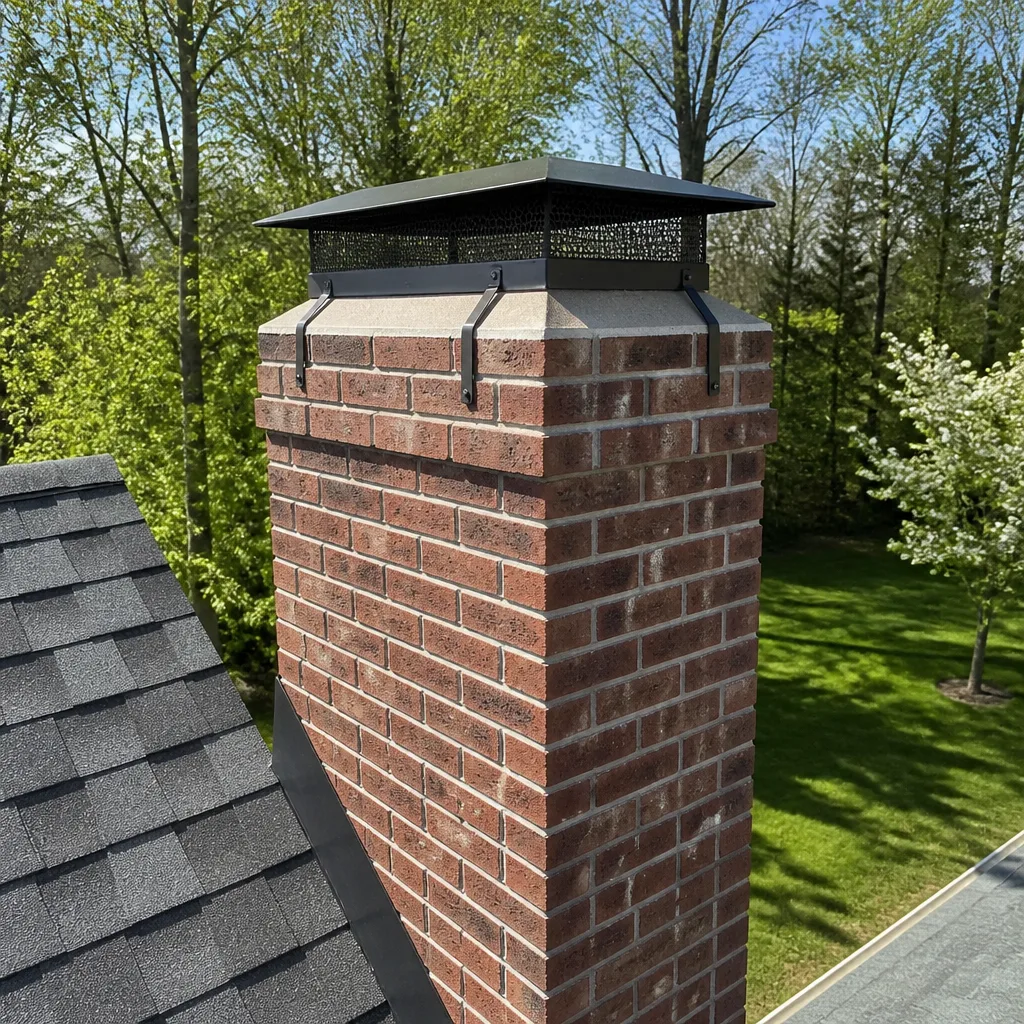 Flue relining
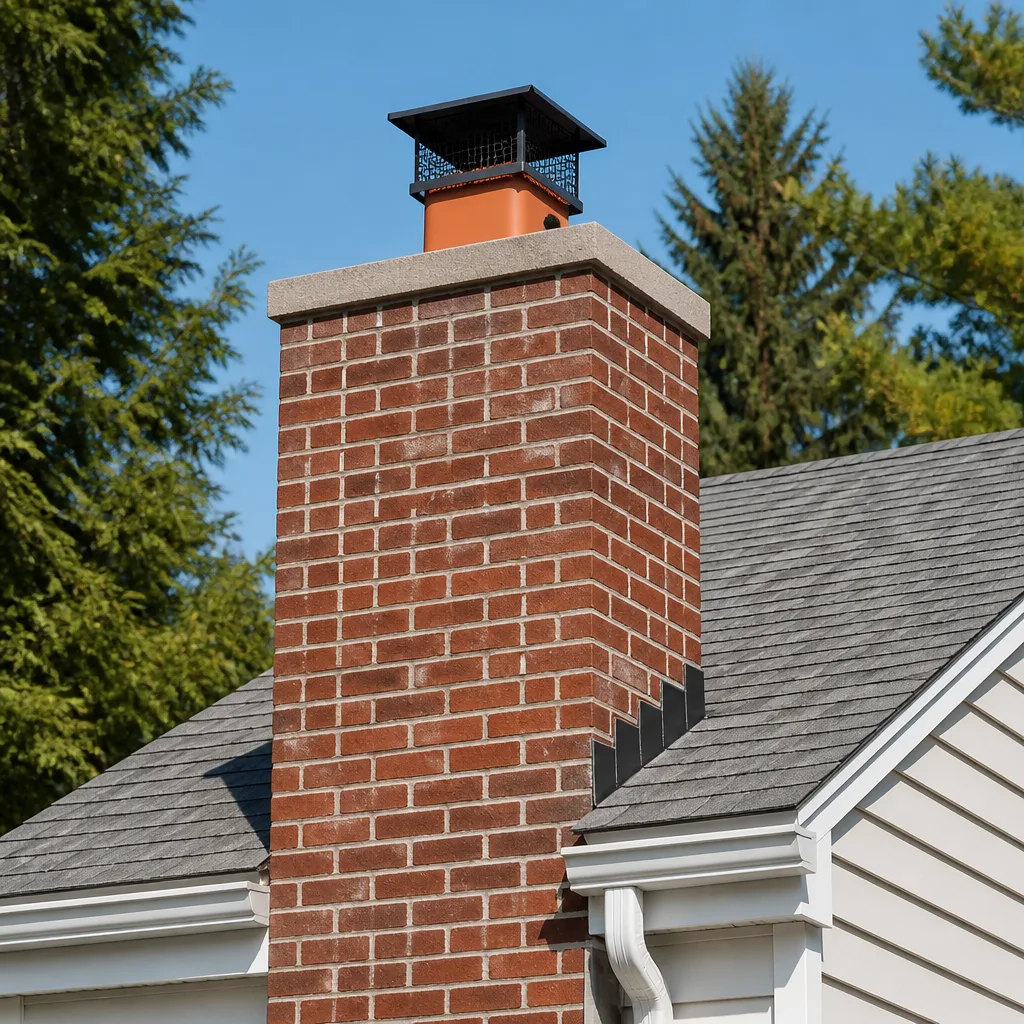 Masonry repair
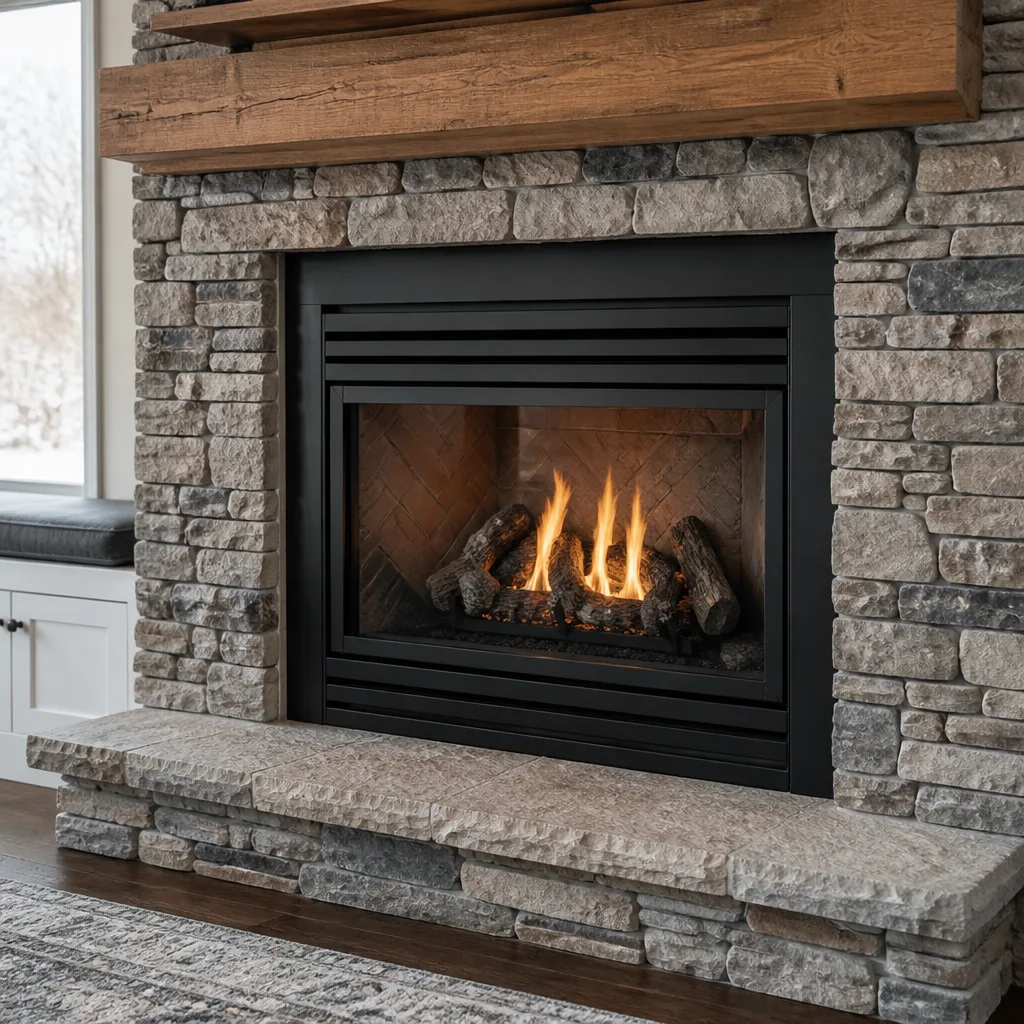 Gas fireplace service
Level 1 sweep and inspection to the NFPA 211 annual standard - flue, crown, cap, and flashing checked and photographed
Chimney sweep logs do not sweep chimneys. They loosen some creosote - which then falls where a brush and vacuum still have to collect it.
Chimney Cleaning Emergency Preparedness Guide for Granada Hills Homes
Most emergency prep advice for Granada Hills homeowners centers on water storage and go-bags. The chimney rarely makes the list. That’s a mistake in this part of the San Fernando Valley. During a Red Flag Warning, a chimney with a deteriorated cap or a failed damper isn’t only a fire hazard from the inside. It becomes an ember entry point from the outside, and that risk almost never appears in standard preparedness guides. Granada Hills sits where wildfire weather and a long history of seismic activity meet, and your chimney is the one part of the house that touches both. This guide covers what to check before fire season, what to do if you suspect a chimney fire, and how to make sure your chimney isn’t the weak link.
Quick Answer
Chimney emergency preparedness in Granada Hills means three things: making sure your chimney cap and damper block wind-driven embers, knowing the correct sequence of actions if a chimney fire starts (call 911 first, close the damper only if the fire is small and contained), and having your chimney professionally inspected before fire season and after any earthquake you feel. A chimney that looks fine can be silently compromised.
Styles & brands we work with
- Sweep & inspection
- Caps & crowns
- Flue relining
- Masonry repair
- Gas fireplace service
Table of Contents
- Why Granada Hills Chimneys Face a Distinct Wildfire Ember Risk
- Structural Checkpoints That Reveal Ember Vulnerability
- If You Suspect a Chimney Fire: Correct Sequence and Mistakes to Avoid
- Post-Earthquake Chimney Protocol
- How a Proper Cap and Damper Give You Passive Emergency Protection
- What to Document Before a Chimney Fire Event
- Building a Chimney Maintenance Calendar for Granada Hills
- When to Call a Professional
Why Granada Hills Chimneys Face a Distinct Wildfire Ember Risk
Granada Hills sits at the north edge of the San Fernando Valley, at the foot of the Santa Susana Mountains. That geography creates a specific exposure pattern: when Santa Ana winds push through the passes, they carry burning embers from brush fires miles away. Embers don’t stay airborne forever. They land on roofs, in gutters, and inside chimney flues. A clay tile flue with a cracked lining or an open-top cap gives a wind-driven ember direct access into your home’s interior. That’s why the condition of your chimney matters as much as the defensible space around your house.
The ember entry problem is what most wildfire prep advice misses, and in our experience it’s the first thing homeowners should look at. A spark screen that’s rusted through or a cap that’s been bent by a past windstorm stops doing its job quietly. It sits on the roof looking functional until a wind event tests it.
Granada Hills has a wide mix of housing stock, including mid-century homes with original masonry chimneys alongside newer construction using prefabricated metal systems. Both types need the same basic ember protection: a cap with correctly sized screening, a flue in sound condition, and no path for debris to enter the flue from above. The good news is that most of these fixes are straightforward. A professional-grade cap from a brand like Gelco or Famco is designed specifically for wind resistance and ember screening, and installing one is a small job compared to the cost of a roof repair after an ember finds a gap.
Understanding the Chimney Sweep Granada Hills service scope helps you see where inspection fits against the other work.
Structural Checkpoints That Reveal Ember Vulnerability
Before fire season, walk the exterior of your chimney and check these specific points. You don’t need to get on the roof to make a useful assessment, but some of these require a professional inspection to confirm.
- The cap and spark screen. Look for holes, rust-through, missing screens, or a cap that’s tilted. A cap that’s dislodged is an open ember path. Replace it before wind season.
- The crown. The concrete or mortar cap at the top of a masonry chimney sheds water and keeps debris out of the masonry. A crown with visible cracks, erosion, or separation from the flue allows water into the chimney and degrades the interior lining over time.
- Line visible from the ground. Look for cracks in the topmost portion of a tile flue, or rust streaks on a metal flue exterior. Both indicate a worn lining that embers or heat can exploit.
- Mortar joints on the exterior stack. Receding or crumbling joints between masonry units mean the chimney structure is losing integrity. That’s a durability issue, and it’s also a pathway for wind-driven material.
- Damper operation. A damper that won’t close fully or that’s stuck open means your chimney lets air and debris in year-round. It’s an airflow problem, an energy problem, and a wind event problem.
- Any smoke escaping. If a fire smokes back into the room, the draft is compromised, and the likely cause is a blockage or a structural failure. Get that assessed before you burn again.
In Granada Hills, the specific worry is that these checkpoints get ignored for years because the chimney sits high up and away from daily view. The walkway can look clean and the roof can be unremarkable, but the top of the chimney is where the failure starts. An inspection before fire season gives you a documented baseline. That baseline matters after the fact as much as before it.
If You Suspect a Chimney Fire: Correct Sequence and Mistakes to Avoid
Chimney fires don’t always announce themselves with a roar. A low, rumbling sound, a sudden and intense flue smell, or black smoke with a puffy texture can all indicate one. So can glowing from the top of the chimney. When these are present, act quickly and correctly.
- Get everyone out of the house and call 911. A chimney fire can spread into the structure before you realize how serious it is. Emergency responders are the first call, not the second.
- Don’t spray water into a hot flue. This is the most common mistake. On a masonry chimney, cold water on superheated flue tile can crack it. It can also send a violent steam and soot mixture into the room.
- If the fire is small and the damper closes cleanly, close it. Starving the fire of oxygen is the standard approach, but it only works if the damper will move. Don’t force a stuck damper, and don’t reach into a hot firebox.
- Put a physical barrier around the chimney. Small embers can escape the top, so keep people and combustible items away from the exterior of the chimney while the fire is active.
- After the fire department clears you, call a chimney specialist for an inspection. No one should burn again until the flue and structure have been evaluated. A chimney can look intact after a fire and have a cracked or delaminated lining.
One thing we see in our work is that homeowners try to check the flue by looking up from the firebox with a flashlight. That doesn’t reach far enough, and it doesn’t tell you whether the lining is intact. A camera inspection is the only way to see the full length of the flue. It’s the same reason we inspect before we recommend: recommendations come from what the camera shows, not from a guess.
Familiarity with chimney sweep services helps you understand what the post-fire assessment will cover.
Post-Earthquake Chimney Protocol
After a felt earthquake in Granada Hills, the most important step is the one people skip: don’t light a fire until the chimney has been inspected. The reason is that masonry and prefabricated chimneys can sustain structural damage that’s invisible from inside the house. A chimney can look perfectly intact from the firebox and even from the ground, and still be unsafe. This is the actual risk after an earthquake, not the visual appearance of the stack.
What happens after a quake, broadly: masonry can crack at the mortar joints, the flue liner can crack or separate from the surrounding structure, and the chimney-to-house connection can weaken. Prefabricated systems have their own failure points, including joints that shift. None of this is reliably detectable by eye. Older masonry chimneys, particularly those without modern reinforcement, are more susceptible. But every chimney should be evaluated after a significant quake.
The protocol we recommend:
- Inspect from the ground after the shaking stops. Look for obvious separations, pieces on the roof, or a leaning stack. If you see any of these, don’t burn and call a professional immediately.
- Even if everything looks normal, treat the chimney as unverified until inspected. That means no fires until then.
- Check the connection between the chimney and the house structure, especially where it passes through the roof and ceiling. A gap or separation is a signal to stop.
- Schedule an inspection after any significant earthquake that you felt. This is one of those cases where the inspection is a standalone service, and you don’t need a full cleaning appointment to get the assessment.
Granada Hills sits in a seismically active region, and after a major regional quake, chimney demand will spike. Homeowners who have their chimney inspected and documented beforehand are in a better position to distinguish a genuine problem from a cosmetic one. That’s part of why we offer inspection as a standalone service: assessment after a quake, a storm, or before a home sale shouldn’t require buying a cleaning package you may not need.
How a Proper Cap and Damper Give You Passive Emergency Protection
The chimney cap and damper are passive protection. They do the work without you thinking about them, and that’s exactly the value during a high-wind or wildfire event when hands-on management isn’t possible. A cap with correctly sized screening stops wind-driven embers and debris from entering the flue. The damper controls airflow, keeping your interior isolated from the exterior when you’re not burning.
What separates a properly installed cap from one that fails a wind test comes down to materials and fit. A cap that’s too small for the flue opening, or that’s attached loosely, can be lifted or bent by Santa Ana winds. The professional-grade caps we work with, including Gelco and Famco, are built for this climate and are sized to your specific flue. Both of those points matter more than the product name on the box.
Damper condition matters for the same reason. A damper that no longer closes means your chimney is an open channel year-round. That’s an obvious fire hazard during a burning event, but it’s also an ember hazard during a wind event and an efficiency problem all year. A damper that sticks or won’t seal is worth fixing before the next fire season, not after.
This is where our chimney cap & crown work comes in. A cap and crown installation is preventive work that addresses the root causes of water intrusion and ember entry at the top of the chimney. It’s one of the first things we look at when we assess a Granada Hills home, because it’s the highest-leverage improvement for most chimneys and it protects the interior of the flue before a problem develops.
If you’re repairing draft issues, fireplace repair is the place to start.
What to Document Before a Chimney Fire Event
Insurance claims for chimney fire damage go much more smoothly when you’ve documented the condition of the chimney before the event. If a fire or an ember-driven incident damages your house, the insurer will want to know the pre-loss condition. A professional inspection report, photos, and maintenance records make that straightforward. Without them, you may spend months arguing about what was already damaged and what wasn’t.
What to have ready:
- A professional inspection report from before fire season, including the date and the inspector’s findings. This establishes the pre-event condition of the flue, cap, and structure.
- Photos of the chimney exterior, the firebox, and the damper, taken at the same time as the inspection.
- Records of any chimney work performed, including cap and crown installation and any liner or resurfacing work. Keep the receipts and the product documentation.
- A list of the chimney’s component brands and installation details. DuraFlex liners, HeatShield resurfacing, Olympia Chimney components, and similar products all have specific installation requirements, and that information is useful to a claims adjuster and to whatever specialist does the repair.
- A simple maintenance log with dates of cleaning, inspection, and any repairs. This is the document that most homeowners don’t have and that makes the biggest difference.
In our experience, the strongest position a Granada Hills homeowner can be in after a chimney-related event is having a current inspection report on file. It’s a modest investment of time and it answers most of the questions an insurer will ask.
Building a Chimney Maintenance Calendar for Granada Hills
A calendar is more useful than a to-do list because it puts the work where it belongs on the year. Granada Hills has a mild climate and a clear fire season, so the schedule is straightforward: inspect before fire season, sweep based on use, and re-inspect after any earthquake or major storm.
- Early spring. Schedule a sweep and inspection after the burning season ends. Getting the soot and creosote out now means the chimney sits clean through the dry months.
- Before fire season. Do the exterior walkthrough described earlier. Check the cap, crown, and visible flue. Replace a damaged cap now, before wind events start.
- Annually, or after roughly a cord of wood. Sweep frequency depends on how much you burn. Heavy use means more frequent sweeps. Light use may mean every other year. A professional can tell you which applies to your fireplace.
- After any felt earthquake. Book a standalone inspection before you burn again.
- After a major wind event. Check for a dislodged cap or debris on the roof, and look for any change in the exterior of the stack.
- Before buying or selling a home. A standalone inspection gives the buyer and seller a factual basis for the transaction. This applies across the Granada Hills housing market, from the older homes near the foothills to newer construction.
The whole calendar is built on one principle: fix the root cause before it becomes a repair. A cap and crown addressed in the spring is a much smaller job than a chimney interior rebuilt after a season of water intrusion and ember exposure. That’s the preventive-care philosophy we work from. Cleaning soot is the visible part of chimney care. The work that prevents an emergency happens at the top of the flue, on the crown, and in the liner.
When to Call a Professional
Call a specialist when the chimney shows any of the warning signs above, but also in a few situations that don’t involve a visible problem. If you’ve felt a significant earthquake, call for an inspection before you burn again. If a wind event has damaged or dislodged your cap, get it replaced before fire season. If you’re buying or selling a home in Granada Hills, a standalone inspection gives you the facts you need for the transaction. If you’ve never had the chimney inspected and you use the fireplace regularly, start there. And if you suspect a chimney fire has occurred, get the flue inspected before the next fire, whatever you think you saw.
Chimney Sweep Granada Hills offers free estimates in Granada Hills. Call (855) 774-3956. We answer 24/7. Fast dispatch from 7am to 7pm, Sunday through Friday. Our technicians have up to 10 years of experience, and our inspections include a camera inspection and photo report so you can see exactly what we see. Nothing gets recommended without evidence you can review yourself, and we’ll tell you plainly when work can safely wait.
See the difference
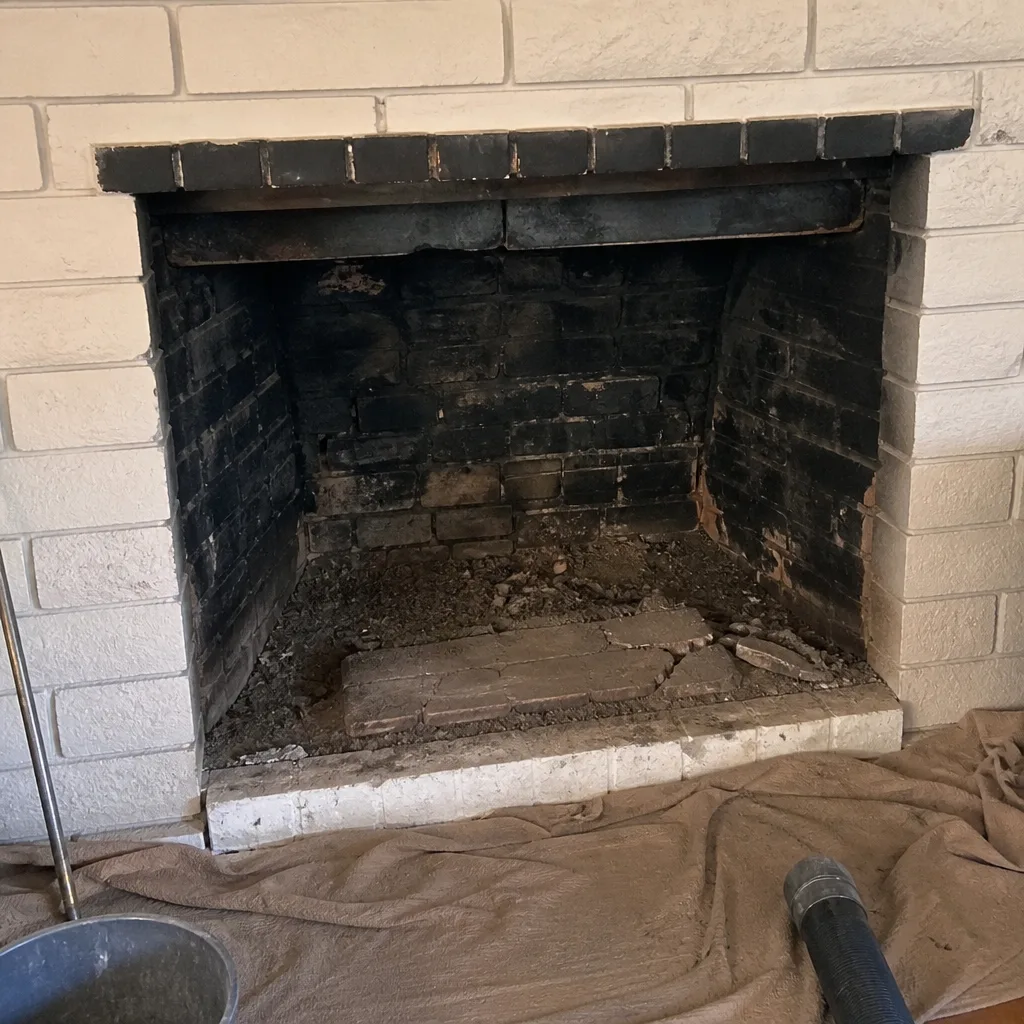 Before
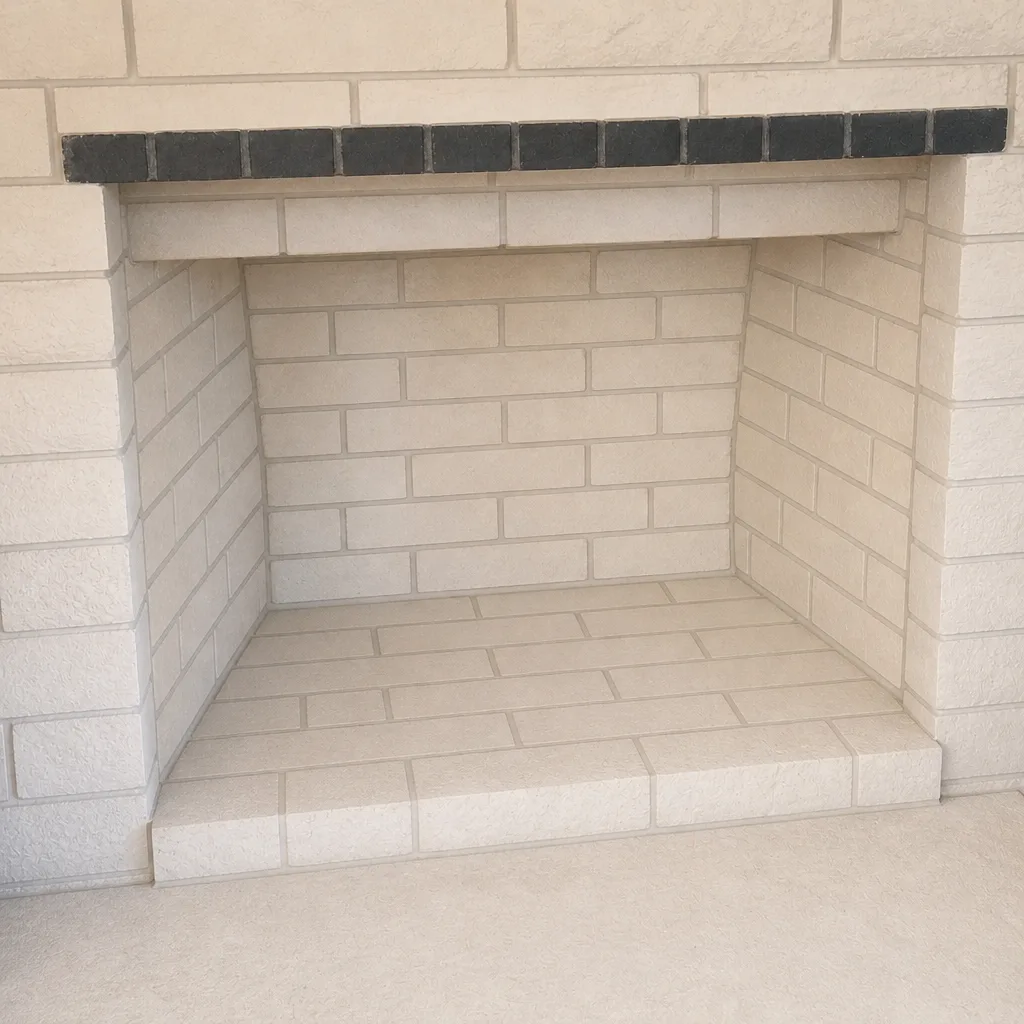 After
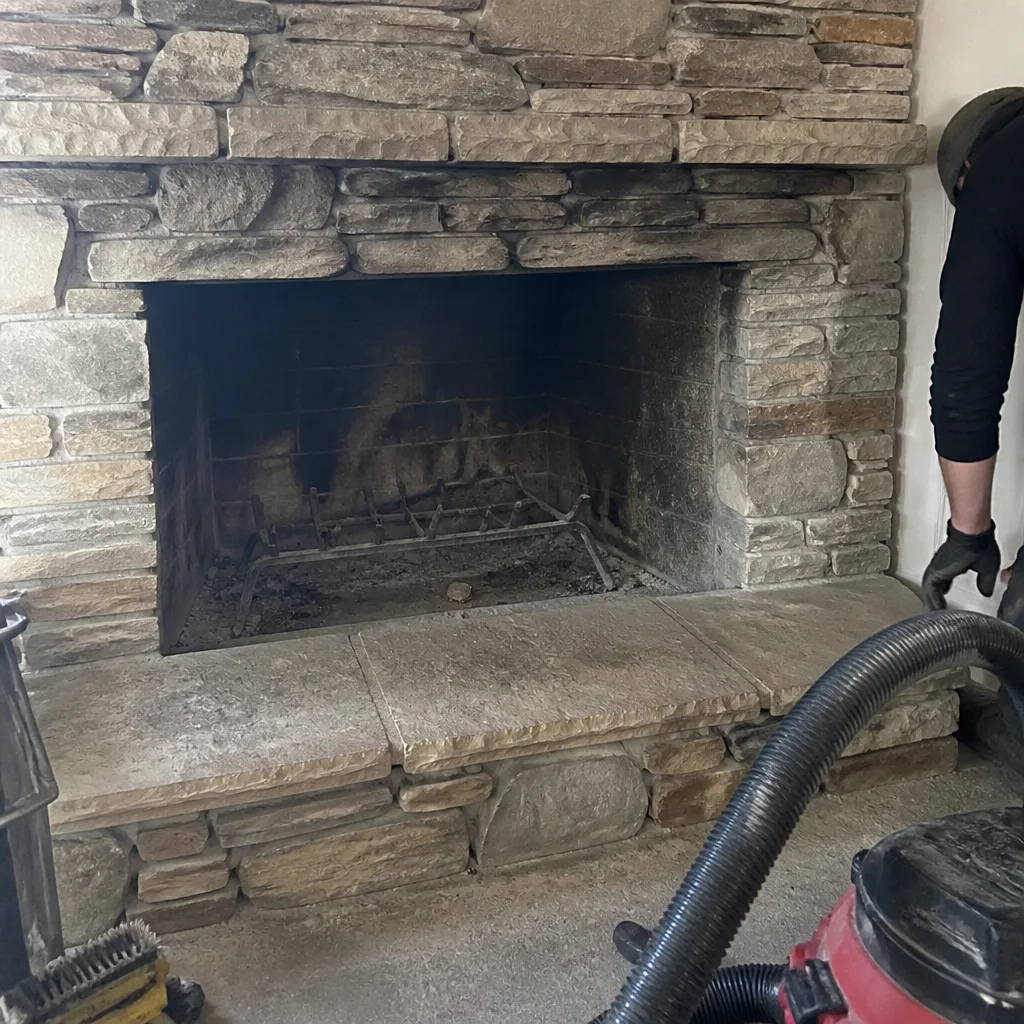 Before
 After
 Before
 After
Frequently Asked Questions
Check your cap and spark screen for damage, confirm the damper closes fully, and get a professional inspection before fire season. The key checkpoint is the cap and screen: a damaged or missing screen lets wind-driven embers into the flue. Call (855) 774-3956 for an exact quote – estimates are free.
Get everyone out of the house and call 911 first. Then, if the fire is small and the damper closes cleanly, close it. Don’t spray water into a hot flue, don’t reach into a hot firebox, and don’t burn again until a professional has inspected the chimney. Call (855) 774-3956 to book the inspection – estimates are free.
Yes. Earthquakes can crack a flue liner or weaken masonry joints without any visible sign from inside the house or from the ground. The actual risk is using it before inspection. Any chimney in Granada Hills that has been through a felt earthquake should be inspected before the next fire. Call (855) 774-3956 to schedule – estimates are free.
Yes, a properly installed cap with correctly sized screening is your main barrier against wind-driven embers entering the flue. Fit and materials matter as much as the cap itself, which is why we size caps to the specific flue using professional-grade products. Call (855) 774-3956 for an assessment – estimates are free.
Most chimneys need sweeping annually, or after roughly a cord of firewood. If you burn rarely, less frequent sweeps may be appropriate, and heavy use means more often. An inspection tells you what your specific chimney needs rather than guessing. Call (855) 774-3956 for an exact quote – estimates are free.
Keep a current professional inspection report, dated photos of the chimney interior and exterior, and records of any prior cap, crown, liner, or resurfacing work. These documents establish the pre-event condition of the chimney, which is what an adjuster needs. Call (855) 774-3956 to book an inspection that gives you that record – estimates are free.
Common Mistakes to Avoid
- Ignoring the cap because it looks fine from the ground. Caps fail at the mounting points and the screening, and those don’t show up from a distance. Get on the roof or have it inspected.
- Lighting a fire after an earthquake without an inspection. This is the most serious mistake on the list. Visible appearance tells you almost nothing about structural condition after shaking.
- Spraying water into a chimney fire. Cold water on a superheated tile flue can crack it and send steam and soot into the room. Get out and call 911.
- Treating a chimney inspection as part of a cleaning package only. A standalone inspection is appropriate after a quake, a storm, or before a home sale. You don’t need to wait for cleaning.
- Fixing a leaking crown with a quick patch. A patch that doesn’t address the root cause fails again, usually within a season or two, and the water damage continues underneath.
- Skipping the post-season sweep. Creosote left over the dry months is the fuel source for a fire when you light again in the fall.
- Documenting nothing. No inspection report, no photos, no maintenance log. This is the mistake that costs the most when an insurer asks for pre-loss condition.
The Bottom Line
Emergency chimney preparedness in Granada Hills comes down to understanding how the chimney interacts with the region’s specific risks: wildfires, earthquakes, and Santa Ana wind events. A cap and damper in good condition stop embers from entering from the outside. A pre-fire-season inspection tells you whether the flue and structure can handle a fire season. Post-earthquake inspection keeps you from burning into a hidden structural failure. Documentation gives you a defensible claim if something goes wrong. The work that prevents an emergency is the work done before it. Call (855) 774-3956 for a free estimate. We answer 24/7. Fast dispatch from 7am to 7pm, Sunday through Friday.
Written by the team at Chimney Sweep Granada Hills.