
Last updated November 22, 2026
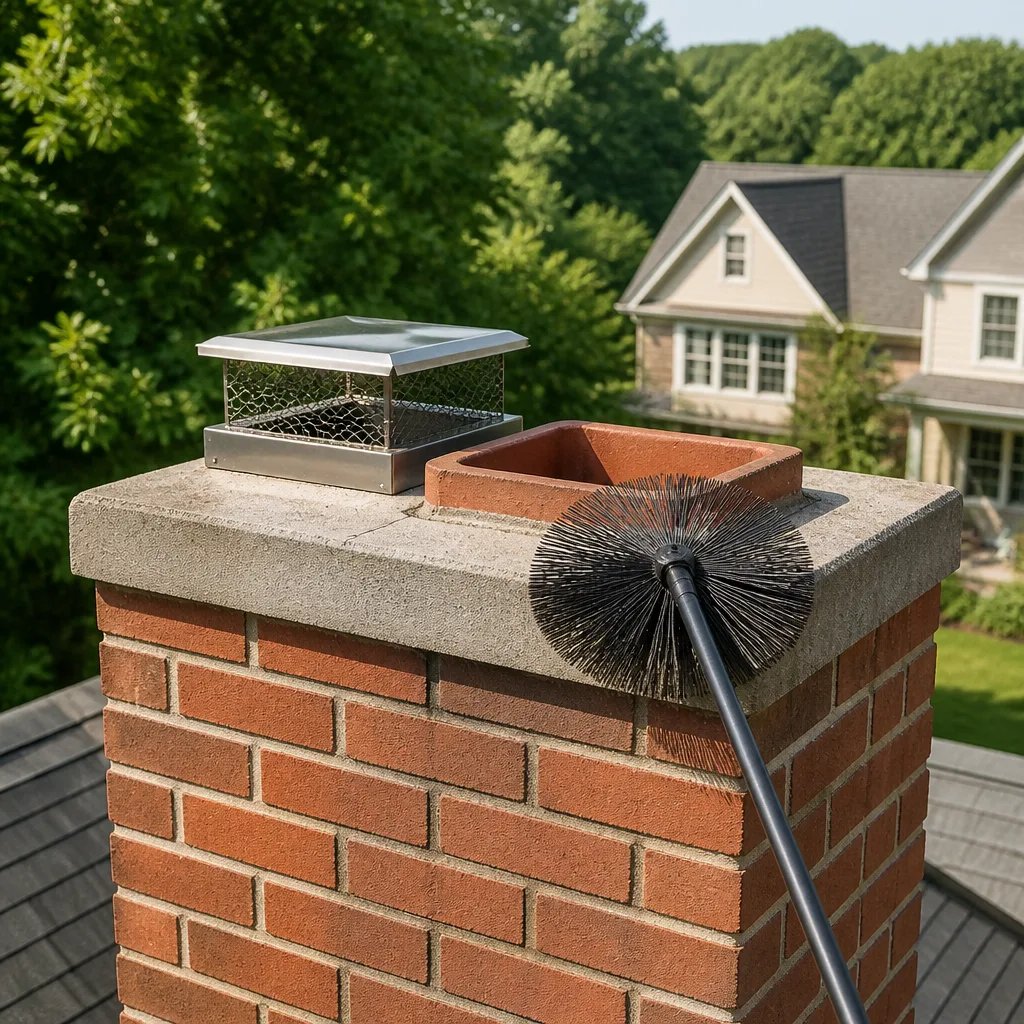 Sweep & inspection
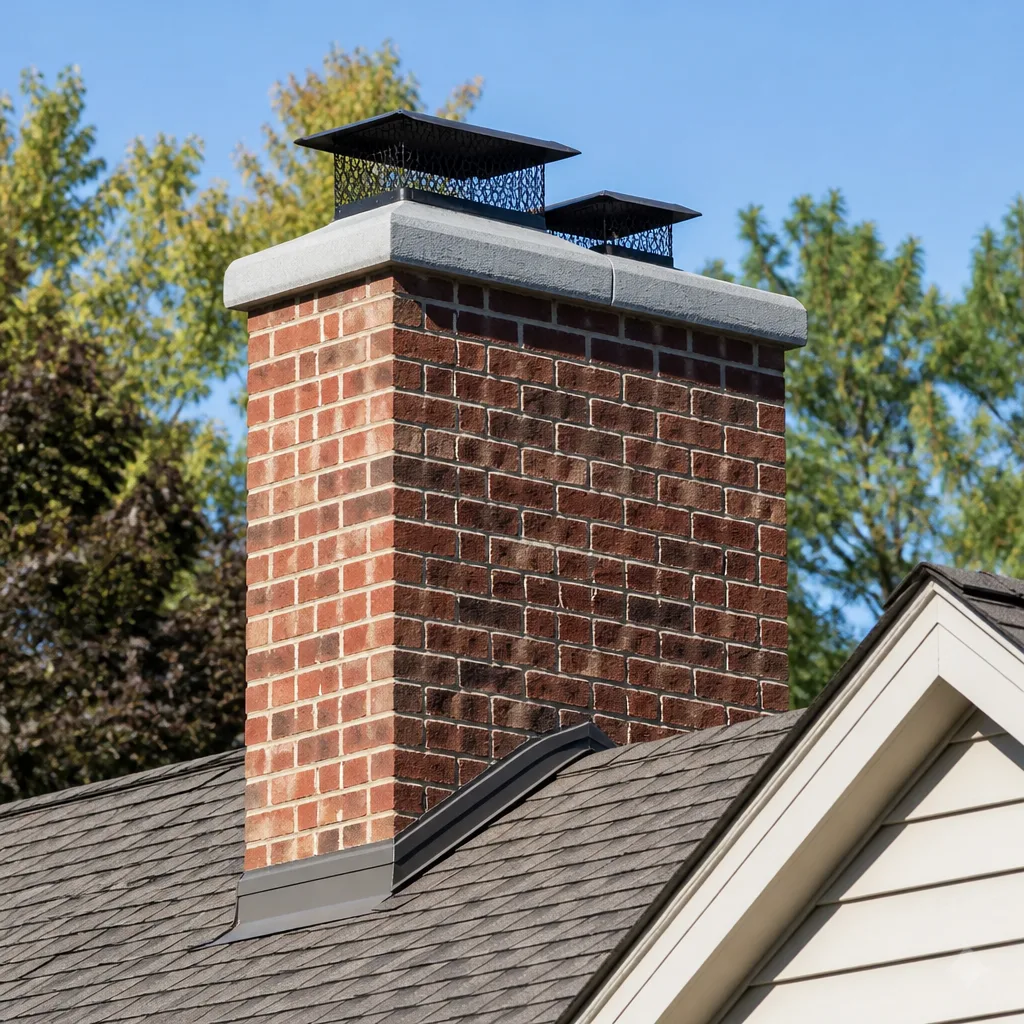 Caps & crowns
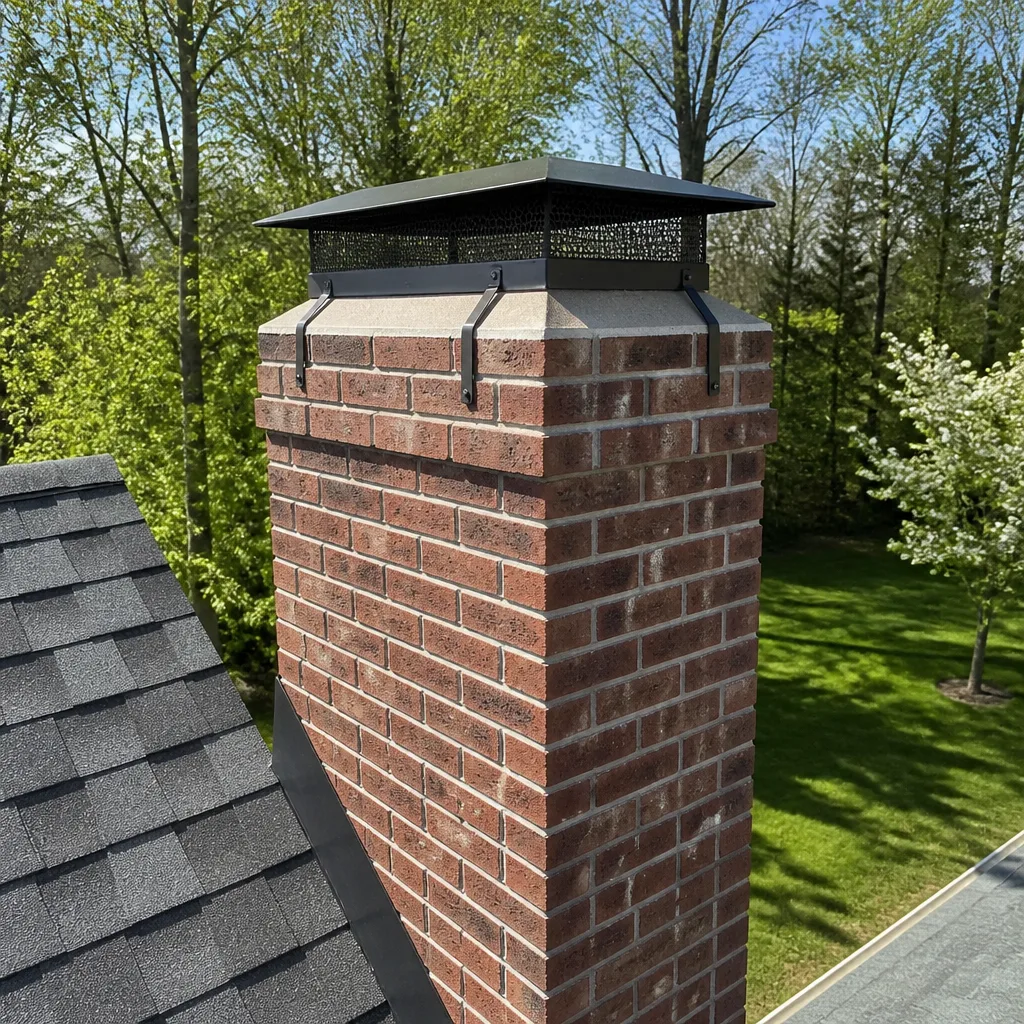 Flue relining
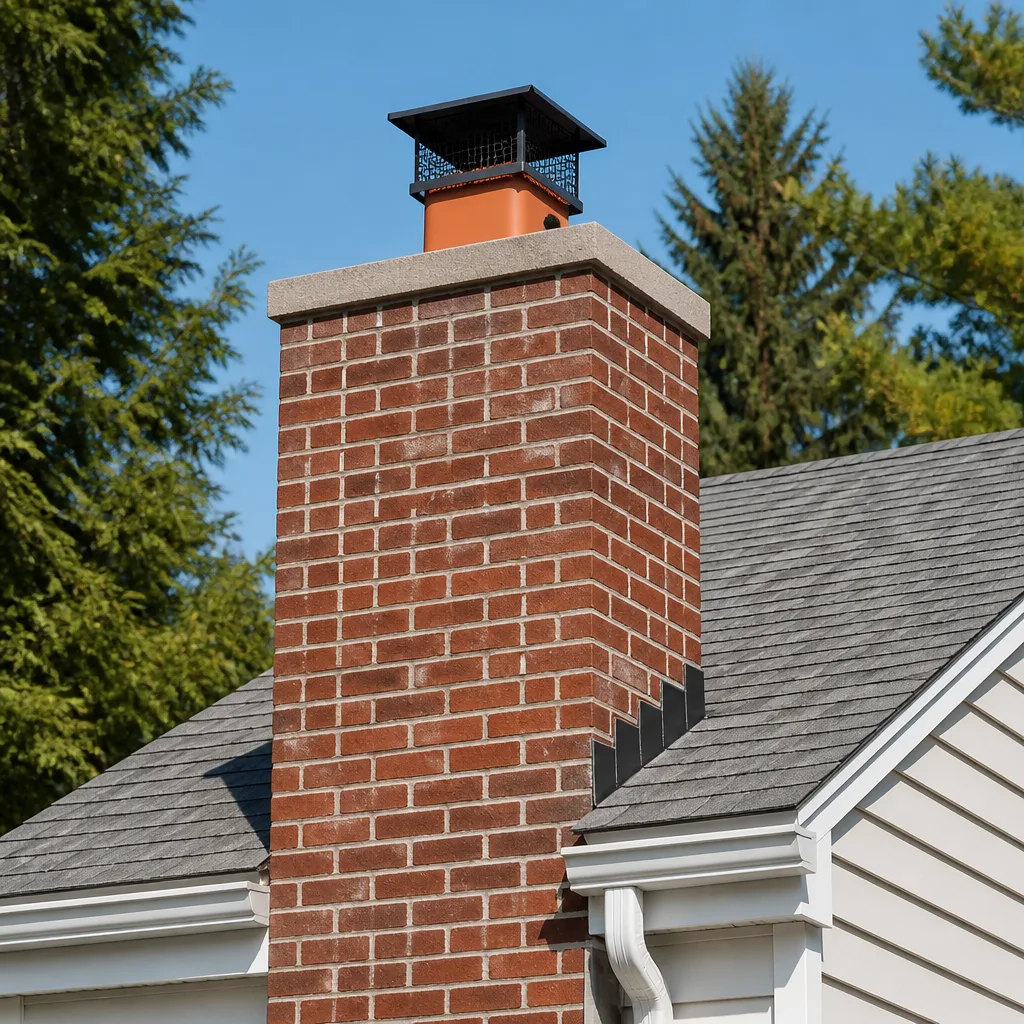 Masonry repair
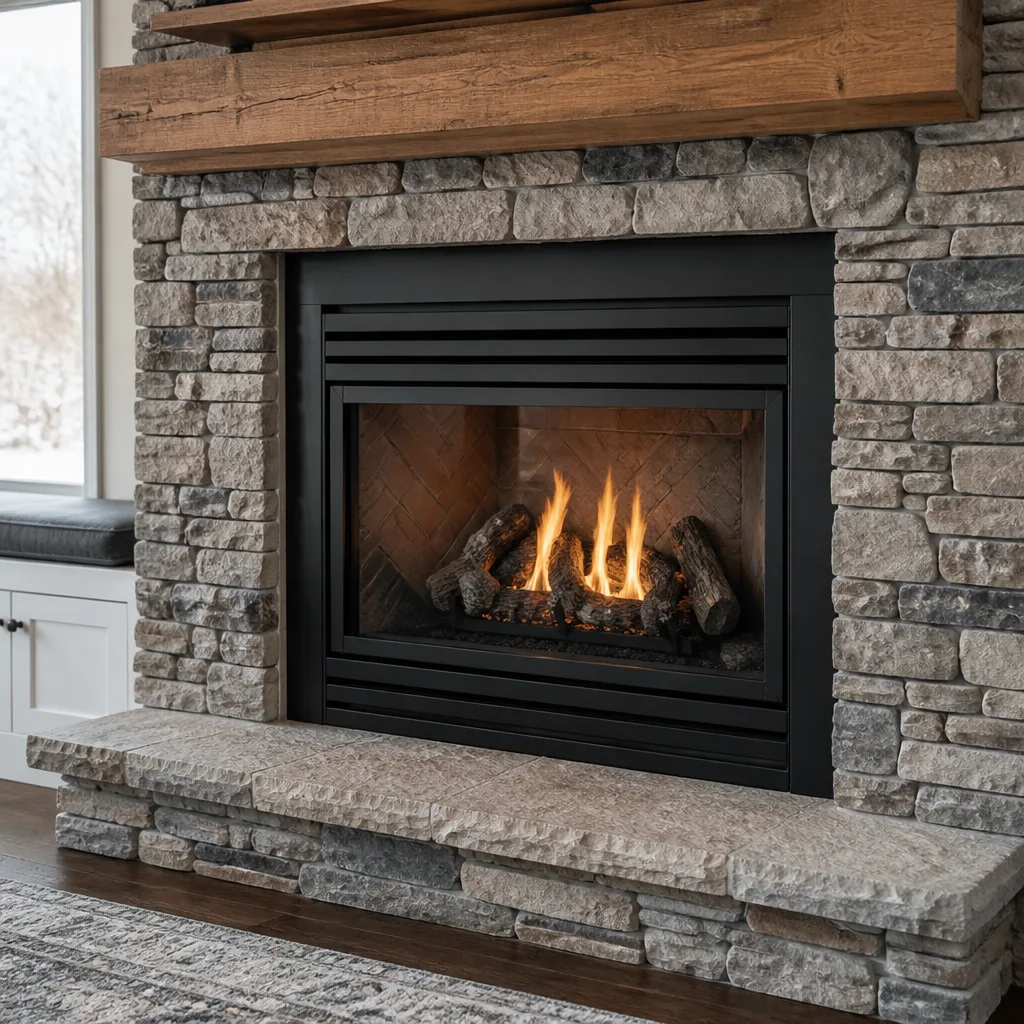 Gas fireplace service
Level 1 sweep and inspection to the NFPA 211 annual standard - flue, crown, cap, and flashing checked and photographed
Chimney sweep logs do not sweep chimneys. They loosen some creosote - which then falls where a brush and vacuum still have to collect it.
Chimney Sweep Maintenance Checklist for Granada Hills Homeowners
Fall-only chimney advice is the most common reason Granada Hills homeowners get surprised by a problem they could have caught months earlier. A calendar-based schedule ignores the three things that actually stress a chimney in this part of the San Fernando Valley: dry wind events, the long rainless stretch, and the spring nesting window. Each one leaves a mark on your flue or cap that a quick autumn inspection won’t reveal. This guide gives you a checklist organized around those triggers instead of a generic seasonal rhythm, plus what you can safely check yourself and what genuinely needs a technician. You’ll leave with a repeatable system you can run for years, not a one-time to-do list.
Quick Answer
A proper chimney maintenance checklist for Granada Hills should combine routine annual sweeping with event triggers: after the spring nesting window (roughly February to May), before the first burn in fall, after any significant wind event, and once the rainy season ends. Visual checks at the firebox and damper are homeowner-friendly, but the flue interior, cap, and crown need professional eyes. Our technicians have up to 10 years of experience working with durable liners from DuraFlex and HeatShield resurfacing on this kind of assessment.
Styles & brands we work with
- Sweep & inspection
- Caps & crowns
- Flue relining
- Masonry repair
- Gas fireplace service
Table of Contents
- Why Triggers Beat a Fixed Schedule
- The Spring Nesting Window (February – May)
- Post-Santa Ana Wind Checks
- Post-Rain Moisture Inspection
- Post-Summer Dormancy Review
- Homeowner Visual Checks vs. What Needs a Technician
- Gas Log Inserts vs. Wood-Burning Fireplaces
- Documenting Chimney Condition Year Over Year
Why Triggers Beat a Fixed Schedule
Most chimney maintenance advice assumes a four-season climate where freezing temperatures do most of the damage. Granada Hills doesn’t work that way. Our winters are mild, so the biggest threats come from wind, moisture intrusion during rainy months, and wildlife that takes up residence when the flue sits unused. A calendar says “sweep in October.” A trigger-based checklist says “check the cap after a wind event, inspect the flue before first burn, look inside the firebox after the rainy season closes.”
Here’s the practical difference. If a bird builds a nest in your flue in April and you don’t notice until October, you’ve spent five months with a blocked flue and a creosote load that never got cleared. If you check the cap in late spring and again before first burn, you catch the blockage while it’s minor. The same logic applies to wind and rain: each event is a natural reminder to look at the components most likely to have shifted.
We’ve seen homes in Granada Hills where the chimney looked fine from the ground but had a cracked crown, a loose cap, or a deteriorated liner section that only showed up under a camera inspection. None of those issues announce themselves with a calendar alert. They announce themselves after wind shakes a cap loose, after rain finds its way into a crack, or after a nesting bird leaves debris that a sweep clears in minutes.
So the checklist below is organized in four layers:
- Event triggers – what to inspect after wind, rain, or dormancy.
- Seasonal windows – the nesting season and the pre-burn window.
- Homeowner checks – what you can see and feel yourself.
- Professional checks – what genuinely requires a trained eye and proper tools.
Run all four and you have a chimney maintenance system that actually matches how Granada Hills behaves, not how a national checklist imagines it.
The Spring Nesting Window (February – May)
Granada Hills sits between the Santa Susana Mountains and the San Fernando Valley floor, with mature trees, tile roofs, and open lots that make chimneys attractive real estate for birds and small mammals. From roughly February through May, birds actively look for sheltered cavities to build nests, and an unused chimney is an ideal spot.
Why this matters:
- A nest in the flue restricts airflow and creates a fire hazard the moment you light the first fire.
- Debris combined with summer heat and humidity can produce odors that get worse over months.
- Birds and other animals can dislodge soot, knock loose a liner section, or push debris into the smoke shelf.
- A damaged or missing cap is the single most common entry point.
A blocked flue check before first fall burn is essential, and the best time to prevent the blockage in the first place is late winter. If you check the cap in February or March, before the season ramps up, you can catch an early attempt. A proper chimney cap & crown installation with a mesh screen rated for local wildlife closes the gap permanently. We work with Gelco caps and similar products built for the job, and we’d rather install one solid cap than sweep a nest out every spring.
If you do find evidence of nesting, don’t light a fire and don’t try to clear it from inside. Book a professional sweep so the flue can be cleared properly and inspected afterward for any damage the animal left behind.
Post-Santa Ana Wind Checks
Santa Ana wind events push through the Valley with gusts strong enough to rattle a cap, lift a screen, or shift loose components on the roof. After a wind event passes, run through this quick check:
- Look at the cap from the ground. Is it sitting level, or has it tilted? Is the screen still attached?
- Check the crown for new cracks. A crown crack that opens during a windstorm can widen with the next rain.
- Listen for rattling or whistling. New noises during a fire often mean the damper or cap has shifted.
- Look for fallen debris on the roof. Branches and shingles that land near the chimney can hide impact damage.
- Note any smoky downdraft. Wind-driven downdrafts are normal during a gust, but if the smoke doesn’t clear afterward, the cap or flue may be compromised.
Hail is uncommon here, so most of the impact damage we diagnose comes from wind-driven debris rather than direct hail strikes. That changes the checklist: you’re looking for signs of shaking, tilt, and gap, not dents. After a strong event, a quick visual check from the ground usually tells you whether a closer look is warranted.
Post-Rain Moisture Inspection
Granada Hills typically gets its moisture in a concentrated rainy season, then long dry stretches. That pattern matters because water damage on a chimney doesn’t announce itself gradually – it accumulates during the wet months and then hides under dry conditions until you go looking.
After the rainy season closes, check for signs of moisture intrusion:
- Water stains on the firebox walls or smoke shelf. These often appear as gray-white streaks.
- Rust or corrosion on the damper. A damper that sticks or squeals when you open it after rain might be showing moisture exposure.
- Efflorescence on the exterior brick. White powdery deposits are a classic sign that water is traveling through the masonry.
- Musty odor in the firebox. Persistent smells after rain usually point to a degraded crown or a leak around the flashing.
- Loose mortar joints. Soft or crumbly mortar is a moisture sign and gets worse fast once it starts.
The crown is the usual culprit. A small crack lets water into the chimney structure, and every rainy season widens the damage. A professional chimney cap & crown repair addresses the source instead of the symptoms. We’ve seen chimneys where the interior liner was fine but the crown had been leaking for multiple seasons, and repairing the crown resolved what looked like a much bigger problem.
If your chimney is brick with visible mortar joints, this is also the time to check for missing or eroded mortar. Repointing in dry weather is far more effective than trying to fix it during the rains.
Post-Summer Dormancy Review
Most Granada Hills homeowners skip the chimney entirely from roughly May through September. That’s understandable – the fire isn’t burning, and life gets busy. But the summer is when a chimney quietly accumulates problems: nests, debris, creosote that’s been sitting since last season, insect activity, and any damage from wind or dust.
Before the first fall burn, do a pre-season review:
- Open the damper fully and close it again. Check for sticking, rust, or anything that feels off.
- Look into the firebox with a flashlight. Check for debris, animal droppings, or a flue that looks blocked.
- Look up the flue from the firebox. You should see daylight at the top. If you don’t, the flue is blocked, and you must not burn until it’s cleared.
- Check the cap visually for a dislodged screen or a bird sitting on the chimney.
- Smell the firebox. A strong creosote or animal smell is a sign a sweep is needed before the first fire.
- Book the sweep. If you haven’t had a professional inspection in over a year, get one on the schedule before the burn season starts.
The pre-burn window is where prevention earns its keep. A sweep and inspection before the first fire catches anything that developed during dormancy, and the fall burn season becomes a normal part of the year instead of a surprise.
Homeowner Visual Checks vs. What Needs a Technician
You can safely inspect a meaningful portion of your chimney yourself. Knowing where that line is keeps you from making things worse while giving a technician better information when you do call.
What you can inspect yourself
- The firebox interior at eye level, using a flashlight.
- The damper plate for free movement, rust, or audible scraping.
- The visible bottom few feet of the flue, looking up through the open damper.
- The cap and crown from the ground with binoculars.
- The exterior brick for cracks, efflorescence, and obvious mortar loss.
- The fireplace surround and hearth for gaps or heat discoloration.
What genuinely needs a technician
- Any interior flue assessment above the damper, including camera inspection.
- Creosote removal at any level thicker than light soot.
- Liner condition, leaks, or deterioration (this is where DuraFlex and HeatShield come into play).
- Crown repair, cap replacement, or flashing repair.
- Brick and mortar repair at any height, and any work on the roofline itself.
- Structural concerns or suspected damage from a wind event.
The line is height and access, not skill. Anything you can touch from a stable position with both feet on the floor, you can inspect. Anything that requires a ladder, roof access, or a camera on a flexible rod is a technician’s job. If you’re ever unsure, our Chimney Sweep Granada Hills team offers a standalone inspection that answers the question without a sales pitch. We inspect before we recommend, and we’ll tell you plainly when work can safely wait.
Gas Log Inserts vs. Wood-Burning Fireplaces
These two fireplace types need different checklists. Gas log inserts don’t produce creosote the way wood fires do, but they still have their own failure points. Wood-burning fireplaces demand the full checklist – flue condition, creosote thickness, and firebox integrity.
Gas log insert checklist
- Confirm the gas shutoff is accessible and works.
- Visual check of the burner and logs for soot buildup or debris.
- Look for flame discoloration or unusual smell – these can indicate combustion issues.
- Check the vent or flue for external blockages (birds, nests, debris).
- Inspect the glass front and gaskets for damage if you have a sealed unit.
Wood-burning fireplace checklist
- Full flue sweep to clear creosote – this is the annual non-negotiable.
- Inspection of the liner for cracks, gaps, or deterioration.
- Damper operation test.
- Firebox and hearth inspection for cracks, spalling, or heat damage.
- Cap and crown inspection from the roofline.
- Smoke chamber and smoke shelf check for debris accumulation.
The most common mistake we see is treating a gas log insert like a wood fireplace, skipping maintenance because “there’s no soot.” Gas units can still accumulate debris, and the flue still needs to be clear. On the other side, wood-burning owners sometimes treat their fireplace like a low-maintenance appliance because the fire went out months ago. Both routines exist for a reason – pick the right one.
If you’re not sure which category your fireplace fits or if it’s been converted, our fireplace repair team can identify the setup and give you the right checklist.
Documenting Chimney Condition Year Over Year
Slow-developing structural problems are the hardest to catch because each year’s change looks tiny on its own. A hairline crack in the crown in one inspection becomes a stained firebox two years later. A slightly soft mortar joint becomes a missing chunk of brickwork three inspections down the road. Documentation is what turns those small annual changes into a trend you can react to.
Here’s what to document:
- Date of each inspection and sweep. Note who performed it and what was checked.
- Photos of the cap and crown from the same angle each year. The comparison does the work.
- Photos of the firebox interior before and after each sweep.
- Any noted defects – cracks, gaps, soft mortar, damaged liner sections – with a photo and a note on the location.
- Inspector recommendations and whether you acted on them.
- Any repairs done with the materials used (this is where the brand record matters, e.g., DuraFlex liner installs or HeatShield resurfacing applications).
Keep it in a single folder on your phone or a shared drive. The goal is a five-minute habit each year, not an elaborate log. When you eventually sell the home or have a major repair question, that record is worth more than any memory of “it was fine last time.” It also makes the inspection itself faster and more accurate, because the technician can see what’s changed rather than starting from scratch.
If you’re starting from zero, the first year is the baseline. Every year after that, the comparison tells you whether the chimney is holding steady or slowly aging in a way that needs attention.
Common Mistakes to Avoid
- Only checking the chimney in fall. The nesting window and post-rain moisture checks in Granada Hills matter more than the autumn inspection, but most checklists skip both.
- Assuming a gas fireplace needs no maintenance. Gas log inserts still accumulate debris and require a clear flue and periodic visual checks. Skipping them entirely is the most common gas-related mistake we see.
- Burning before checking for a blocked flue. If the flue is blocked by a nest or debris, the first fire of the season pushes smoke and carbon monoxide back into the room. Always check the flue from the firebox with a flashlight before lighting the first fire.
- Ignoring small crown cracks. A hairline crack opens with each rainy season. By the time it’s visible from the ground, water has often been entering the chimney for multiple years.
- Sweeping without inspecting. A sweep alone tells you the flue is clean, not that the liner is intact. Inspection should be paired with the sweep, and sometimes booked independently when there’s a reason to look closer.
- Not documenting anything. Without photos and a written record, every year’s inspection starts from scratch. Slow-developing structural issues get missed because the baseline is a memory, not a record.
- Trying to remove creosote or nests manually. Creosote at thicker levels is genuinely dangerous, and a nest removal from the firebox can damage the flue and spread debris. Book a professional for anything beyond light soot.
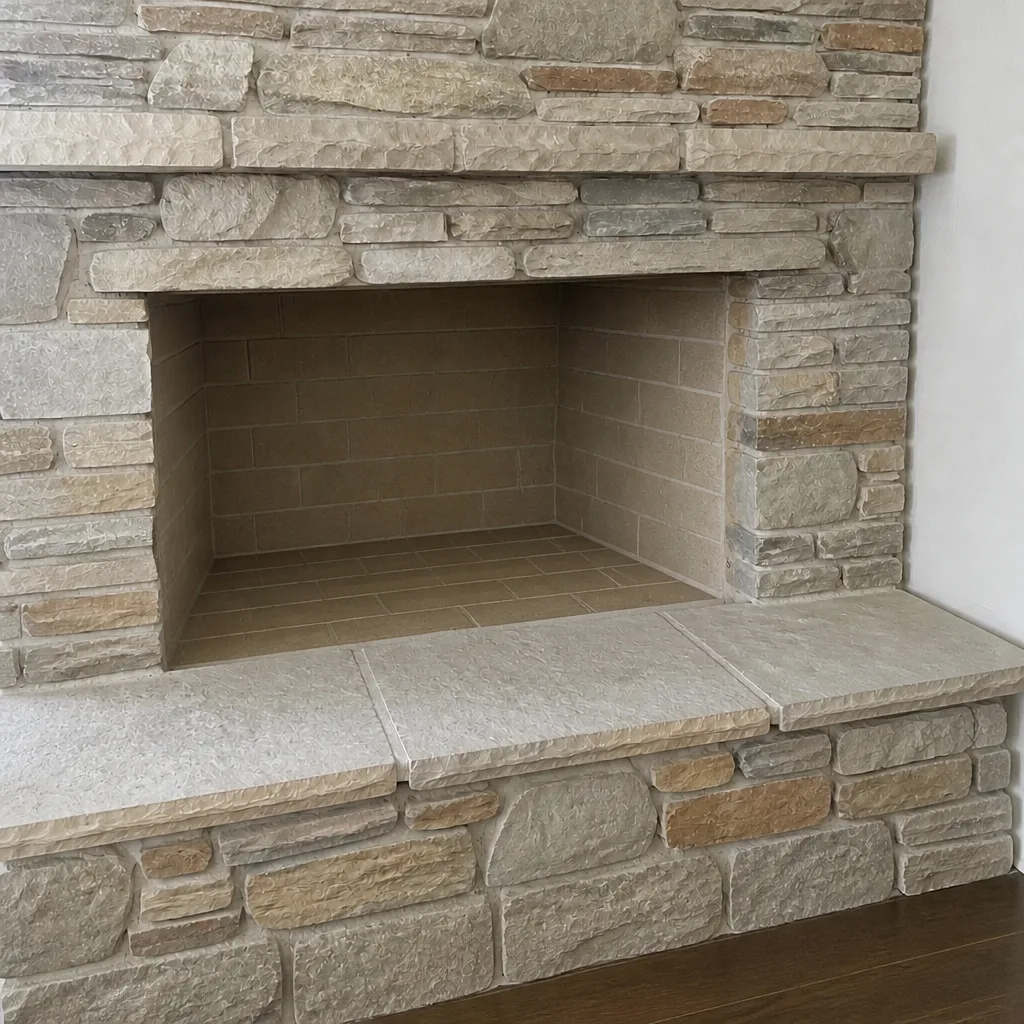
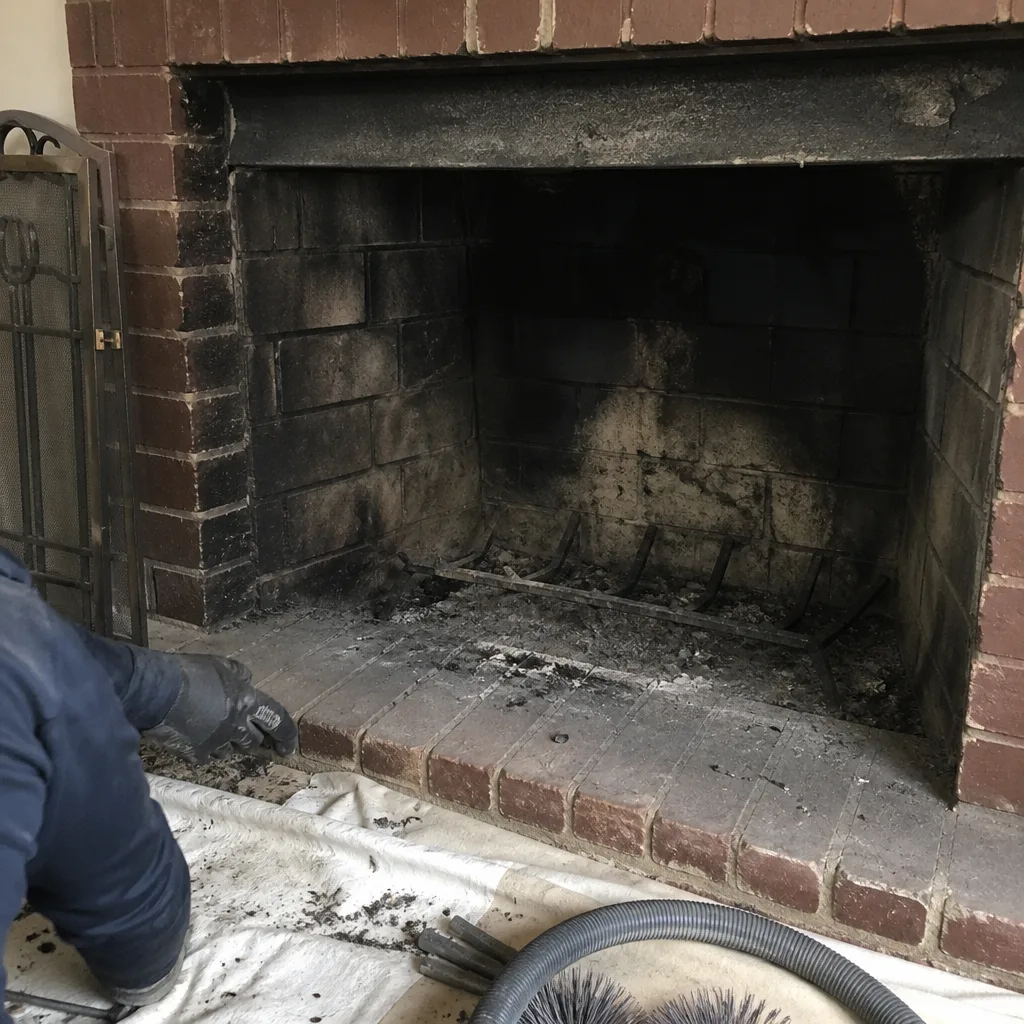
See the difference
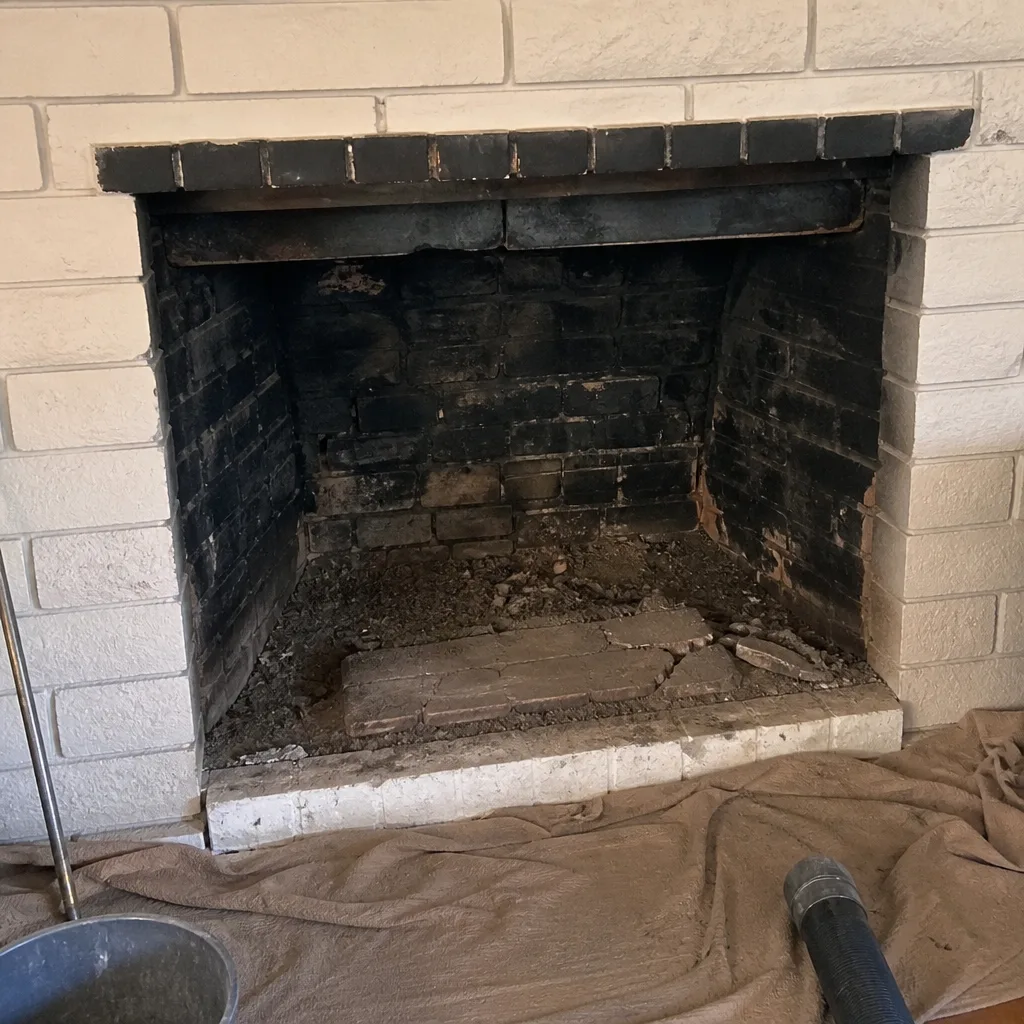 Before
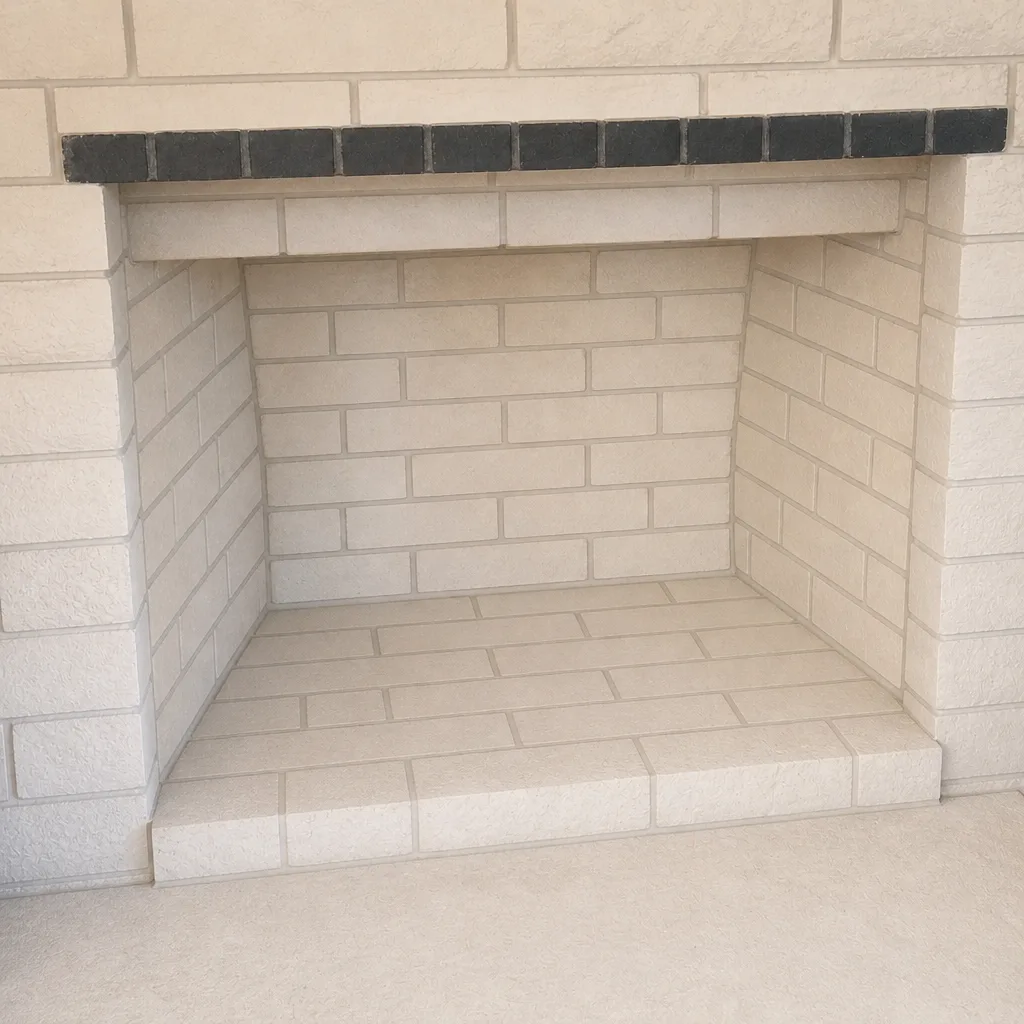 After
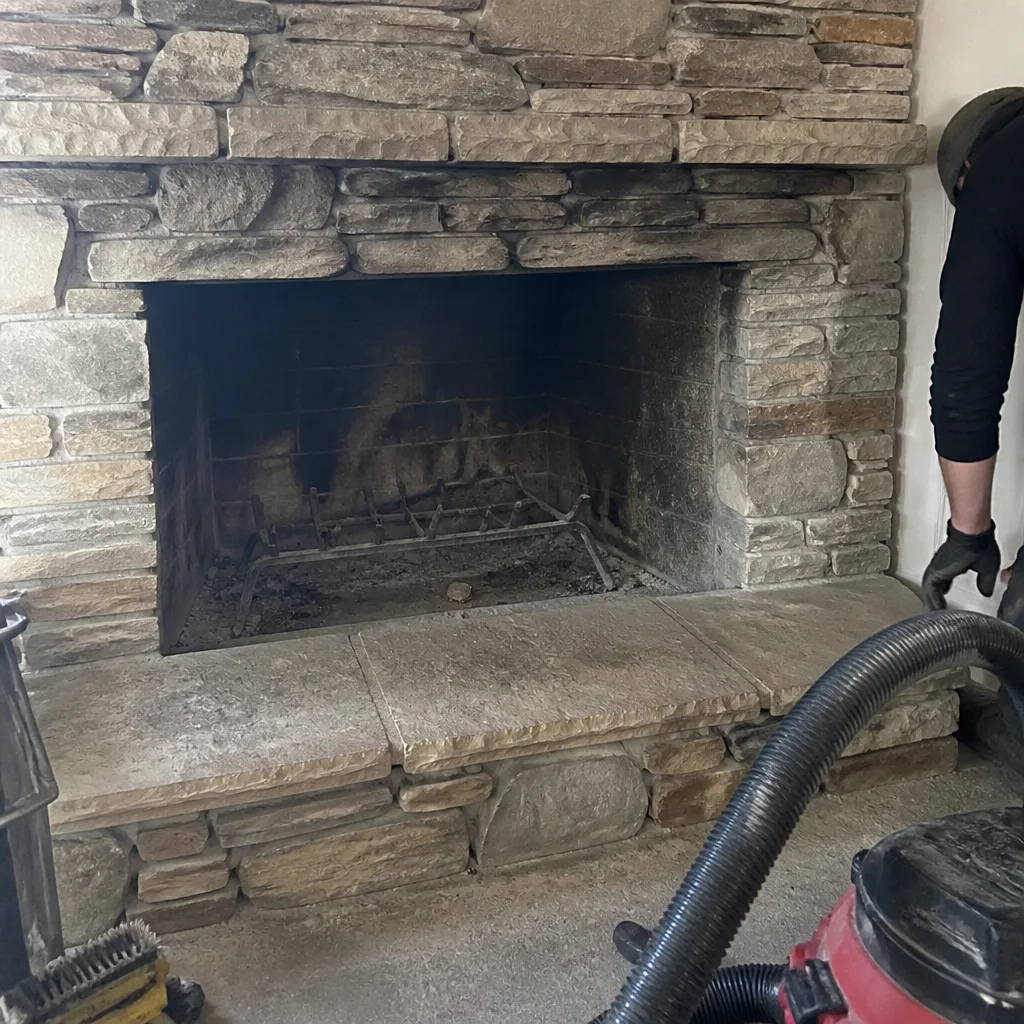 Before
 After
 Before
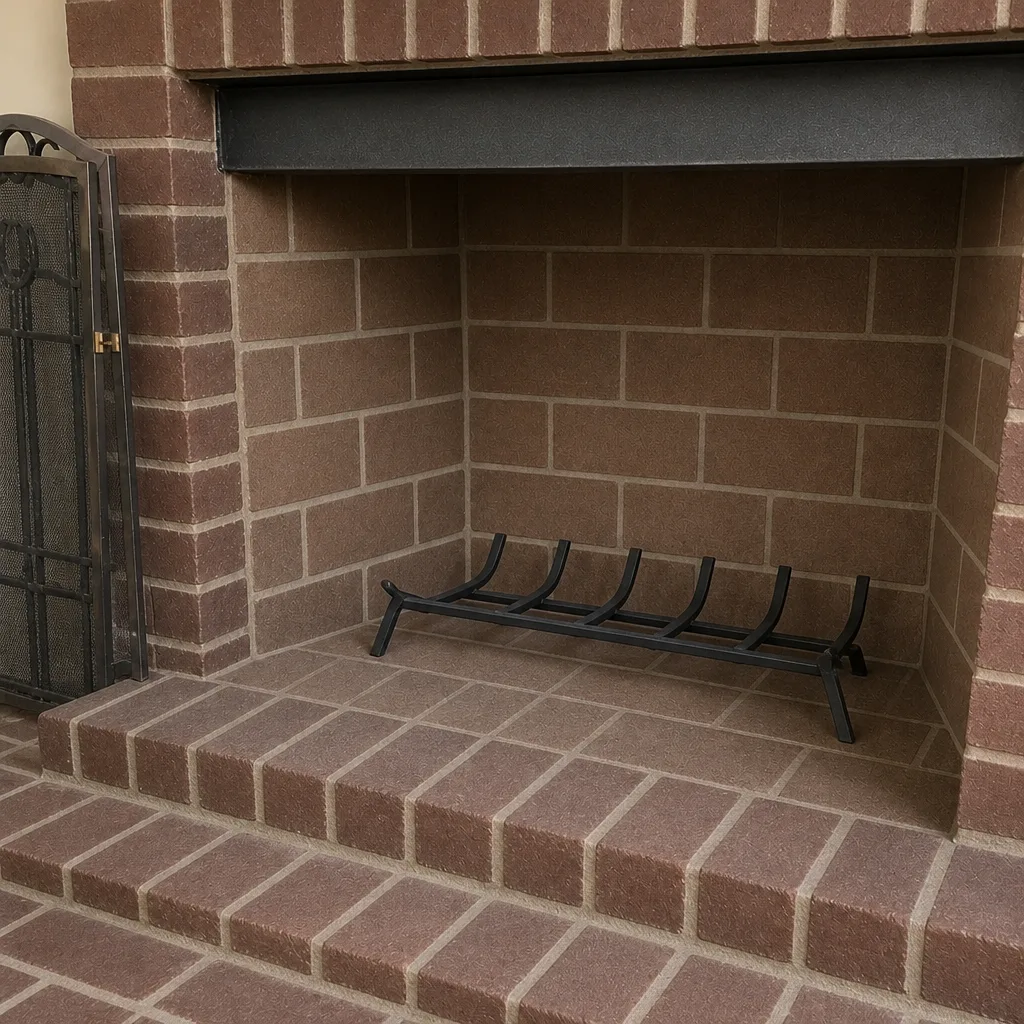 After
When to Call a Professional
Call a technician for anything beyond what you can safely see from the firebox floor. If you notice a smoky smell after a rain, a cracked crown, a missing or tilted cap, a damper that sticks, a flue you can’t see daylight through, or any sign of water intrusion on the masonry, that’s a professional call. If you’ve moved into a Granada Hills home and don’t know the last time the chimney was swept, book an inspection before the first burn. The same applies before selling a home or after a significant wind event.
Safety comes first here for a specific reason: chimney fires are caused by accumulated creosote igniting inside the flue, and carbon monoxide can build up indoors when a flue is blocked or damaged. Those aren’t hypotheticals, and they’re the reason we recommend a professional assessment instead of a DIY attempt at the deeper work. Chimney Sweep Granada Hills offers free estimates in Granada Hills – call (855) 774-3956. We answer 24/7. Fast dispatch from 7am to 7pm, Sunday through Friday. The local technician is licensed and insured as their state requires, and every recommendation comes with camera evidence you can see for yourself.
Frequently Asked Questions
At least once a year if you burn wood regularly, plus a check before each burn season. Homes that burn occasionally can stretch to every other year if an inspection confirms the creosote load is light. The trigger-based checklist in this guide catches problems between sweeps.
Yes, if you skipped the previous season or moved into a home without a maintenance record. A quick visual check at the firebox is a good habit, but a professional inspection catches liner issues, cap damage, and crown cracks a visual check can’t reach. Call (855) 774-3956 for a free estimate on a standalone inspection.
A sweep removes soot and creosote from the flue. An inspection assesses the condition of the liner, cap, crown, firebox, and damper. They’re different services. We offer inspections standalone because real estate transactions, post-storm checks, and peace-of-mind reviews don’t always require a cleaning. If you’re unsure which one you need, call for a free estimate and we’ll tell you plainly.
You can inspect the firebox, damper, and visible portion of the flue from the firebox floor with a flashlight. Anything above the damper, on the roof, or requiring a ladder should go to a technician. The line isn’t skill, it’s access and safety. Call (855) 774-3956 if you want a professional inspection.
We look up the flue from the open damper with a flashlight to confirm the passage is clear, then run a camera down from the top if there’s any doubt. Nests, debris, and animal damage are all caught this way. If the flue is blocked, we clear it before recommending anything else.
No. Gas log inserts don’t produce creosote the way wood fires do, so the annual sweep can often be less frequent, but the flue still needs to be clear and the burner and vent still need checks. Wood fireplaces need the full annual sweep and inspection. Different checklists, same specialist.
The Bottom Line
A maintenance checklist for Granada Hills should be organized around events, not just months. The spring nesting window (February-May), post-Santa Ana wind checks, post-rain moisture inspections, and the pre-burn review together catch problems a fall-only schedule misses. Homeowner checks at the firebox and damper are genuinely useful, but the flue interior, cap, and crown need a professional. Document each inspection with photos so slow-developing structural issues show up as trends instead of surprises. If you want an expert to run the checklist with you, Chimney Sweep Granada Hills handles sweep, cap & crown, fireplace repair, chimney repair, and standalone inspection as dedicated services. Call (855) 774-3956 for a free estimate. We answer 24/7. Fast dispatch from 7am to 7pm, Sunday through Friday.
Written by the team at Chimney Sweep Granada Hills.