
Last updated November 22, 2026
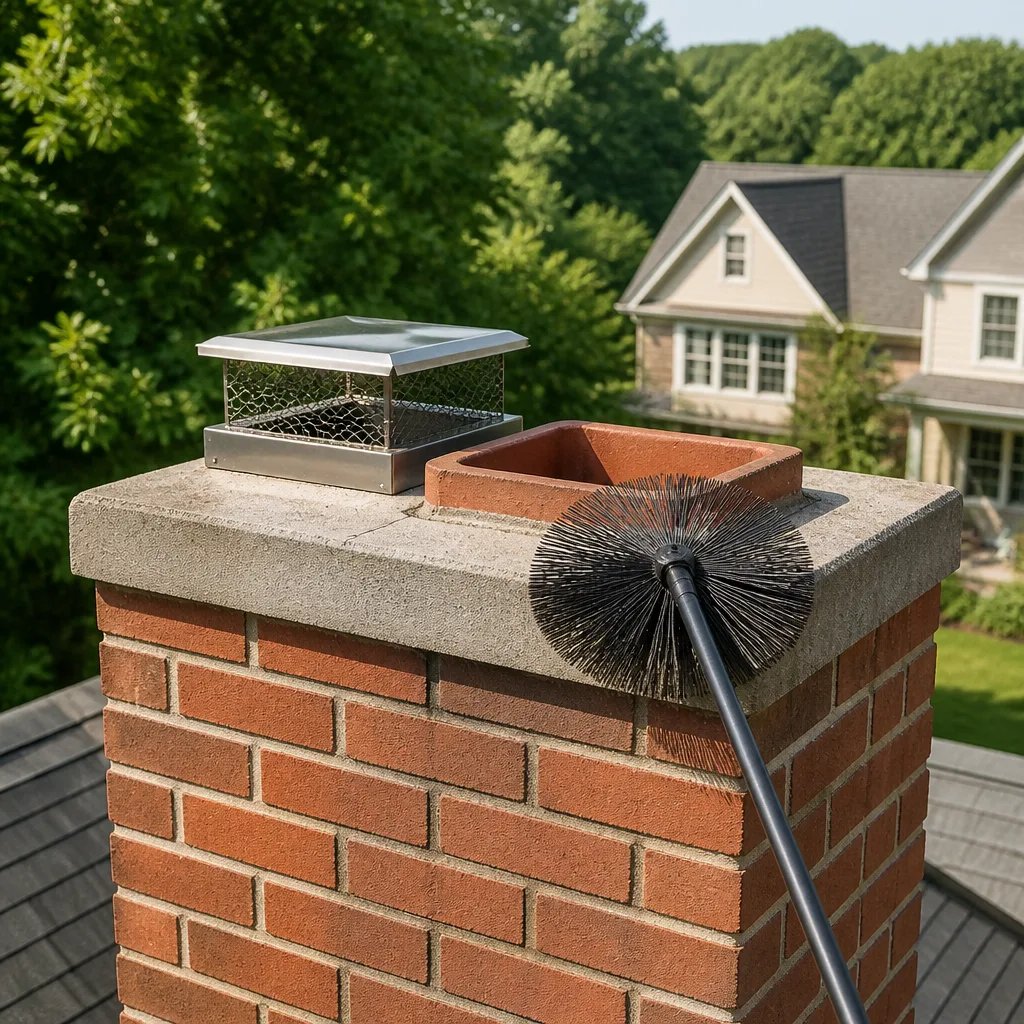 Sweep & inspection
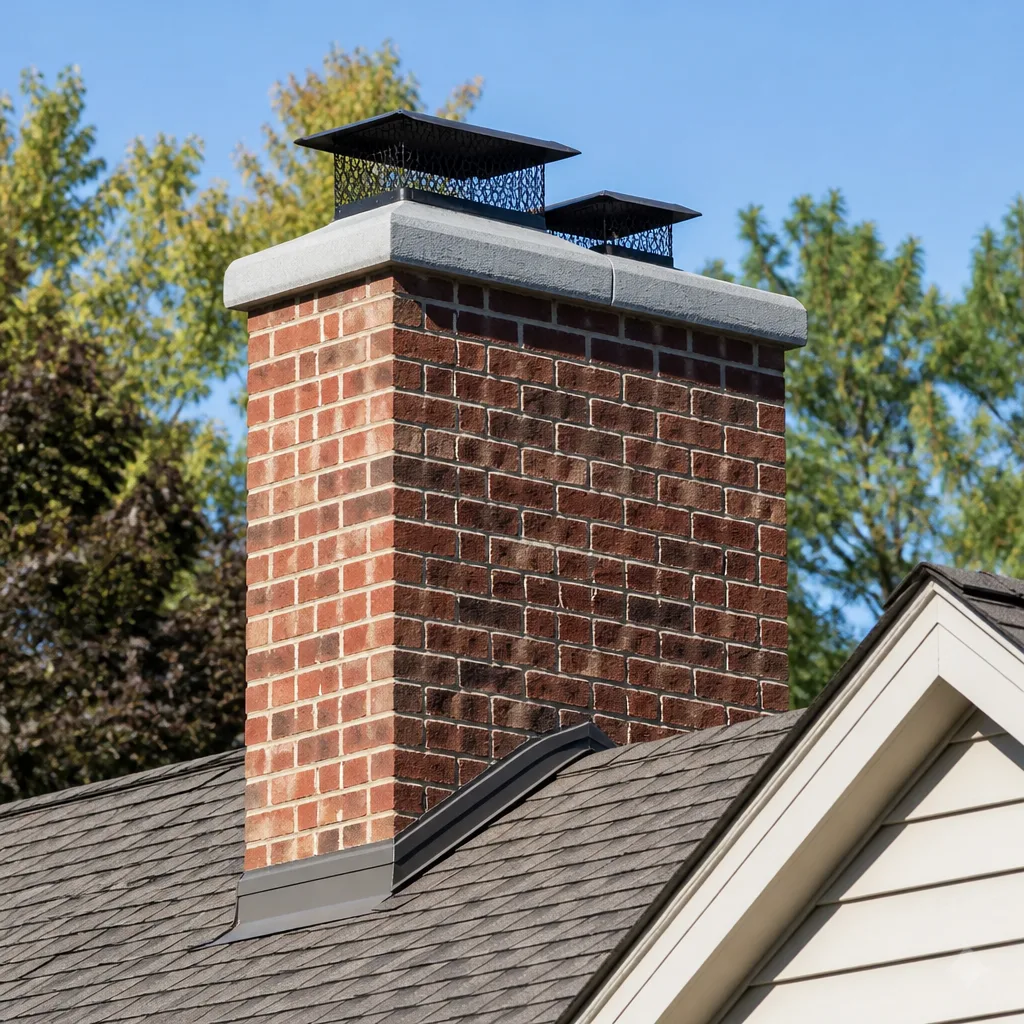 Caps & crowns
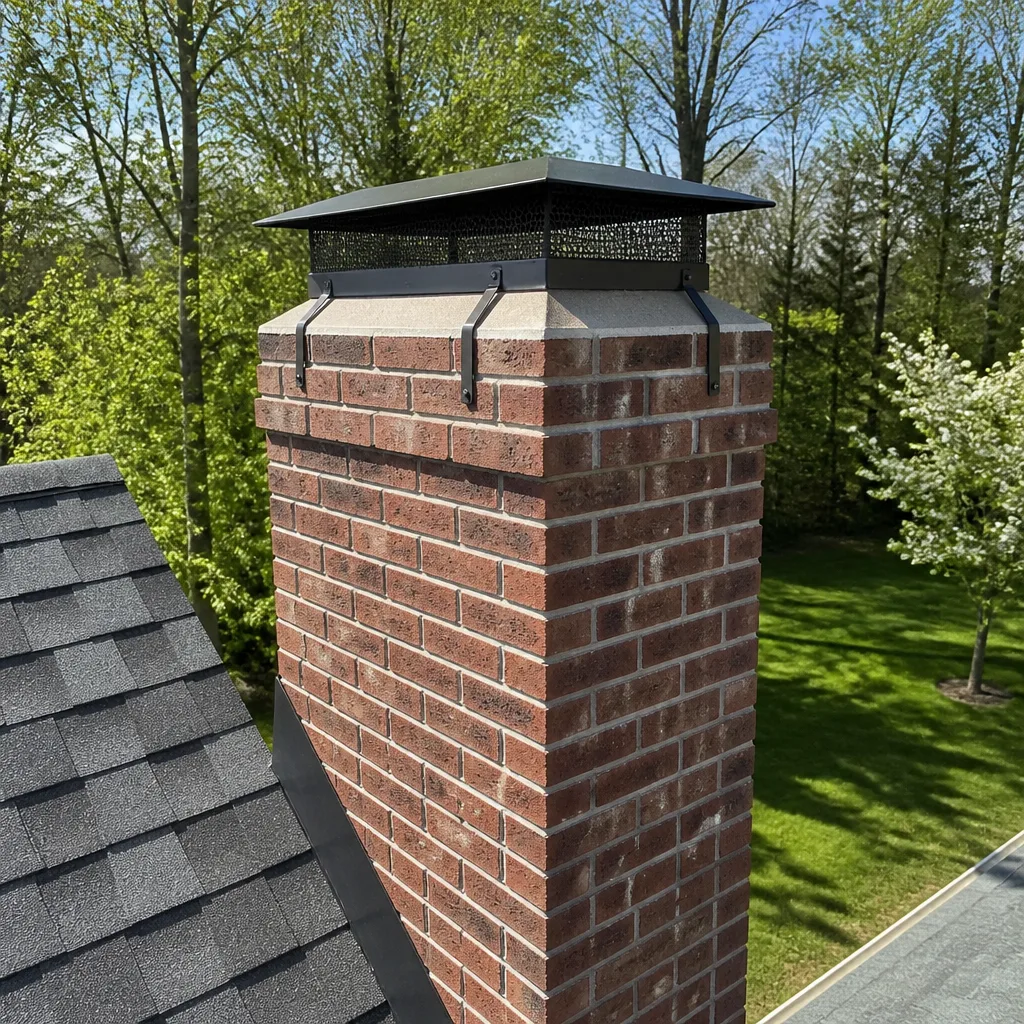 Flue relining
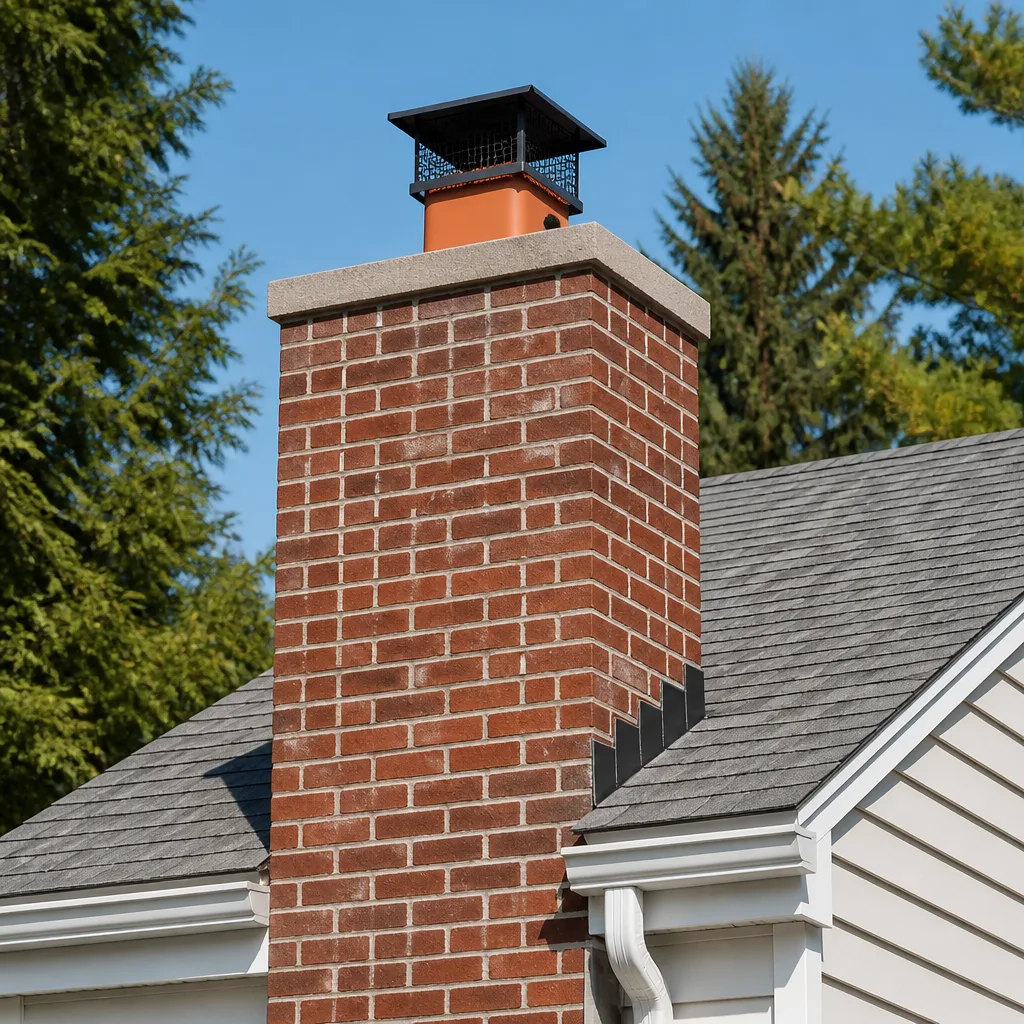 Masonry repair
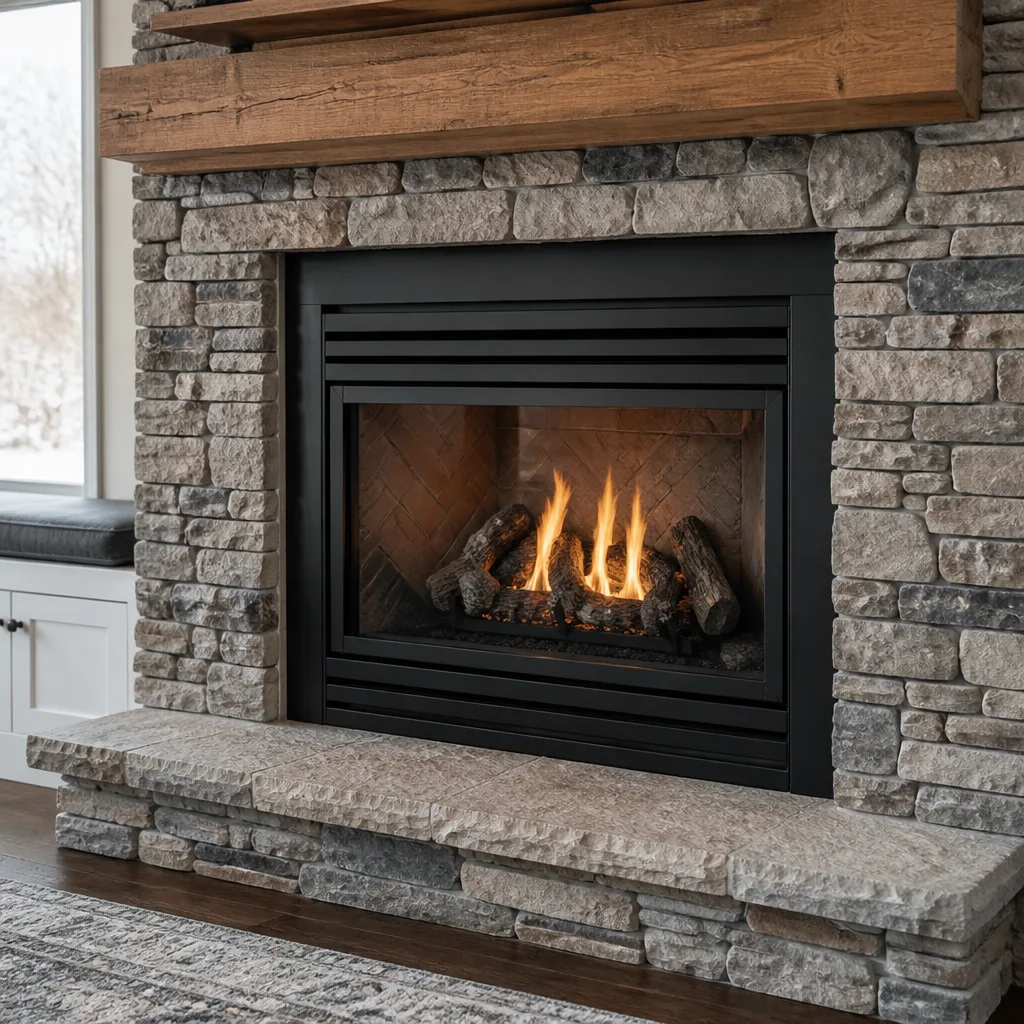 Gas fireplace service
Level 1 sweep and inspection to the NFPA 211 annual standard - flue, crown, cap, and flashing checked and photographed
Chimney sweep logs do not sweep chimneys. They loosen some creosote - which then falls where a brush and vacuum still have to collect it.
DIY vs Professional Chimney Cleaning: The Granada Hills Homeowner’s Decision Guide
You can buy a chimney brush kit for about $60 and clean your own flue. For a fireplace that got used twice last winter, with no structural worries and a clean inspection history, that’s a fair call to make. But Granada Hills isn’t a generic chimney town. We sit in earthquake country, we share air with wildfire season, and a lot of the housing stock here went up in the mid-century boom, when masonry chimneys were built thick and built to last but are now several decades into their service life. That changes the math on doing it yourself. This guide lays out what DIY cleaning actually gets you, where it stops, and how to decide which way to go based on your chimney, not your budget.
Quick Answer
DIY chimney cleaning can handle the basic sweep for a lightly used fireplace, but it can’t replace the inspection. A professional cleaning in Granada Hills includes a look at the flue liner, damper, crown, and cap – the parts of your chimney most likely to fail silently after an earthquake, a wildfire season, or years of creosote buildup. If your chimney hasn’t been inspected in the last year, or you’re not sure when it last was, the professional call is the right one, even if the cleaning itself turns out to be simple.
Styles & brands we work with
- Sweep & inspection
- Caps & crowns
- Flue relining
- Masonry repair
- Gas fireplace service
Table of Contents
- What DIY Chimney Cleaning Can and Cannot Do
- Why Granada Hills Chimneys Face Specific Pressures
- The Scenarios Where Professional Cleaning Is Non-Negotiable
- The Equipment and Safety Realities of DIY
- What a Professional Sees That You Won’t
- A Decision Framework: Age, Usage, and Last Inspection
- What the DIY Process Actually Looks Like, Step by Step
- What to Expect From a Professional Cleaning
What DIY Chimney Cleaning Can and Cannot Do
A chimney sweep does one main physical thing: it removes creosote and soot from the flue walls. A homeowner with the right brush, the right rods, drop cloths, a respirator, and some patience can move a brush through a straight flue and knock down loose deposits. That’s the honest version. It’s not complicated labor, and we’re not going to pretend it’s rocket science to make a case for hiring us.
What DIY cleaning cannot do is the other half of the job, and it’s the half that matters more. Here’s the split, stated plainly:
- DIY can do: remove surface soot and light, flaky creosote from an accessible flue; clean the firebox floor; clear obvious debris from the smoke chamber opening.
- DIY cannot do: evaluate the flue liner for cracks, gaps, or separation; check whether the damper plate has warped; assess crown erosion or cap damage; identify glazed creosote that requires chemical treatment rather than brushing; verify that the chimney is safe to use after a seismic event or a structural shift.
- Neither the brush nor the homeowner can see: what’s happening on the outside of a liner tile or behind the smoke shelf without a camera and a trained eye.
The cleaning removes the fuel. The inspection tells you whether the chimney can still safely contain a fire. Those are two different jobs, and only one of them is genuinely doable from a ladder and a roof with a brush kit in hand.
Why Granada Hills Chimneys Face Specific Pressures
Chimneys here take a particular kind of wear. Granada Hills sits in the San Fernando Valley’s northern edge, where summers run hot and dry, the Santa Ana winds push through seasonally, and the surrounding hills and wildland edges mean wildfire smoke is part of the yearly rhythm. That combination leaves its mark on masonry chimneys in ways a milder climate wouldn’t produce.
Three pressures stand out for Granada Hills homeowners:
- Seismic movement. We live in earthquake country. A masonry chimney is one of the stiffest, most brittle structures attached to a house. Even a moderate quake can hairline-crack a flue liner or separate tile joints without anything visible from the ground. Those cracks let heat and carbon monoxide reach the framing.
- Wildfire season fallout. Smoke and airborne ash don’t just pass by. They settle into caps, screen openings, and the top of the flue. After a heavy fire season, a chimney can carry a layer of fine ash and debris that changes how it drafts.
- Oil-based creosote. Fireplaces that burn seasoned hardwood in cool Valley evenings build up creosote, and creosote that’s been allowed to sit and re-bake can glaze into a hard, tar-like layer. That layer is difficult to remove with a brush alone and is the fuel source behind chimney fires.
None of these are reasons to panic. They’re reasons to know what your chimney is doing. A quick visual from the ground won’t tell you any of it. That’s the gap between sweeping and inspecting, and in Granada Hills, the inspection is usually where the value sits.
The Scenarios Where Professional Cleaning Is Non-Negotiable
There are situations where a brush kit in the garage isn’t the right tool, and it’s not about upselling. It’s about what the job requires. If any of the following apply, have the chimney looked at by a professional before you light another fire.
- After any noticeable earthquake. If you felt it in Granada Hills, your chimney felt it more. A professional inspection checks liner integrity, mortar joints, and the crown, not just the flue interior.
- Following a heavy wildfire season. Ash and debris accumulation in the cap and flue top needs clearing, and the inspection catches anything the season left behind.
- When creosote looks glossy or tar-like. Glazed creosote needs chemical treatment and mechanical removal that a standard brush won’t touch.
- When you smell smoke in the house when the fireplace isn’t burning. That points to a draft or seal problem, and it’s worth a real diagnostic, not a guess.
- When the fireplace hasn’t been used in over a year. A long-dormant chimney can harbor animal nests, debris, or a liner that’s deteriorated while sitting idle.
- Before buying or selling a home in Granada Hills. A standalone inspection gives you a professional assessment without committing to a cleaning package.
In those scenarios, DIY cleaning doesn’t solve the problem. It just removes the soot on top of it, and the underlying issue stays exactly where it was.
The Equipment and Safety Realities of DIY
If you’re going to clean your own chimney, here’s what you’re actually signing up for. We’re not going to hand you a step-by-step route into a dangerous job, because the flue isn’t the only hazard. The roof is a real one, and so is the ladder work to get there.
What a genuine DIY setup involves:
- A chimney brush sized to your flue dimensions, plus flexible rods long enough to reach the full run.
- Drop cloths and plastic sheeting taped around the firebox to contain soot.
- A respirator rated for fine particulates, safety glasses, and gloves.
- A ladder, roof access you’re confident in, and someone else home while you’re up there.
- A bright flashlight for a post-clean look up the flue, though the view from below is limited.
Two safety notes worth taking seriously. Roof work on a two-story Granada Hills home is a fall risk, and falls are the part of this job people underestimate. And if your flue has visible cracks, separated tiles, or heavy glazed creosote, stop. Cleaning around a compromised liner can dislodge material and doesn’t make the chimney safer to use. That’s a job for a trained professional, and we’d rather you hear it plainly than learn it the hard way.
What a Professional Sees That You Won’t
This is the heart of the argument. During a professional cleaning, the technician is doing two things at once: removing deposits and reading the chimney’s condition. The cleaning is the visible task. The inspection is the real service, and it’s what a DIY sweep cannot replicate.
Here’s what comes up during professional cleanings that a homeowner with a brush never surfaces:
- Liner cracks and tile separation. A hairline crack in a clay tile liner or a separated joint lets heat, sparks, and carbon monoxide reach the framing behind it. You won’t see it from the firebox with a flashlight.
- Damper plate warping. A damper that no longer seals lets heated air escape up the flue when the fireplace is idle, and it can affect how the fireplace drafts when it’s in use. Warping is common on older units and easy to miss.
- Crown erosion. The concrete crown at the top of the chimney sheds water away from the masonry. When it cracks or erodes, water gets in, and that’s the leading cause of chimney water damage. It’s a slow problem that turns into a structural one.
- Cap and screen damage. A damaged cap lets rain, birds, and debris into the flue. Replacing it with a quality product like a Gelco or Famco cap is a small fix that prevents a bigger one.
- Deteriorated liner needing restoration. When a flue liner is failing, HeatShield resurfacing can restore it rather than requiring a full replacement, and that capability is beyond what a sweep-only service can offer.
We inspect before we recommend. That philosophy is why our chimney cap & crown work exists as its own service: fix the root cause of water intrusion, not just the soot. And it’s why we can install DuraFlex or Olympia Chimney components when a liner needs replacement rather than repair. One call covers the sweep, the inspection, and whatever the inspection finds, so Granada Hills homeowners aren’t managing a second contractor to finish the job.
A Decision Framework: Age, Usage, and Last Inspection
Forget the budget question for a minute. The honest way to decide between DIY and professional is to look at three things: how old your chimney is, how often you use the fireplace, and when it was last inspected. Answer those, and the right call usually becomes clear.
Here’s how the three variables point you:
- Chimney age. Mid-century masonry chimneys in Granada Hills are decades old and often show the wear that comes with it: liner cracks, crown erosion, joint separation. Older chimneys tilt toward professional inspection. A newer chimney with a clean history tilts toward DIY for the cleaning itself.
- Usage frequency. A fireplace used a handful of times a season builds light creosote that’s manageable. A fireplace used regularly through the cool months builds deposits faster and reaches the glazed stage sooner. The heavier the use, the stronger the case for a professional.
- Last inspection date. This is the deciding variable. If you can’t remember when the chimney was last inspected, or it’s been more than a year, book the professional inspection. You can’t self-inspect what you can’t see, and this is the one job that tells you whether the chimney is safe.
The pattern that emerges: DIY cleaning is a reasonable choice only when all three line up favorably, meaning a newer chimney, light use, and a recent professional inspection on record. Change any one of them and the calculus shifts toward a professional. Change two, and it’s not close.
What the DIY Process Actually Looks Like, Step by Step
If your chimney passes the framework above and you’re going to clean it yourself, here’s the general shape of the job, described as process rather than a how-to manual. The point is for you to see the scope before you commit.
- Protect the room. Drop cloths taped around the firebox opening, furniture moved back, and a clear path for moving soot-covered equipment.
- Get to the flue. That means either roof access with a ladder and brush on rods, or an access point from below, depending on the flue design. The roof route is the more common one and the more hazardous.
- Brush the flue. Run the brush through the full length, working from the top down or bottom up as your setup allows, letting the deposits fall to the firebox.
- Clear the firebox. Sweep up the fallen soot and dispose of it properly. Creosote dust is fine and travels, so the respirator stays on.
- Look up with a flashlight. This is the limited post-clean check. You’ll see the lower flue and smoke chamber. You won’t see the upper liner, crown, or cap condition from here, and a flashlight beam doesn’t reveal hairline cracks.
That’s the whole of it. Note what’s missing: any real assessment of the chimney’s condition. The cleaning succeeds or fails on whether deposits came down. Whether the chimney is safe to use is a separate question the process doesn’t answer.
What to Expect From a Professional Cleaning
A professional chimney sweep in Granada Hills covers the same cleaning ground but adds the diagnostic layer. Here’s how a professional cleaning typically runs.
- Condition check first. The technician assesses the chimney before cleaning, looking at the firebox, damper, and accessible flue, so the cleaning approach matches the chimney’s condition.
- Containment and cleaning. Drop cloths and a vacuum setup contain soot and dust. The flue gets brushed, with glazed creosote addressed through chemical treatment where a brush alone won’t work.
- Inspection with evidence. A camera check of the flue liner surfaces cracks and gaps, and the technician photographs what’s found. You see what we see, so nothing gets recommended that you can’t verify for yourself.
- Report and recommendation. You get a clear picture of the chimney’s condition and a straight answer on what needs attention now and what can safely wait. When a liner can be restored with HeatShield instead of replaced, that’s the call. When a cap is the fix, a Famco or Copperfield cap goes on. Built to last, not patched to pass.
The gap between the two processes is the inspection, and in Granada Hills, that’s where the value lives. The cleaning removes the fuel. The inspection tells you whether the chimney is still safe. Our technicians have up to 10 years of experience reading exactly that distinction, and the honest answer is sometimes “your chimney is fine, and the cleaning can wait until fall.”
Common Mistakes to Avoid
- Cleaning without inspecting. Removing soot from a flue with a cracked liner doesn’t make the chimney safe. It makes it look clean. The inspection is the point, not the afterthought.
- Skipping the cleaning after an earthquake because nothing looks wrong. A hairline crack in a flue liner isn’t visible from the ground or the firebox. In earthquake country, “looks fine” isn’t the same as “checked.”
- Ignoring the crown and cap because they’re out of sight. Water intrusion starts at the top of the chimney and works down. A cracked crown or damaged cap in a Granada Hills rain season sends water into masonry, and that’s a structural repair waiting to happen.
- Burning unseasoned or soft wood to save money. Green wood and soft woods build creosote faster, and in a fireplace that’s already accumulating deposits, that’s a shortcut to glazed creosote and a harder cleaning.
- Assuming a brush kit is the whole job. The brush handles the flue walls. It doesn’t handle the damper, the crown, the cap, or the liner condition, and those are where the real problems live.
- Waiting until the first cold night to think about the chimney. The time to book a cleaning or inspection is before the season starts, not after the fireplace is already lit and the house smells like smoke.
- Letting a handyman or HVAC company with chimney as a side service handle a chimney problem. A dedicated chimney specialist covers the full lifecycle: sweep, inspect, cap, crown, and repair. One specialist who finishes what they start beats two contractors who don’t talk to each other.
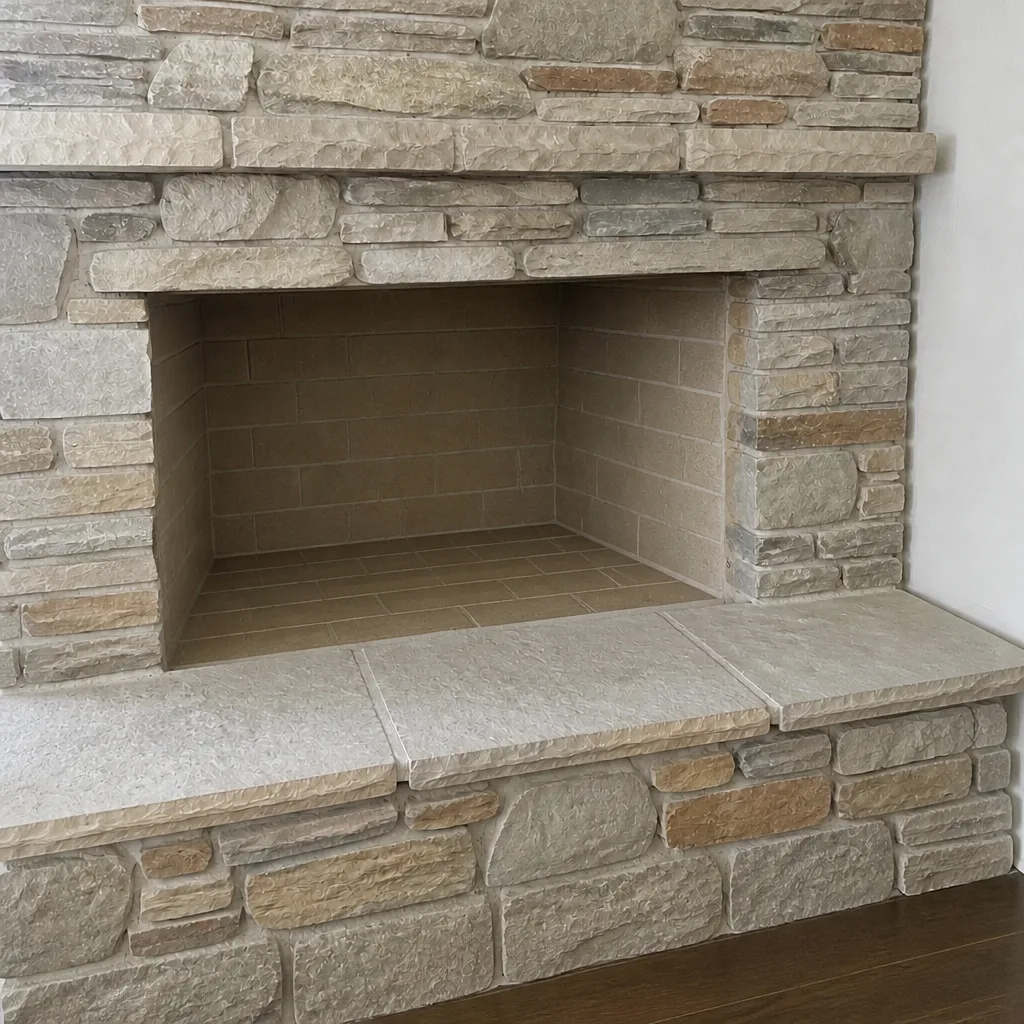
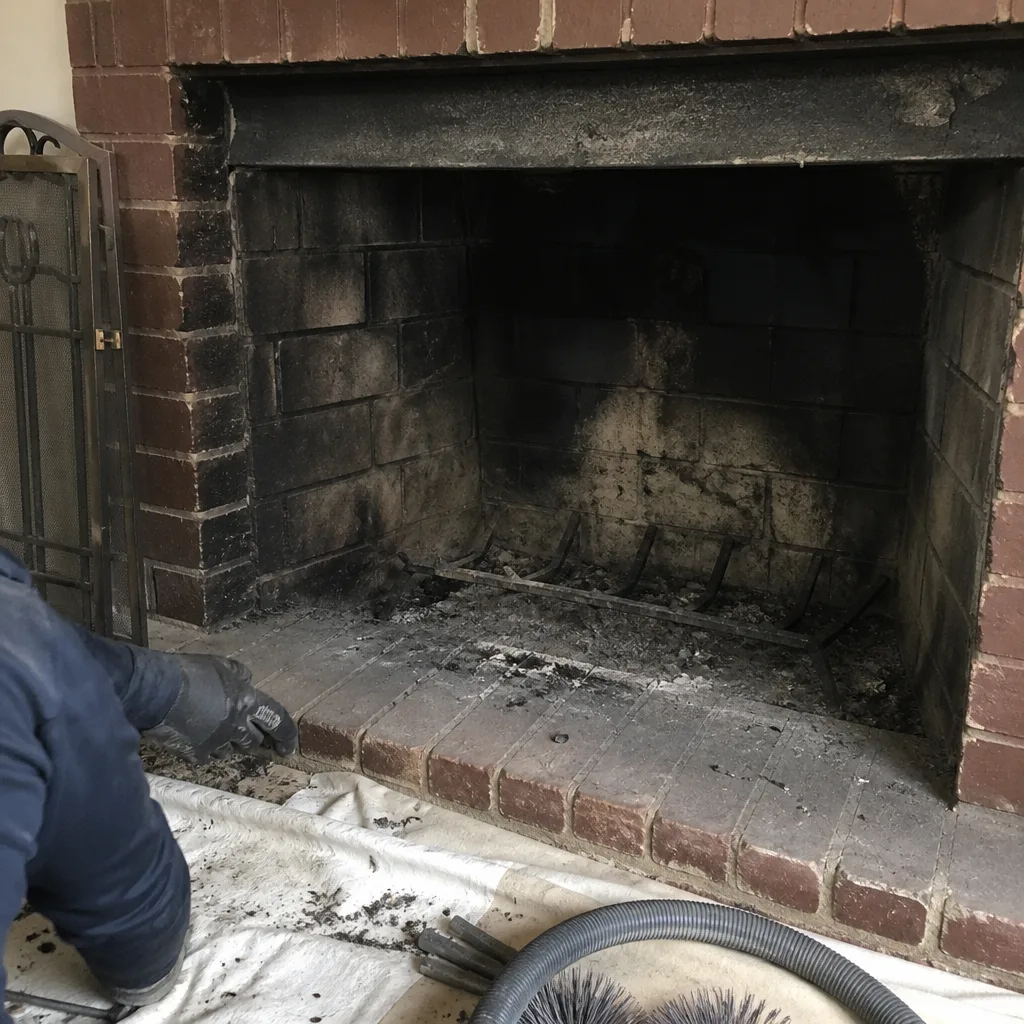
See the difference
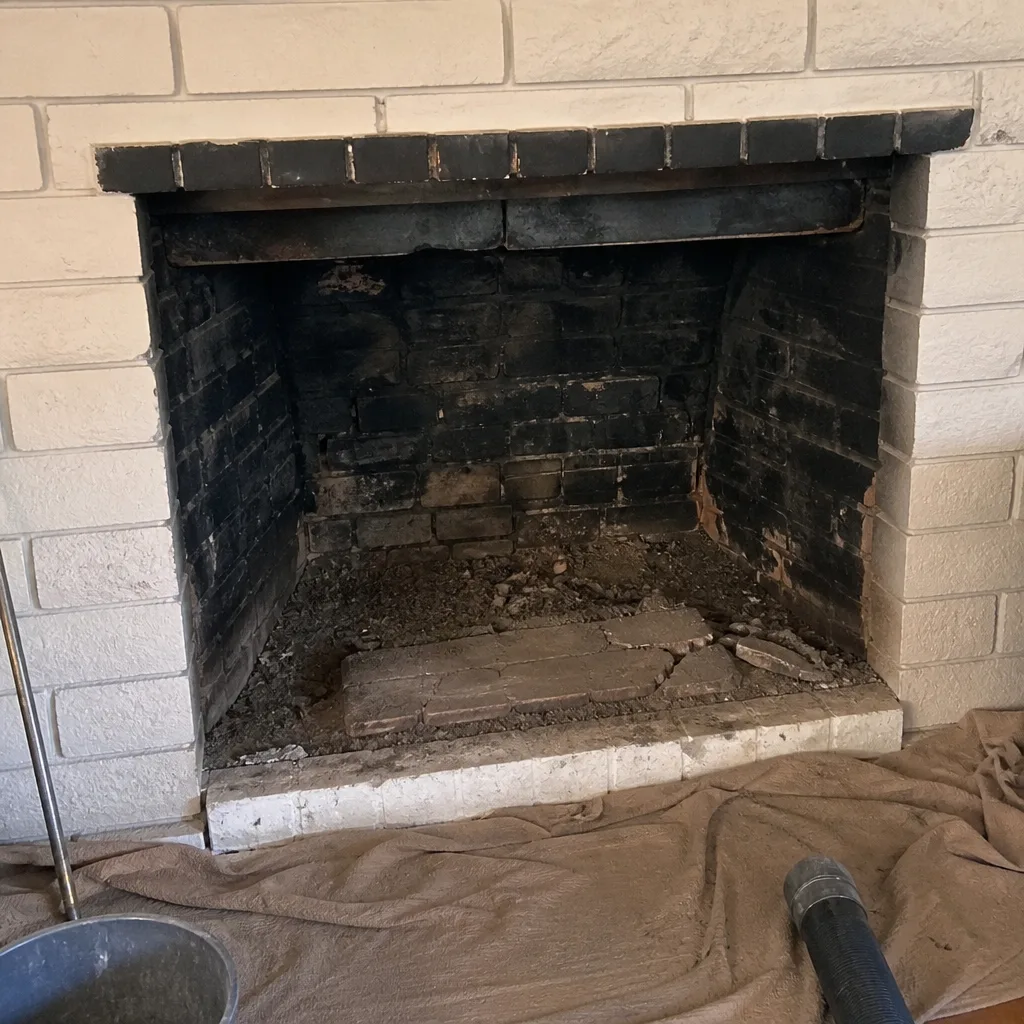 Before
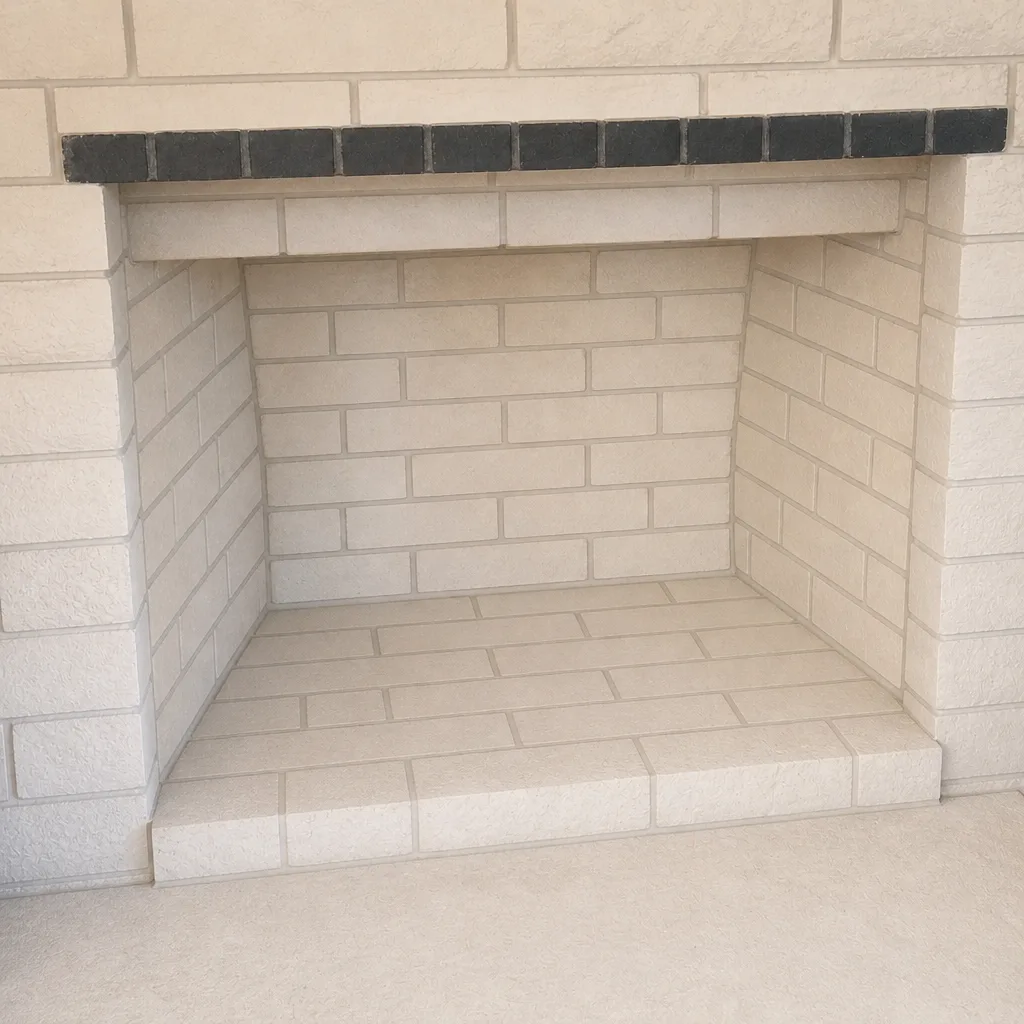 After
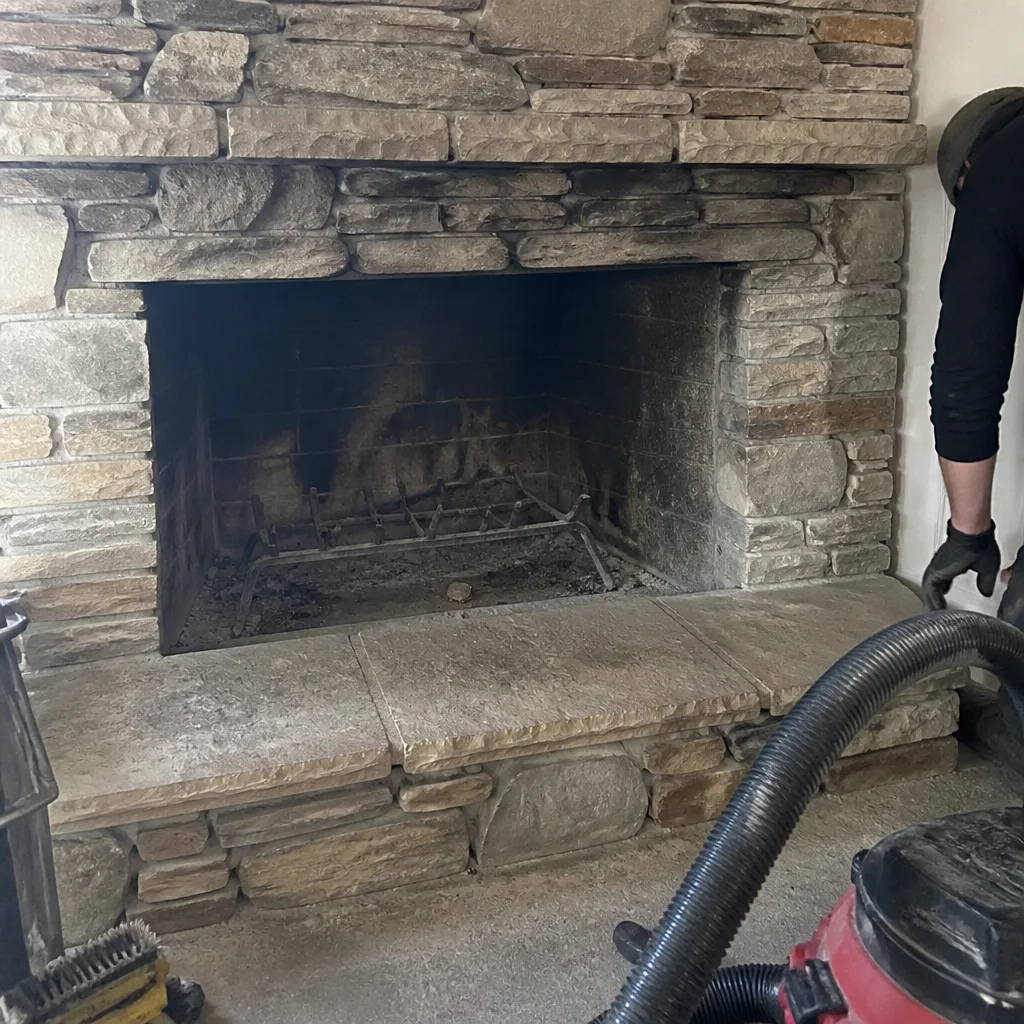 Before
 After
 Before
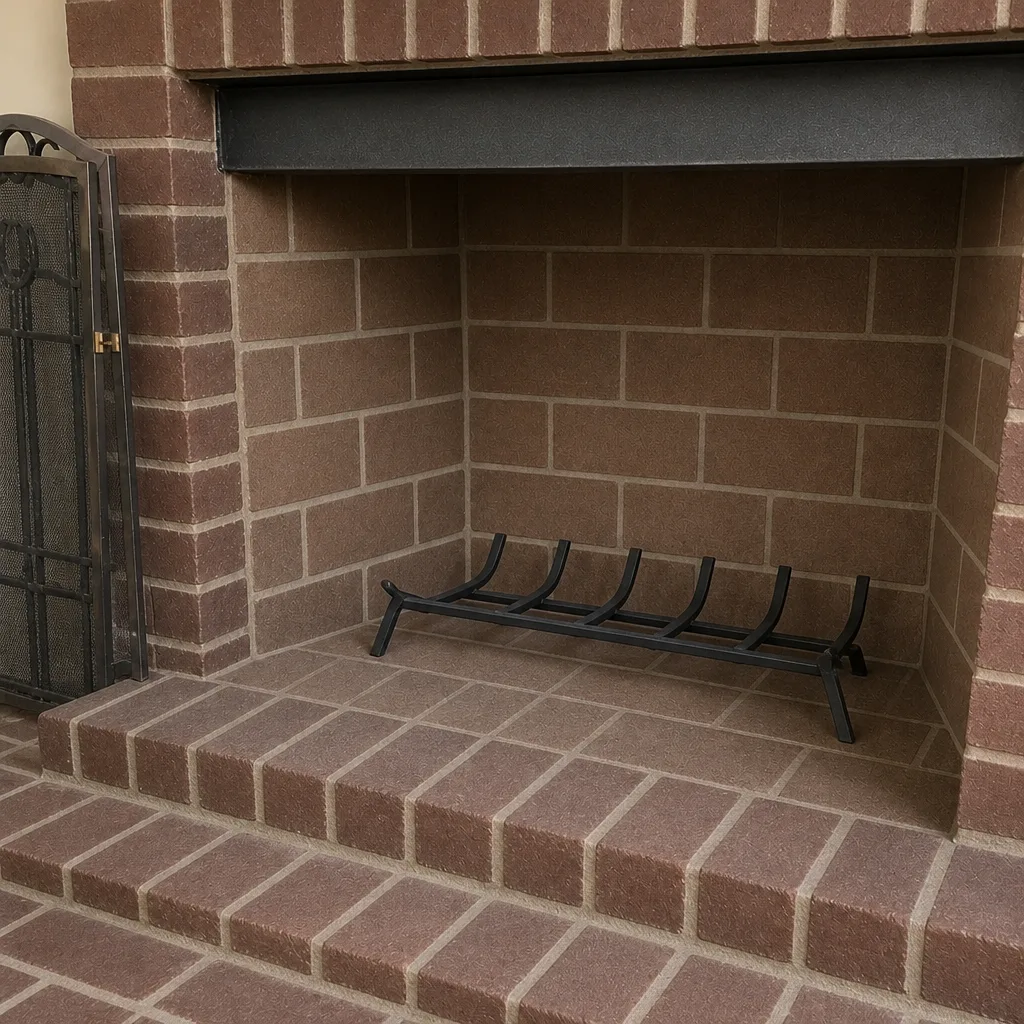 After
When to Call a Professional
Call a professional chimney specialist when any of the following are true: your chimney hasn’t been inspected in over a year, you’ve felt a noticeable earthquake in Granada Hills since the last inspection, wildfire season has passed and your cap or flue top hasn’t been checked, your creosote looks glossy or tar-like, you smell smoke when the fireplace isn’t burning, or you’re buying or selling a home and need a standalone inspection. These aren’t upsell triggers. They’re the situations where the diagnostic value of a professional visit outweighs what a DIY cleaning can reach. Chimney Sweep Granada Hills offers free estimates in Granada Hills. Call (855) 774-3956. We answer 24/7. Fast dispatch from 7am to 7pm, Sunday through Friday. Every visit includes a camera inspection and photo report, and the written estimate sets the price before anything gets booked.
Frequently Asked Questions
A typical chimney sweep in Granada Hills runs by written estimate, and the price is set per job based on the chimney’s condition and what the cleaning involves. A straightforward sweep of a lightly used flue costs less than a job that includes glazed creosote removal or a liner inspection that surfaces repair work. The estimate is free, the sweep price is agreed before booking, and nothing gets added without your say-so. Call (855) 774-3956 for an exact quote – estimates are free.
A liner can often be restored rather than replaced, and the only honest way to know which is a camera inspection of the flue. HeatShield resurfacing restores a deteriorated liner from the inside when the damage is within its range, while a liner that’s structurally beyond resurfacing needs a full replacement with a system like DuraFlex. You’ll see the camera evidence before any recommendation is made, and we’ll tell you plainly when a liner can safely wait. Call (855) 774-3956 for an exact quote – estimates are free.
A chimney used regularly should be swept and inspected once a year, and a chimney used lightly still needs an annual inspection even if the cleaning can wait. In Granada Hills, the annual rhythm is worth keeping because earthquake movement and wildfire seasons can change a chimney’s condition between cleanings. The inspection is the part that shouldn’t slip. Call (855) 774-3956 for an exact quote – estimates are free.
Skipping the cleaning lets creosote build until it reaches the glazed stage, which is the fuel behind chimney fires, and skipping the inspection means a liner crack or crown erosion can go unnoticed until it’s a structural repair. The risk compounds quietly. A chimney fire needs fuel and heat, and creosote is the fuel. Carbon monoxide from a compromised flue is the other risk, and neither shows up in a visual check from the ground. Call (855) 774-3956 for an exact quote – estimates are free.
You can clean the flue, but you can’t inspect it for earthquake damage, and that’s the part that matters after a seismic event. A hairline crack in a clay tile liner or a separated joint isn’t visible from the firebox with a flashlight. In earthquake country, a professional inspection after a noticeable quake is the safe call, even if the cleaning itself is simple. Call (855) 774-3956 for an exact quote – estimates are free.
A standalone chimney inspection is worth having before a Granada Hills home sale closes, because it gives both buyer and seller a professional assessment of the chimney’s condition without committing to a cleaning package. It’s a separate service from the sweep, and it’s often the deciding document when a mid-century chimney’s condition comes into question. Call (855) 774-3956 for an exact quote – estimates are free.
The Bottom Line
DIY chimney cleaning can handle the basic sweep for a lightly used fireplace on a newer, well-maintained chimney that’s been inspected recently. That’s the narrow window where it makes sense. Outside that window, the professional call wins because the inspection is the real value, and in Granada Hills, the inspection is where the answers live: earthquake movement, wildfire season, and aging masonry chimneys all leave marks that a brush and a flashlight can’t read. Decide by chimney age, usage, and last inspection date, not by budget. If the chimney is older, heavily used, or overdue for a look, book the professional visit and let the camera tell you what’s actually there. We inspect before we recommend, and one call covers the sweep, the inspection, and whatever the inspection finds.
Call (855) 774-3956 for a free estimate. We answer 24/7. Fast dispatch from 7am to 7pm, Sunday through Friday. For the full picture of what a professional sweep involves here, start with Chimney Sweep Granada Hills, and when the inspection turns up fireplace work, our fireplace repair service covers it.
Written by the team at Chimney Sweep Granada Hills.