
Last updated November 22, 2026
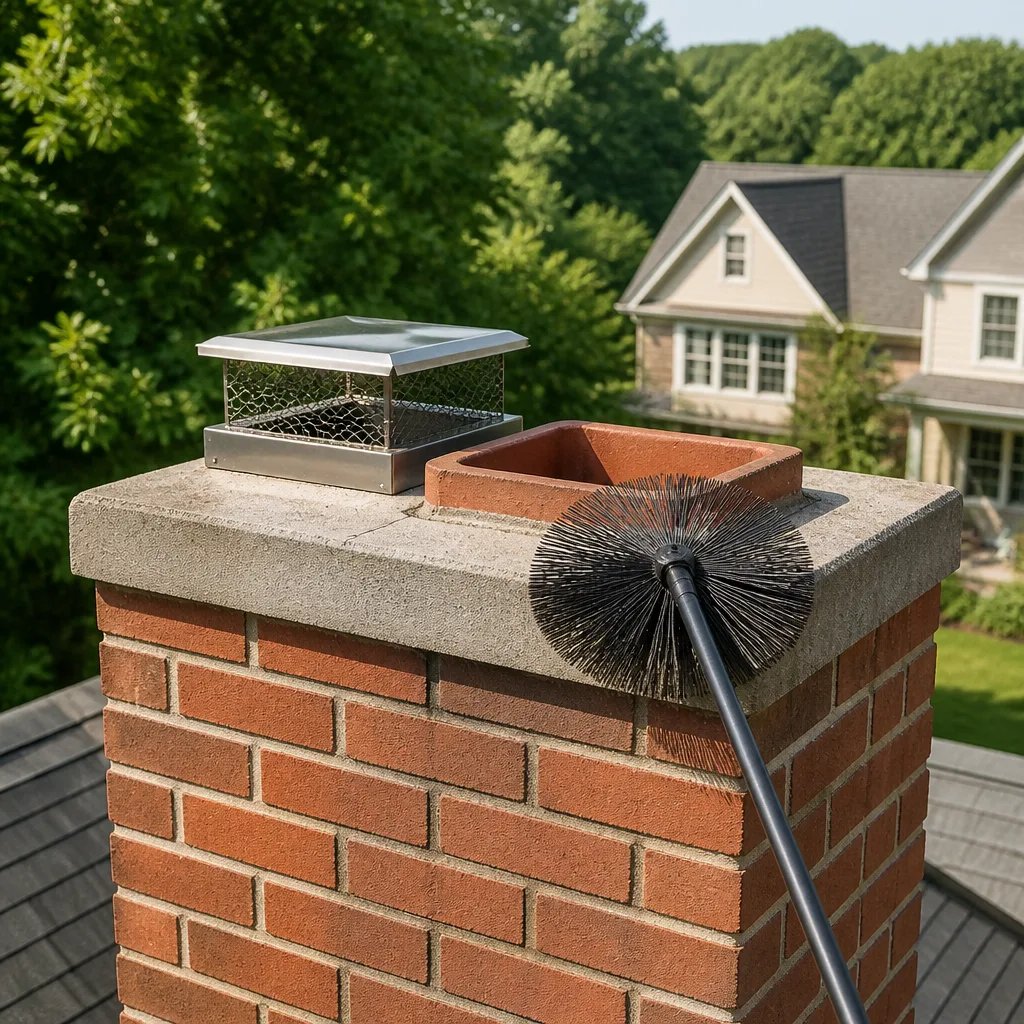 Sweep & inspection
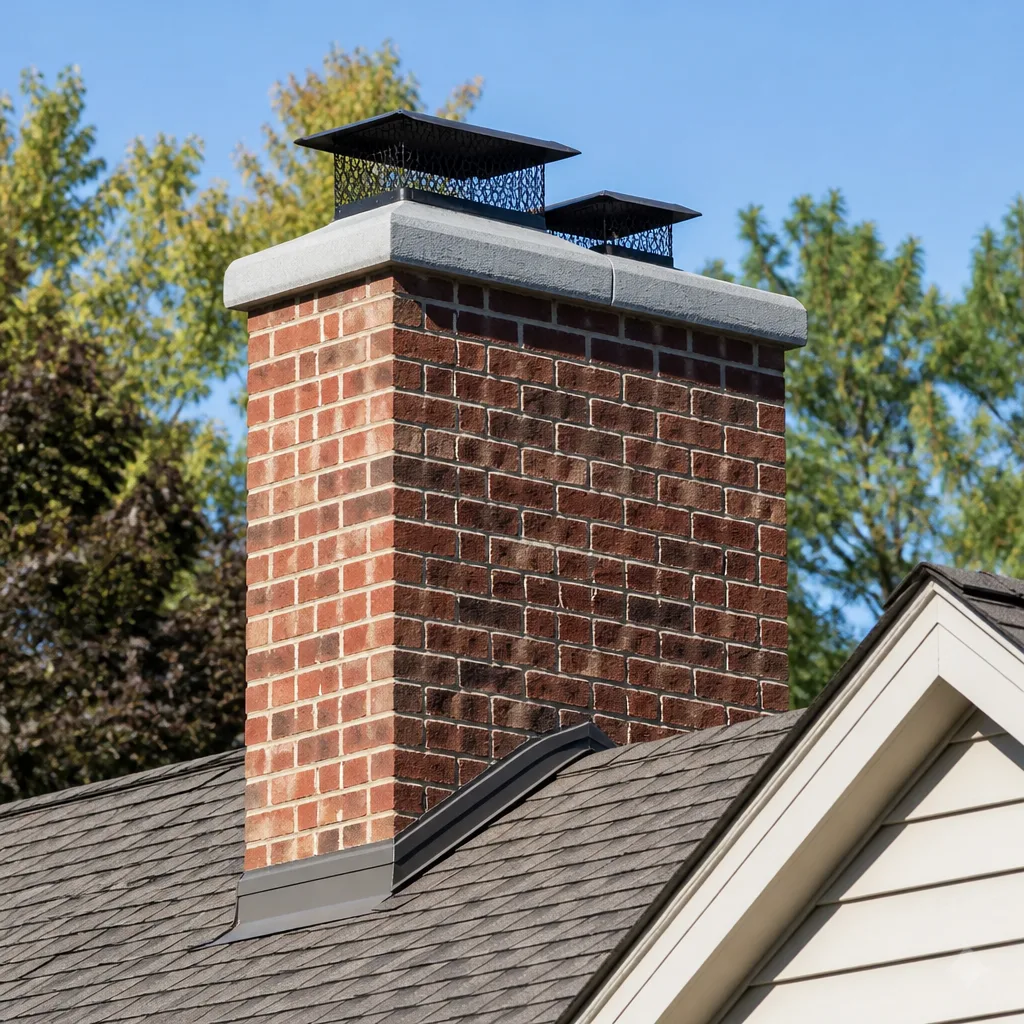 Caps & crowns
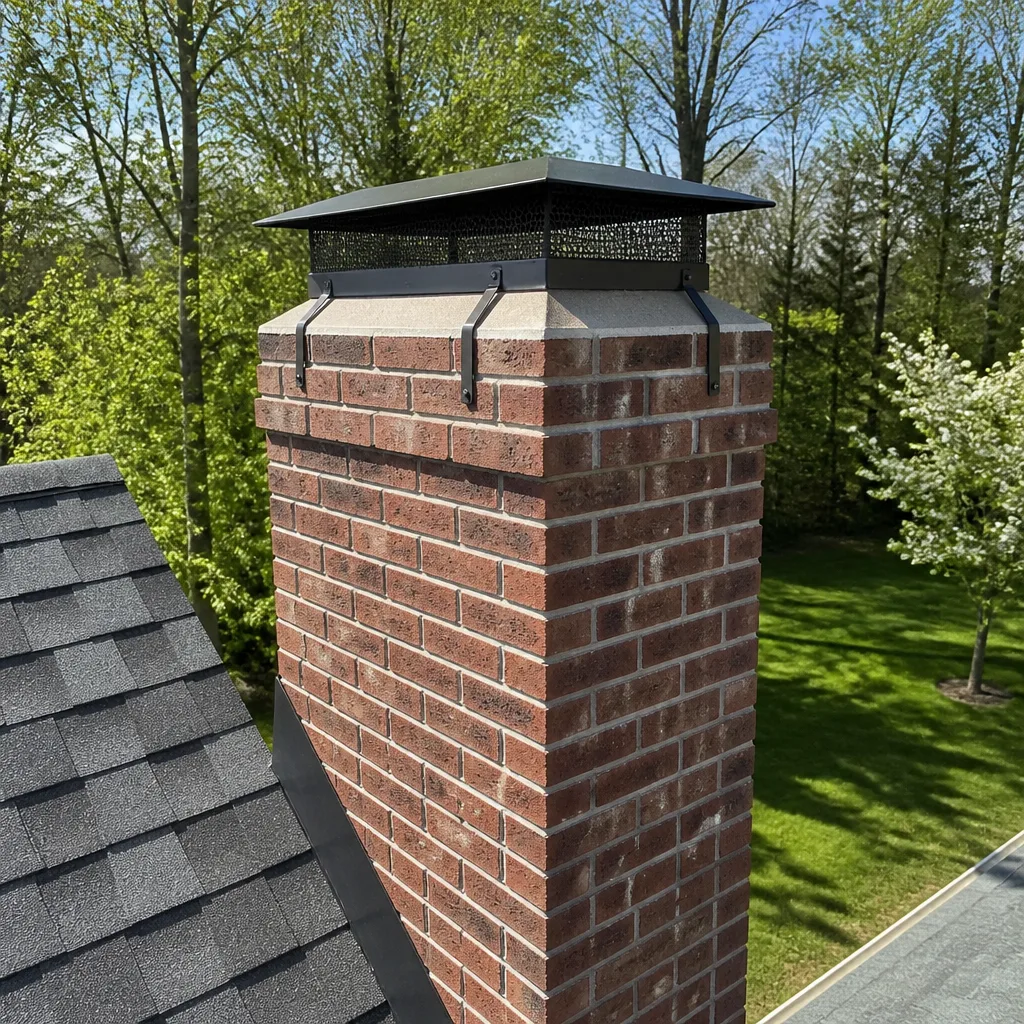 Flue relining
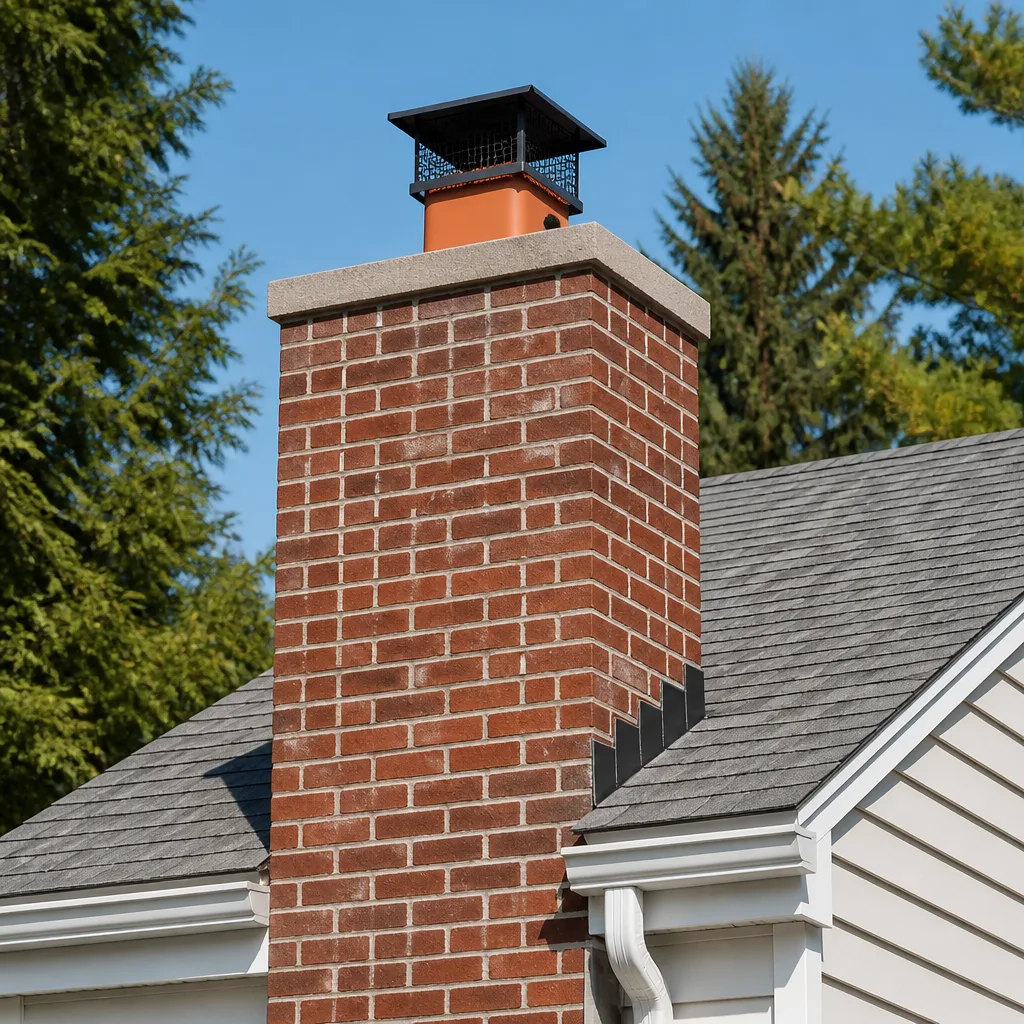 Masonry repair
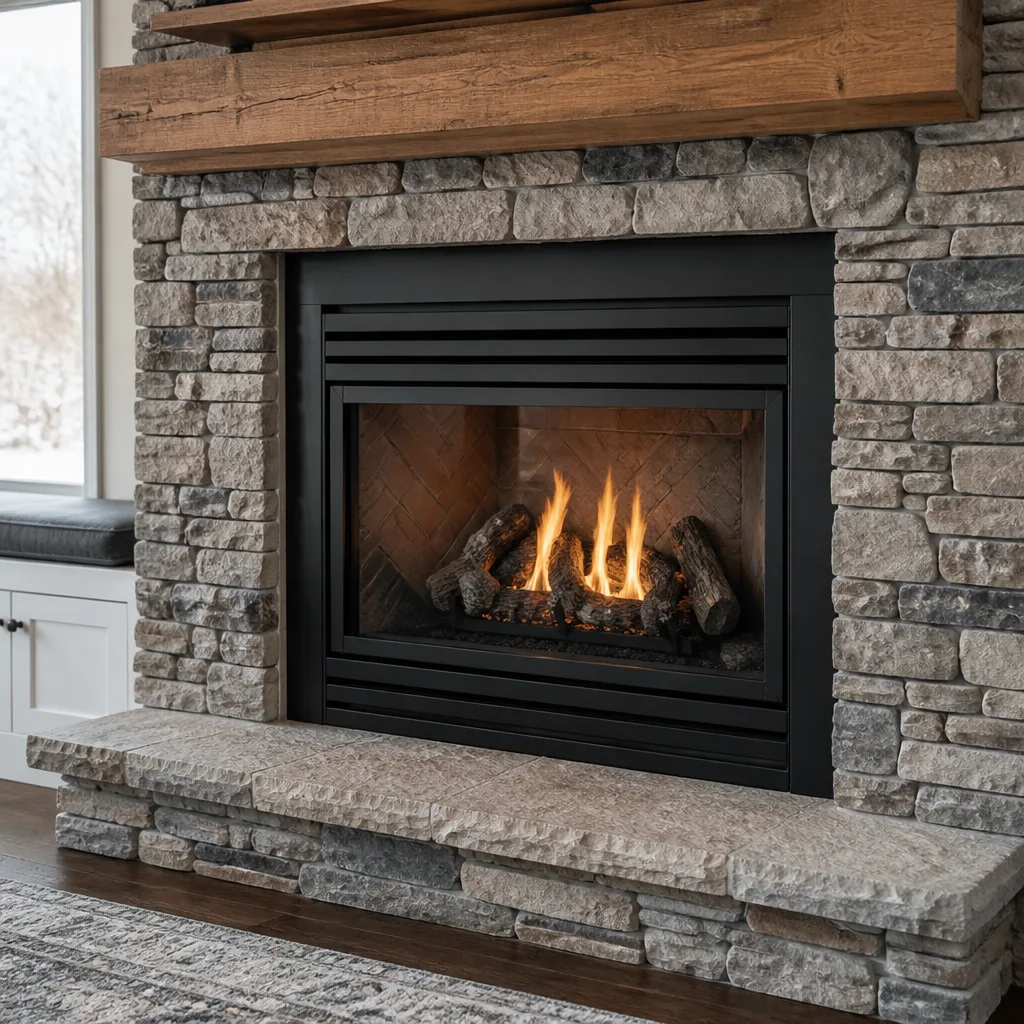 Gas fireplace service
Level 1 sweep and inspection to the NFPA 211 annual standard - flue, crown, cap, and flashing checked and photographed
Chimney sweep logs do not sweep chimneys. They loosen some creosote - which then falls where a brush and vacuum still have to collect it.
The Complete Guide to Chimney Cleaning in Granada Hills
Most Granada Hills homeowners light a fire fewer than fifteen times a year. That’s the number you’d hear around town, and it’s exactly why so many people assume their chimney doesn’t need attention. The opposite is true. Short, scattered burns followed by months of idleness create the ideal conditions for creosote to harden and for debris to settle into a flue untouched by a hot fire. Add Santa Ana wind events that push ash and fine grit into the flue, hard-water minerals that deposit on masonry over time, and mid-century housing stock that hides its masonry construction behind stucco and drywall, and you get a cleaning conversation that generic advice doesn’t cover. This guide walks through what clean actually means for a Granada Hills chimney, from the firebox to the crown.
Quick Answer
Chimney cleaning in Granada Hills means removing creosote, soot, ash, and wind-driven debris from the flue and firebox, then verifying the liner, cap, crown, and damper are all intact. Because most local chimneys burn lightly and infrequently, thorough cleaning usually involves a Level 1 visual check, a Level 2 camera inspection when the flue has been untended for a while, and a cap-and-damper review to keep Santa Ana debris and wildfire ash out between burns. A trained technician should handle it; the flue and its hot surfaces are no place for a homeowner with a shop vac.
Styles & brands we work with
- Sweep & inspection
- Caps & crowns
- Flue relining
- Masonry repair
- Gas fireplace service
Table of Contents
- Why Granada Hills Chimneys Need Cleaning Even With Light Use
- How Low-Use Burning Produces Stage 1 and Stage 2 Creosote
- Santa Ana Winds, Wildfire Ash, and Uninvited Flue Debris
- Masonry Types in Granada Hills Mid-Century Homes and Cleaning Methods
- Level 1 vs Level 2 Inspection at Your Annual Cleaning
- Why Cap and Damper Checks Belong in Every Cleaning
- What Chimney Cleaning Costs in Granada Hills
- What to Expect on Cleaning Day
Why Granada Hills Chimneys Need Cleaning Even With Light Use
A chimney is like a fireplace’s lungs. When air and smoke move through it consistently, deposits stay softer and small debris gets carried up and out. When it sits mostly idle, everything settles. In a mild climate like ours, the pattern is routine: a few fires around the holidays, a few cool evenings in January and February, then nothing until the next cold front rolls through. That intermittent chain of short burns is the reason a low-use chimney can accumulate creosote just as surely as one that gets a fire every night.
The reason is temperature. A chimney flue that goes from cold to hot to cold never fully warms through, so smoke doesn’t rise cleanly. Some of it condenses on the flue walls before leaving the house. A single inefficient fire can leave more residue than several well-burning ones. In our experience, this is the most overlooked fact about Granada Hills chimneys: high use is not the only thing that builds creosote. Low use that never finds a rhythm does it too.
Then there’s what a non-burning fireplace still does all year. It acts as an open duct between the firebox and the outdoor air. On a warm afternoon, the cooler air inside the flue sinks and pulls down with it whatever is above the cap: dust, pollen, grit, and any debris that lands on the chimney top. Between burns, the flue becomes a settling jar. When you finally light the first fire of the cold season, some of that material burns off with an unpleasant smell and some of it stays.
Three reasons cleaning still matters in a light-burn household:
- Deposits don’t wash themselves away. A flue that doesn’t get hot enough to dry out is a good place for creosote to harden into glazed form.
- Debris blocks airflow. A partial blockage makes every fire smoke, which is often the first sign a homeowner notices. Call us if smoke returns down the chimney after years of clean fires.
- Animals move in. A chimney without a proper cap is a remote, warm, sheltered spot. Birds, squirrels, and their nest material can fill a flue during the months it isn’t used.
Whether you’re a weekend fire user or a regular, we inspect before we recommend. The sweep is not a sales pitch; it’s a diagnostic step. That is where every honest cleaning begins.
How Low-Use Burning Produces Stage 1 and Stage 2 Creosote
Creosote forms in layers, and its consistency changes as it ages. A cold-climate chimney often builds glazed Stage 3 creosote because constant, heavy burning with limited air produces long, hot, sticky smoke that cools slowly and bakes onto the flue. Granada Hills sees a different pattern. Here, short burns and long dwell time produce Stage 1 creosote (a flaky, soot-and-ash mix that brushes off easily) and Stage 2 creosote (harder, tar-like, still brushable but stubborn). Stage 3 is less common because fires are spaced out, but it can develop on a flue that has never been cleaned and occasionally gets a long burn.
The practical consequence: the cleaning method has to match the creosote you actually have. Stage 1 comes off fast with standard brushes. Stage 2 needs the right brush size and rotation for the flue material. Stage 3 may require chemical treatment before the brushes touch it. That’s why we don’t quote a chimney size over the phone and assume the job. We look first.
A few habits that reduce creosote buildup in light-use chimneys:
- Burn hotter, shorter fires. A few brisk, well-aerated fires get the flue warm and carry smoke out cleanly. A smoldering fire in an open, cool flue leaves residue.
- Use dry, seasoned wood. Green or damp wood hisses, produces more visible smoke, and deposits more on the flue wall every burn.
- Warm the flue before lighting. A rolled newspaper torch held near the damper for thirty seconds encourages a draft so early smoke goes up, not sideways into the room.
- Open the damper fully. A partially closed damper slows smoke and cools the flue faster than the fire wants.
- Book before the season. Cleaning is done when the flue is cold and clear, not the night before you want to use the fireplace.
None of this eliminates the need for a sweep. It does make the sweep more productive and keeps Stage 1 deposits from maturing into something harder. Book a chimney sweep early in the fall, and the flue is clean before the first fireplace evening.
Santa Ana Winds, Wildfire Ash, and Uninvited Flue Debris
Granada Hills sits in the north San Fernando Valley where the Santa Ana wind runs down through the passes with real force. Those events raise dust, move ash from any wildfire smoke overhead, and push fine grit into every exposed opening on a house. A chimney without a properly fitted cap is one of those openings. Even six weeks without a fire can leave a flue with a layer of ash, dust, and grit on the liner, and that shows up later as odd smells, smoky start-up, or a burn that doesn’t draw well.
Wildfire smoke is not the same as creosote, but a residue of ash and fine particulates on the flue wall is problematic for a different reason: it can capture moisture, hold it against the liner, and, over time, contribute to deterioration in older masonry chimneys. Especially for households that live near open space or the foothill edges of Granada Hills, the cap is the first line of defense.
What you can check without getting on the roof:
- Look up the flue from the firebox. A flashlight into a cold firebox should show a clear, dark passage. If you see daylight through a blocked flue, a bird’s nest or leaf pack is likely the cause.
- Smell the firebox after a windy stretch. A strong soot or smoky odor when there’s no fire suggests debris in the flue.
- Check the cap from the ground. Binoculars help. A loose, bent, or missing cap is a sign the chimney has been taking wind-borne material.
- Notice the smoke pattern. If a fire that used to draft cleanly now spills a little into the room, the flue is not flowing the way it should.
If any of these turn up, don’t assume the chimney is broken. Most of the time, the flue just needs to be cleaned and the cap reseated. Both fall under the same visit. A chimney cap & crown service is part of the same protective package, and it’s why we don’t separate the two on a standard Granada Hills call.
Masonry Types in Granada Hills Mid-Century Homes and Cleaning Methods
Most of Granada Hills’ housing stock went up in the post-war decades, and the chimneys reflect the materials available then: brick with a clay tile liner, sometimes a stone or stucco-over-masonry face, occasionally a metal prefab insert added later. Each material reacts to cleaning differently. A brick chimney with a sound clay tile liner takes standard polypropylene brushes well. A stucco-clad chimney needs the technician to confirm there’s actual masonry and a proper liner behind the face before assuming brush method. Prefab metal fireplaces and their double-wall insulated flues require their own non-abrasive tools.
Then there’s the mortar. Decades of summer heat, the occasional winter rain, and the mineral content of local water take a quiet toll on brick joints and crowns. A flue that’s been left unlined or has a cracked tile can leak a little smoke into the masonry mass, leaving a stubborn stain that ordinary brushing won’t remove. HeatShield resurfacing is the answer for that class of problem. We’re trained to apply it, which is a capability many sweep-only companies don’t have. When the liner is sound enough to resurface and not so far gone that replacement is the only safe path, HeatShield extends the life of the existing chimney.
How the material affects the cleaning method:
- Solid masonry with clay tile liner: standard brush, sized to the tile, with a visual check for cracks and gaps in the joints.
- Older unlined masonry: more careful assessment before any brushing. These chimneys may need HeatShield or DuraFlex before they can be safely used.
- Prefab metal fireplaces: non-abrasive brush and an inspection of the insulated flue sections for damage.
- Brick with a damaged crown: clean the flue, then address the crown in the same visit so future rain doesn’t undo the work.
The best method depends on what’s actually inside your chimney above the firebox. That’s why we inspect before recommending. It’s also why a one-size-fits-all sweep is such a poor fit for Granada Hills housing stock.
Level 1 vs Level 2 Inspection at Your Annual Cleaning
Not every cleaning visit calls for the same inspection. The chimney industry defines three levels, and Granada Hills homeowners most often encounter the first two:
- Level 1 inspection: a visual check of all readily accessible portions of the chimney, firebox, and connected appliance, done with basic tools during a routine cleaning. This is the default on an annual visit when the chimney’s history is known and nothing has changed.
- Level 2 inspection: everything in Level 1 plus a camera inspection of the flue interior, the accessible attic and crawl spaces, and the chimney exterior. It’s the right choice when the chimney has changed hands, when there’s been a chimney fire, when a storm or earthquake has hit, or when you’re buying or selling a home.
In practice, a Granada Hills homeowner on a steady cleaning rhythm often rides on Level 1 for years. We recommend moving to Level 2 when something material has changed. The most common triggers locally are:
- A property transaction. Buyers want proof the flue is intact before closing. A standalone inspection is available for exactly this.
- A chimney fire. Even a small one can crack tile and distort metal. The flue needs to be seen, not just swept.
- Post-storm or post-earthquake assessment. Santa Ana winds and shaking ground both move things that shouldn’t move. A camera catches what the eye misses.
- A long gap since the last cleaning. If the flue hasn’t been seen from the inside in several seasons, start with a camera.
- Smoke or odor problems. When a fire is misbehaving, the defect usually shows up inside the flue, not on the roof.
Inspection is a standalone service we offer, which means a buyer, a seller, or a homeowner after a storm can get a professional assessment without booking a cleaning they don’t need. We inspect before we recommend, and the camera is how we prove what we find. The report includes photos you can see for yourself, and nothing gets quoted until you’ve seen them.
Why Cap and Damper Checks Belong in Every Cleaning
Water is the single most destructive thing a chimney encounters, and in Granada Hills, water arrives the way it arrives in a dry climate: rarely, then all at once. Winter rain hits a crown that’s been sun-baked for months, and a hairline crack in the mortar becomes a channel. Once water gets into the masonry, it doesn’t need to freeze to cause problems. It saturates the brick, feeds efflorescence and moss growth, rusts the damper assembly, and in the worst case soaks the flue liner. The chimney crown is the concrete cap on top of the chimney that sheds water away from the flue. The chimney cap is the metal hood above it that keeps rain, debris, and animals from dropping in. Both fail eventually.
That’s why we treat the cap and crown as part of the cleaning visit, not an add-on. If the cap is loose, bent, or missing, debris from a Santa Ana wind has been entering the flue and the cleaning will simply repeat itself. If the crown is cracked, then every rain event since has been pushing water into the masonry. Fixing one without the other is what makes a chimney keep failing.
The damper deserves the same look. A damper that no longer seats leaves the home open to cold air, animal entry, and smoke coming back down when the flue isn’t in use. We check for a clean seal when the firebox is cleaned. Dampers are part of fireplace repair, and a damper repair during the same visit usually makes sense. The cap and crown service we offer uses product lines from Gelco, Famco, and Copperfield, materials professionals choose because they hold up to a full sun-and-rain cycle without the seams giving way the way bargain hardware does.
What gets checked in a typical cap-and-damper pass:
- Cap fit, fastener condition, and the screening around the perimeter.
- Crown condition: cracks, spalling, and how the mortar ties into the flue tile.
- Damper operation, seal, and whether the frame is rusted.
- Flashing at the roof line, which is where rain usually finds its way in from the side.
- Roof boot and pipe condition on any prefab metal chimney (Olympia Chimney components are what we use when sections need replacing).
Built to last, not patched to pass. A cap and crown that are actually sound are the reason a cleaning holds.
What Chimney Cleaning Costs in Granada Hills
A standard chimney cleaning in Granada Hills is estimated per job. Several factors move the estimate up or down: the flue length, how much creosote is built up, whether the chimney is masonry or prefab, whether a camera inspection is being added, and whether the cap or crown needs attention during the same visit. Because every chimney is different, we set the price only after we’ve seen the flue. The written estimate is what the job costs, and it’s given before any work starts.
Typical factors and how they affect the estimate:
- Standard sweep of a sound flue: at the lower end of the range.
- Heavy creosote or a long-uncleaned flue: more time, higher estimate.
- Level 2 camera inspection added: a separate line item, often warranted on a first visit to an unfamiliar chimney.
- Cap or crown work during the same visit: separate line item, priced with the cleaning.
- Liner restoration (HeatShield) or replacement (DuraFlex): only if the inspection shows the liner needs it. Never assumed.
There’s no service-call fee and no diagnostic charge attached to a Granada Hills estimate. We show you what the camera saw, tell you what can wait and what can’t, and give you the number before anyone starts. If a liner looks questionable but not urgent, we’ll say so. Not every older flue needs replacement, and it does no one any good to recommend asphalt-and-mortar work a homeowner can’t verify. Cameras change that equation: you see the same picture we do.
What to Expect on Cleaning Day
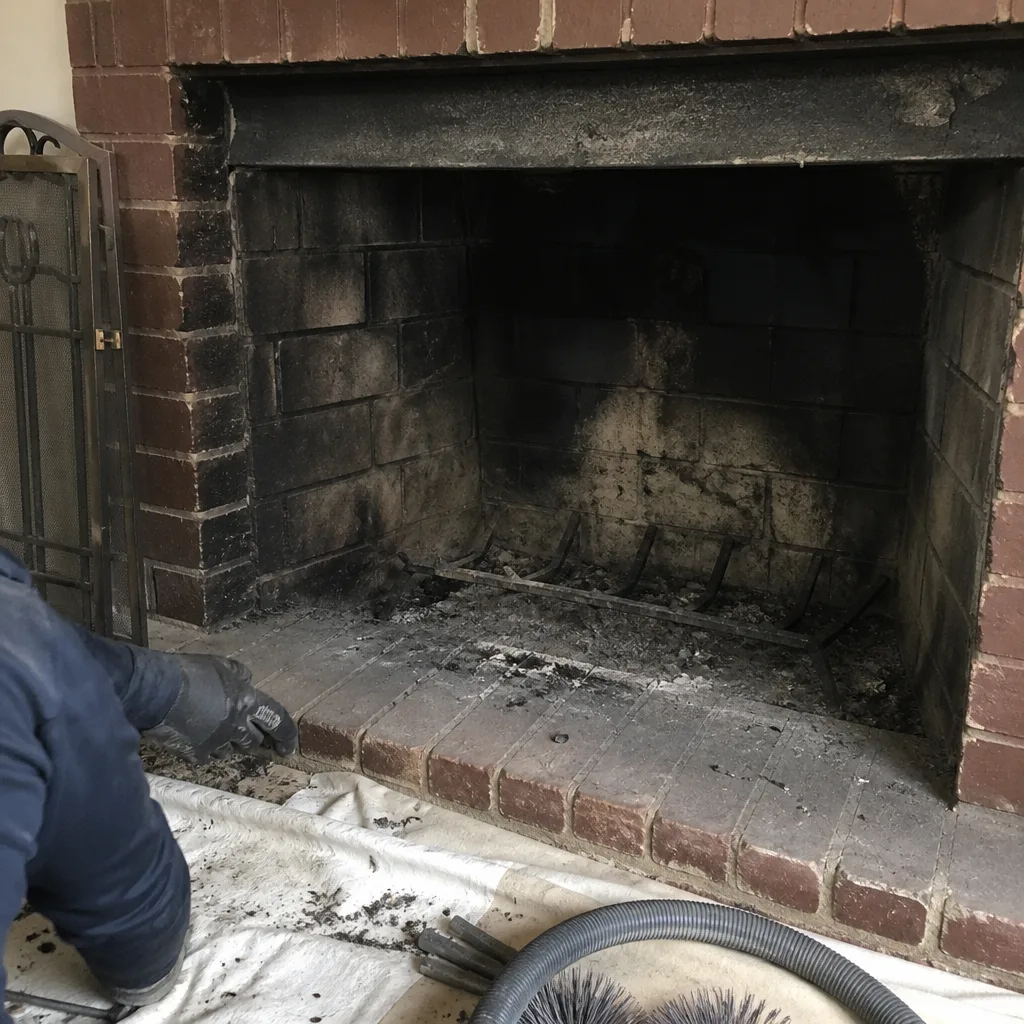
A chimney cleaning should leave the room as clean as it found it. We lay drop cloths over the hearth and the furniture nearest the fireplace, set up the vacuum and rodding system, and work from the firebox up to the crown. The flue gets brushed from the top down; the debris falls into a sealed collection point rather than into the room. From there we’re onto the cap and crown and the damper check, and finally photos of what we saw during the visit.
Here’s how a typical Granada Hills cleaning plays out:
- Pre-clean assessment. We look at the firebox, flue opening, and damper before doing anything. If the flue visual suggests a camera inspection is warranted, we explain why first.
- Drop cloths and containment. Hearth, floor, and nearby furniture are covered. The work area is sealed off from the rest of the room.
- Brushing the flue. The brush is sized to the liner. Creosote is removed and collected. The firebox gets swept clean afterward.
- Camera inspection (when applicable). A Level 2 camera run shows the liner from top to bottom. Photos are captured for your report.
- Cap and crown review. A ground-level and roof-level look at the chimney top. Any cracks, loose fasteners, or missing screens are noted and quoted.
- Damper check. Operation, seal, and rust are checked in the firebox.
- Report and estimate. You see what we found, we tell you what’s fine, what needs attention, and what can wait. A written estimate covers any recommended work.
The whole visit is usually done in one appointment. Nothing gets ordered or scheduled before the report is delivered. One call covers cleaning, cap and crown, damper, and repair, without a second contractor.
Common Mistakes to Avoid
- Assuming light use means no cleaning. As covered above, low-use Granada Hills chimneys often build creosote differently, not less. Skipping a cleaning because the fireplace went quiet for a season is the most common way a small deposit turns into a harder one.
- Cleaning without checking the cap last. If a cap is loose or missing, debris from the next Santa Ana wind will undo the work. Always finish a cleaning with a cap and crown review.
- Using a shop vac in the firebox. Ash is finer than most household vacuum filters can handle, and a shop vac will send it right back into the room. There’s also the matter of disturbing whatever is in the flue. A trained technician uses equipment designed for the job.
- Trusting a “we’ll take a look from the roof” inspection. The inside of a flue is where most problems live. Camera-based Level 2 inspection is how those get caught before they become structural.
- Burning green or damp wood to stretch a cord. Damp wood leaves more residue per burn and cools the flue. In a light-use chimney, that residue accumulates faster than most homeowners expect.
- Putting off liner work based on a guess. Some older liners are sound and some are not, and the only honest way to know is a camera run. Have the flue seen before you agree to a liner replacement, and have it seen before you assume you don’t need one.
- Combining a cleaning with a renovation trade. Chimney work deserves a dedicated chimney specialist. A general contractor who sweeps as a side service may not catch liner or crown issues that a chimney specialist sees routinely.
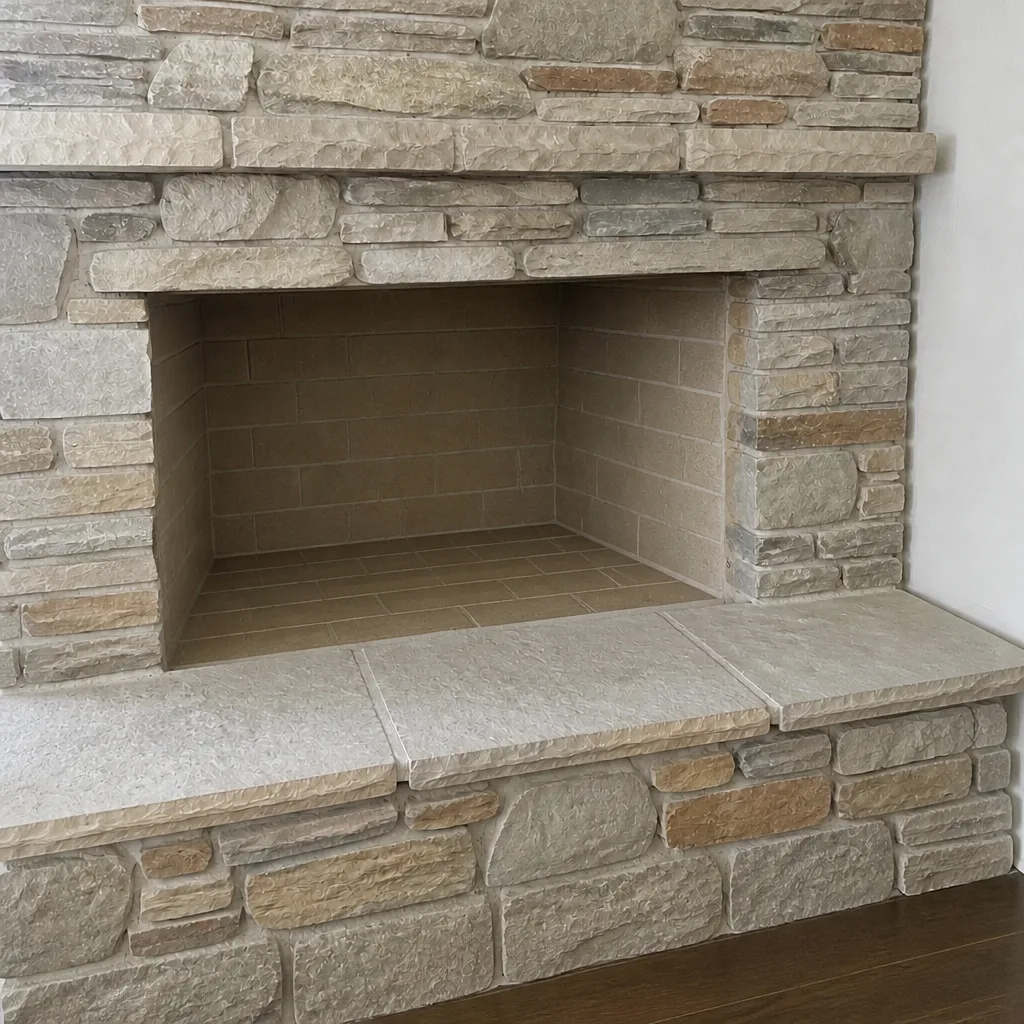
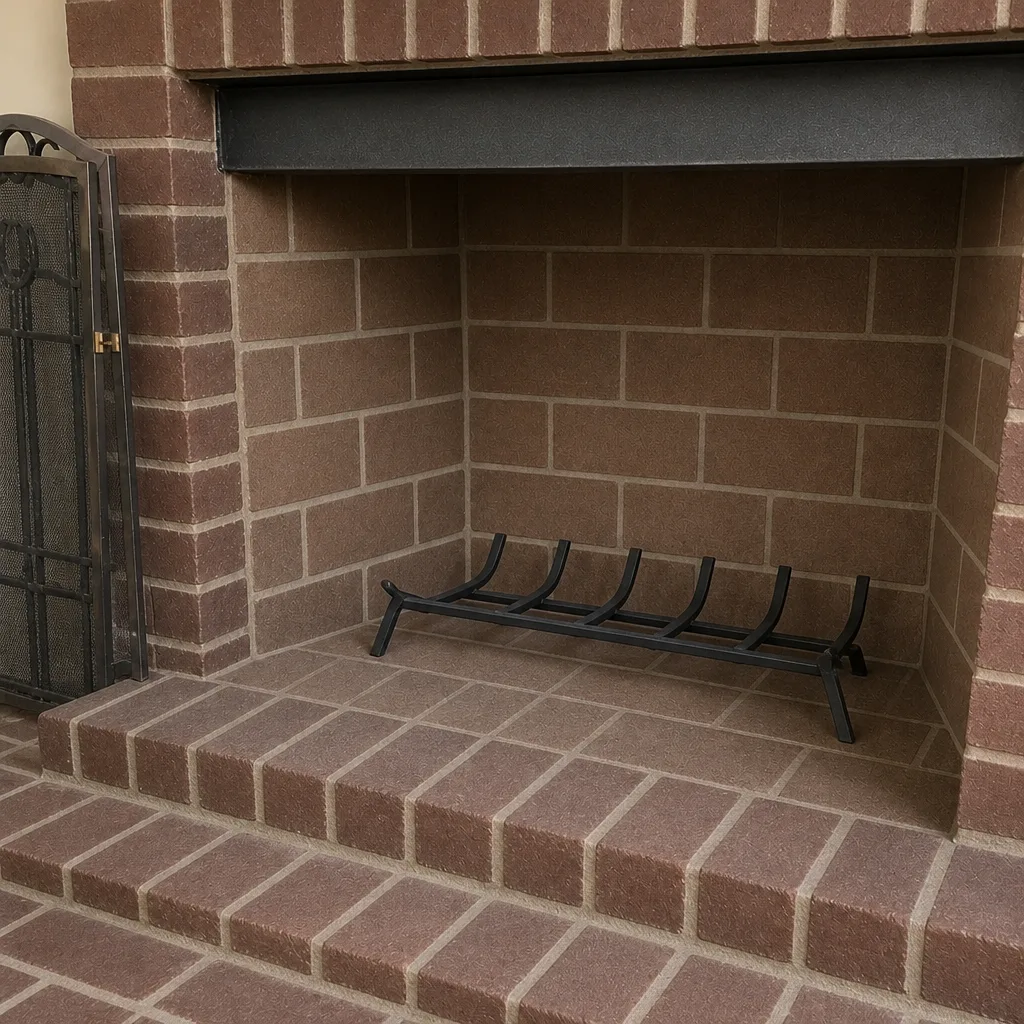
See the difference
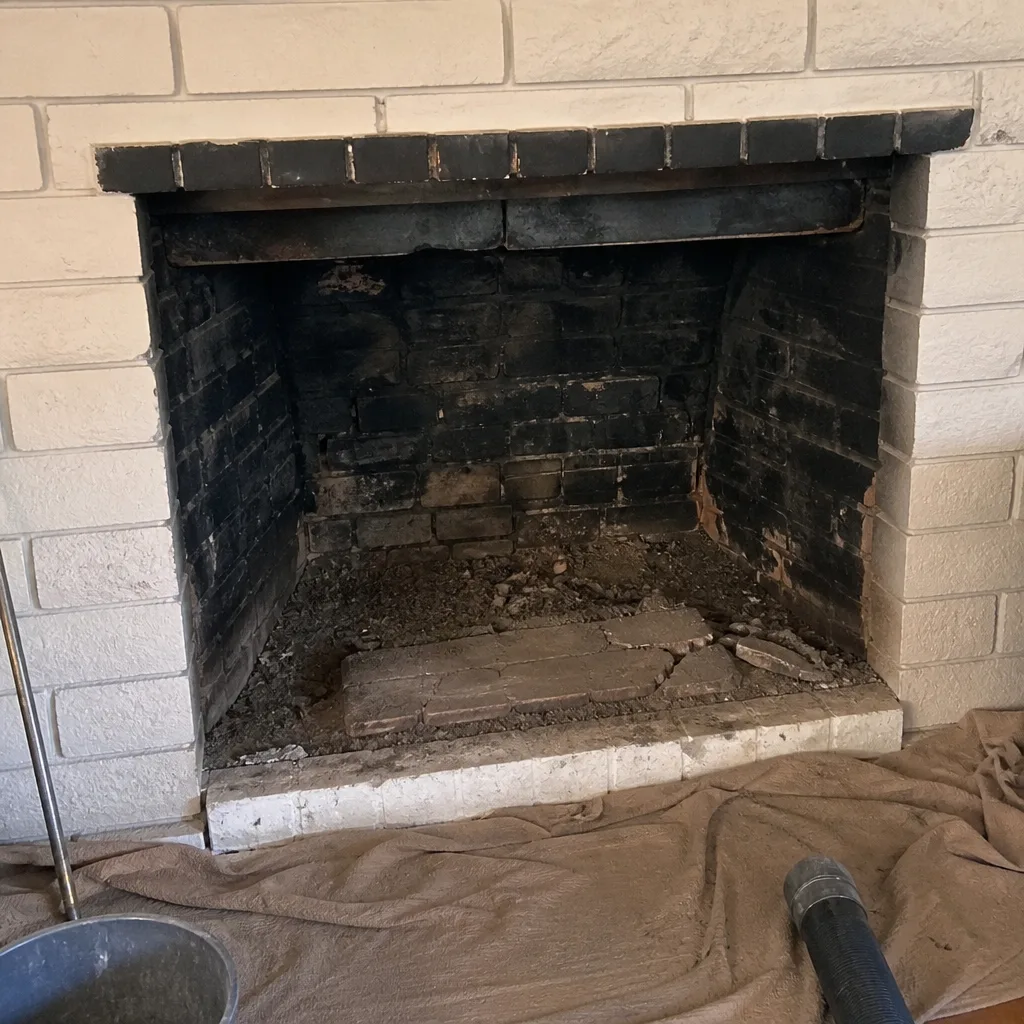 Before
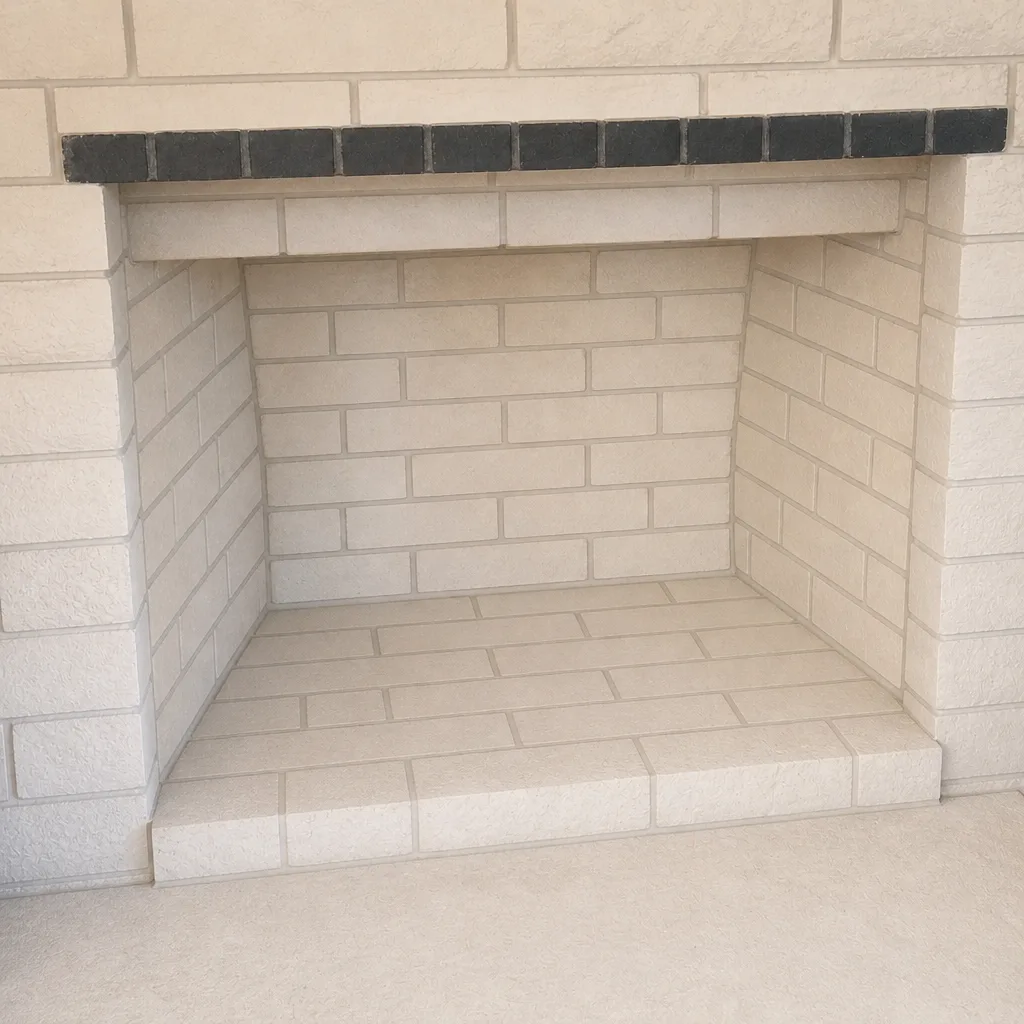 After
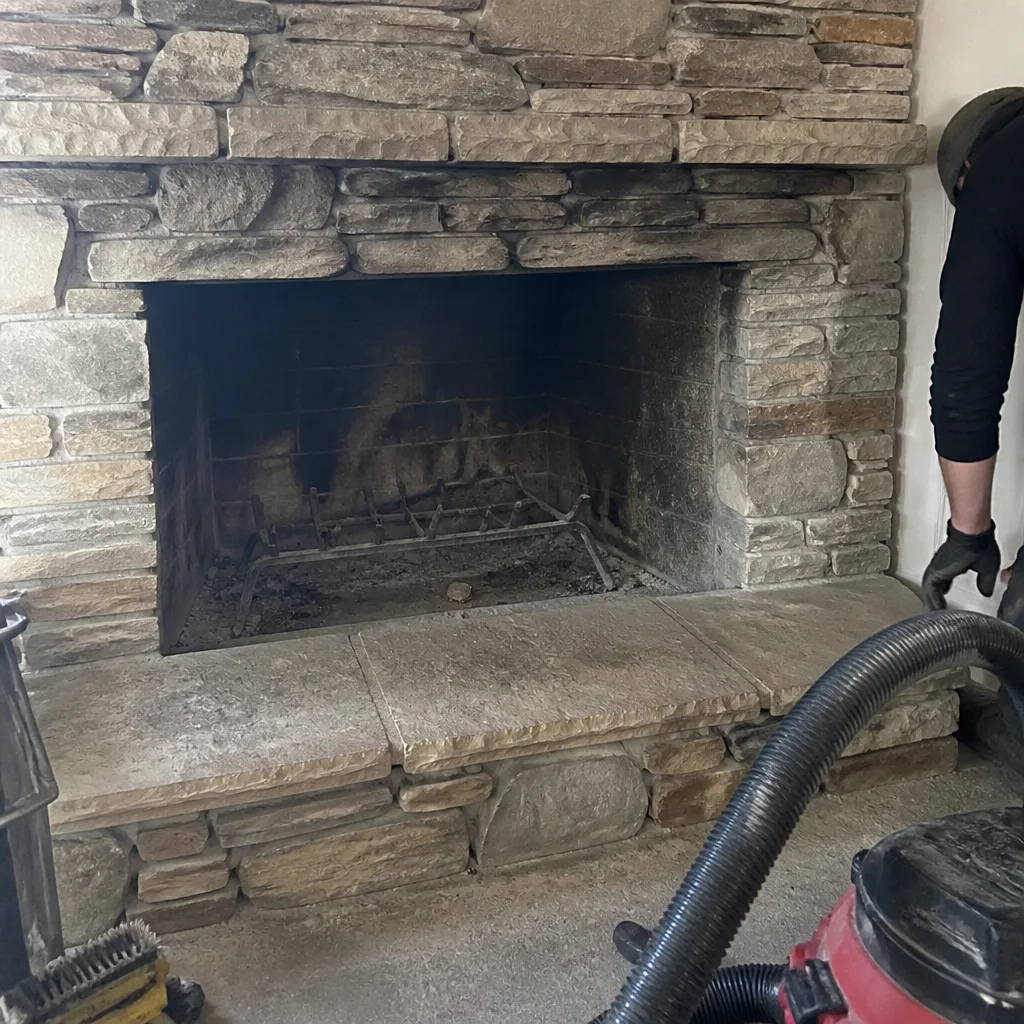 Before
 After
 Before
 After
When to Call a Professional
Some chimney jobs are safe for a homeowner to notice. Almost none are safe for a homeowner to fix. Call a professional when you see smoke rolling back into the room on start-up, when you smell soot or a strong smoky odor in the firebox when there’s no fire, when a fire has happened (even a small one), when the crown is visibly cracked, when the cap is loose or missing, after a Santa Ana wind event that left debris on the roof, or after an earthquake if the chimney moves the way it shouldn’t. If you’re buying or selling a Granada Hills home, a standalone inspection is worth doing before closing. And if it’s simply been a few seasons since the last cleaning, that alone is a reason to book one. Chimney Sweep Granada Hills offers free estimates in Granada Hills. Call (855) 774-3956. We answer 24/7. Fast dispatch from 7am to 7pm, Sunday through Friday.
Frequently Asked Questions
Chimney cleaning in Granada Hills is priced per job based on the flue length, creosote condition, liner type, and whether a camera inspection or cap and crown work is being added. The written estimate sets the final price, and it’s provided before any work begins. Call (855) 774-3956 for an exact quote – estimates are free.
Once a year is the general rule, and it applies to Granada Hills even when the fireplace is used only a few times a season. The reason is the residue from intermittent burns and the debris that lands in the flue between fires. If the fireplace has been unused for more than a year, book before the next fire, not after. Call (855) 774-3956 to schedule a sweep.
Not always, and that’s the point of a camera inspection. A liner is only recommended when the camera shows cracking, gaps, or deterioration that brushing can’t fix. HeatShield resurfacing can extend the life of some liners that would otherwise need replacement, and DuraFlex is used when replacement is the right call. Ask to see the camera footage before you decide. Call (855) 774-3956 to have your flue inspected.
Skipped cleaning means creosote keeps building and debris keeps settling, and neither reverses on its own. In a Granada Hills chimney, the reliable outcome is a flue that drafts poorly, smells smoky between fires, and eventually needs a camera inspection before it’s safe to use again. A cleaning and an inspection catch the issue early. Call (855) 774-3956 to book a check.
Yes. Light-use fireplaces in Granada Hills still see the same intermittent burns, Santa Ana ash, and idle-season debris as any other chimney, and the deposits those leave need the same cleaning. The schedule may look different from a heavy-use household, but the visit itself stays on the calendar. Call (855) 774-3956 to schedule a cleaning.
Yes, chimney inspection is a standalone service. It’s routinely used for real estate transactions, post-storm or post-earthquake assessment, and peace-of-mind checks where a cleaning isn’t needed. Call (855) 774-3956 for a standalone chimney inspection.
The Bottom Line
Granada Hills chimneys are shaped by three forces that most cleaning advice misses: light and scattered fire use that builds Stage 1 and Stage 2 creosote its own way, Santa Ana wind events that push ash and debris into any flue that isn’t capped right, and housing stock that mixes real masonry with prefab metal in the same neighborhood. Clean in this microclimate means cleaning what’s actually in the flue, verifying with a camera when the flue hasn’t been seen, and treating the cap and crown as part of the same visit rather than a separate job. From the firebox to the crown, one call covers it. If you’re ready to get ahead of the cold season, call (855) 774-3956 for a free estimate. We answer 24/7. Fast dispatch from 7am to 7pm, Sunday through Friday, closed Saturday.
Written by the team at Chimney Sweep Granada Hills.