
Last updated November 22, 2026
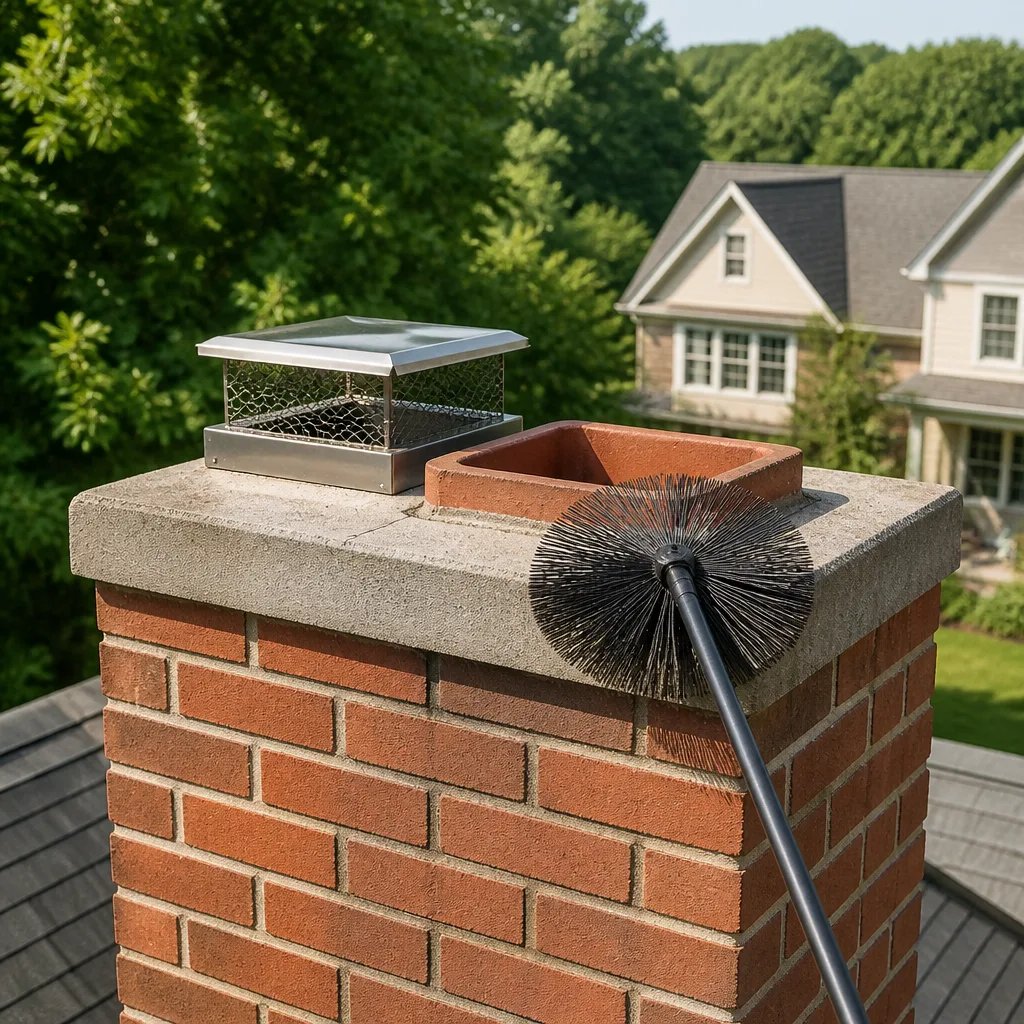 Sweep & inspection
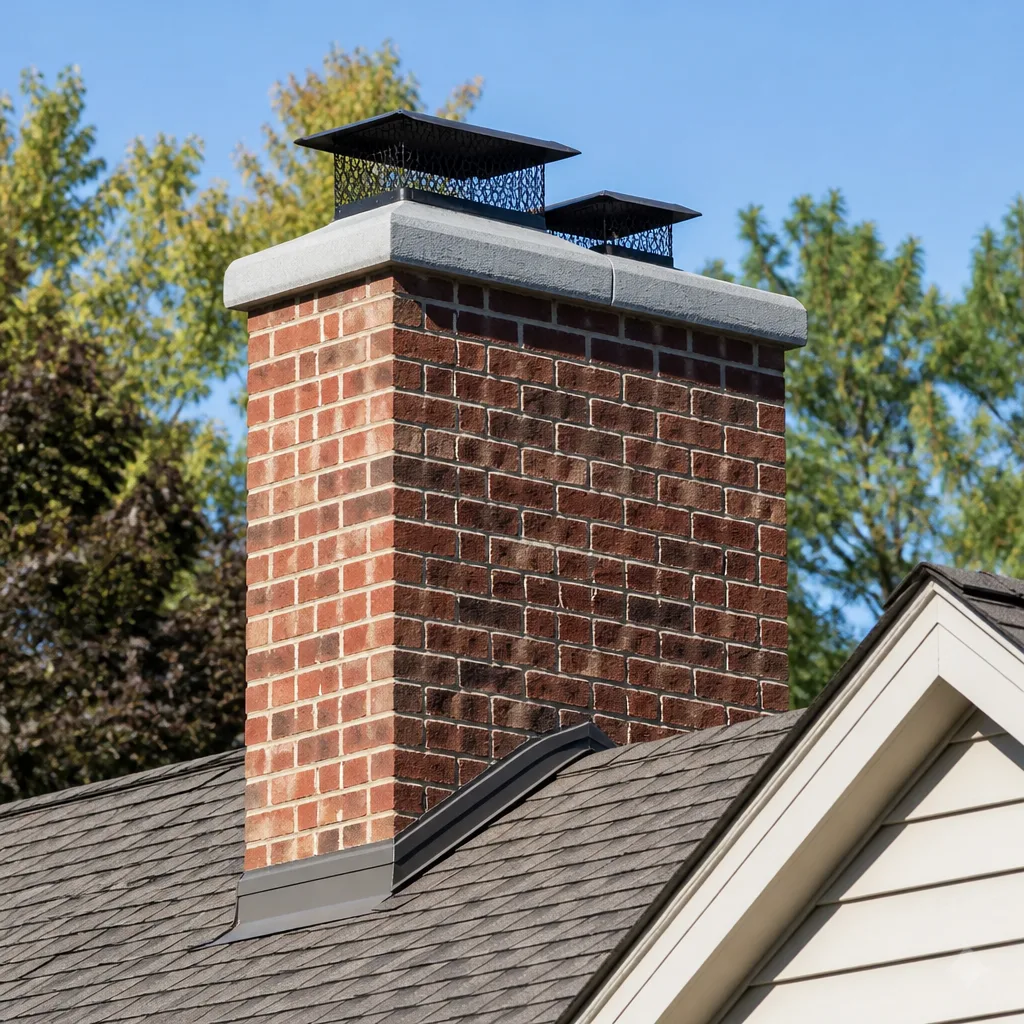 Caps & crowns
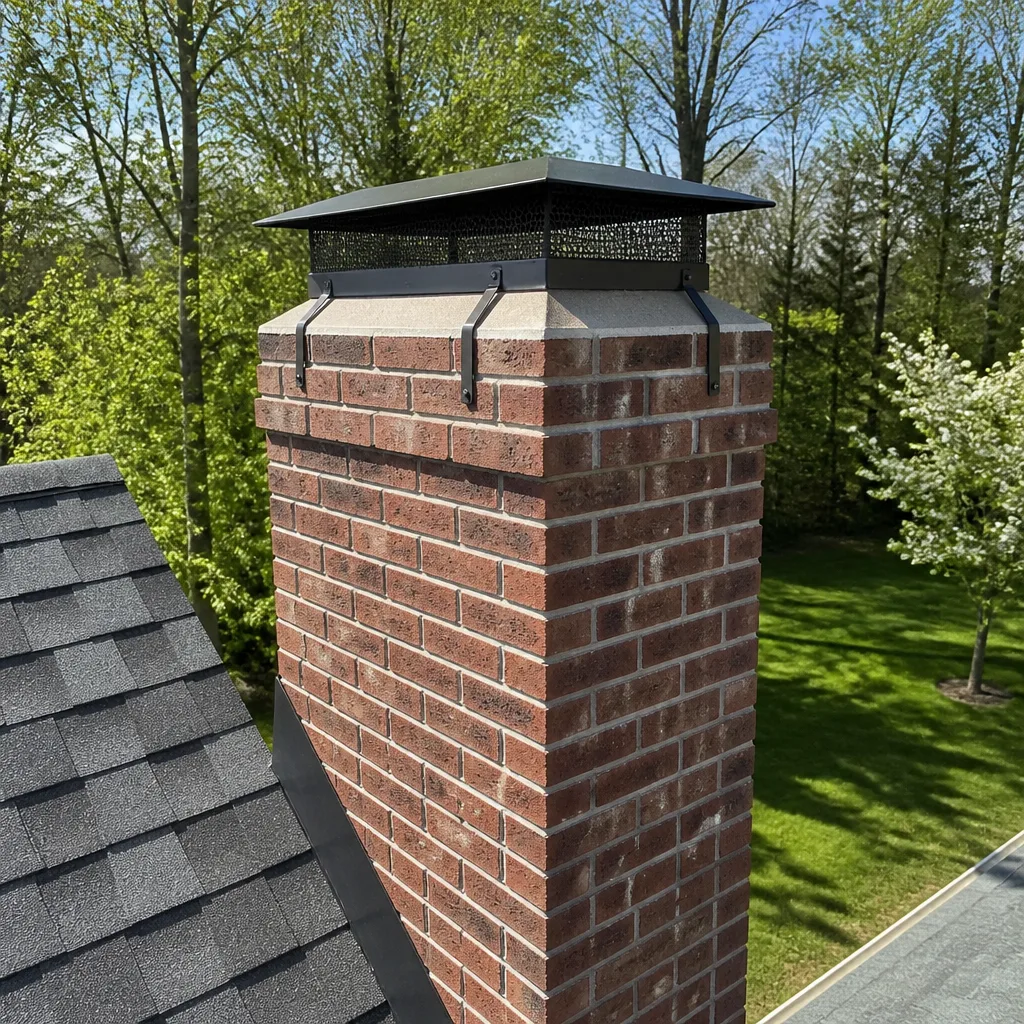 Flue relining
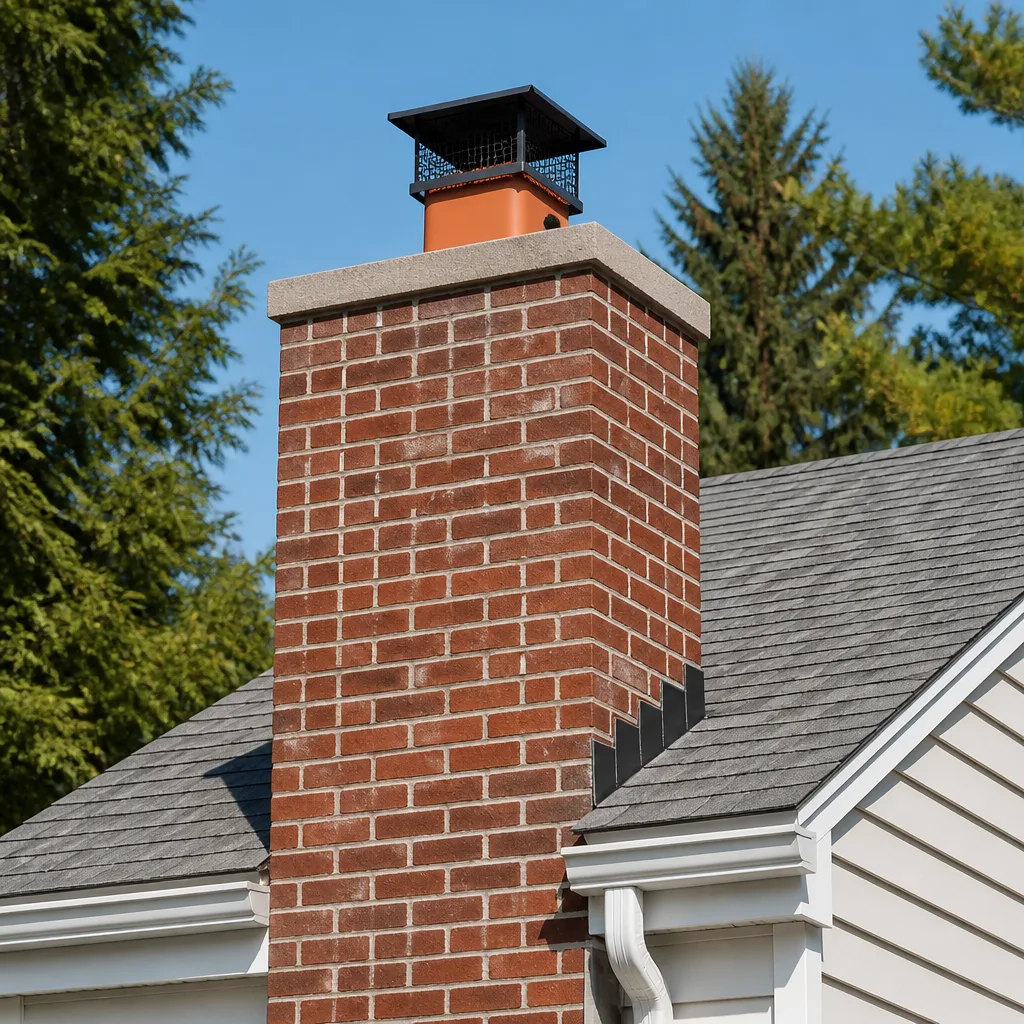 Masonry repair
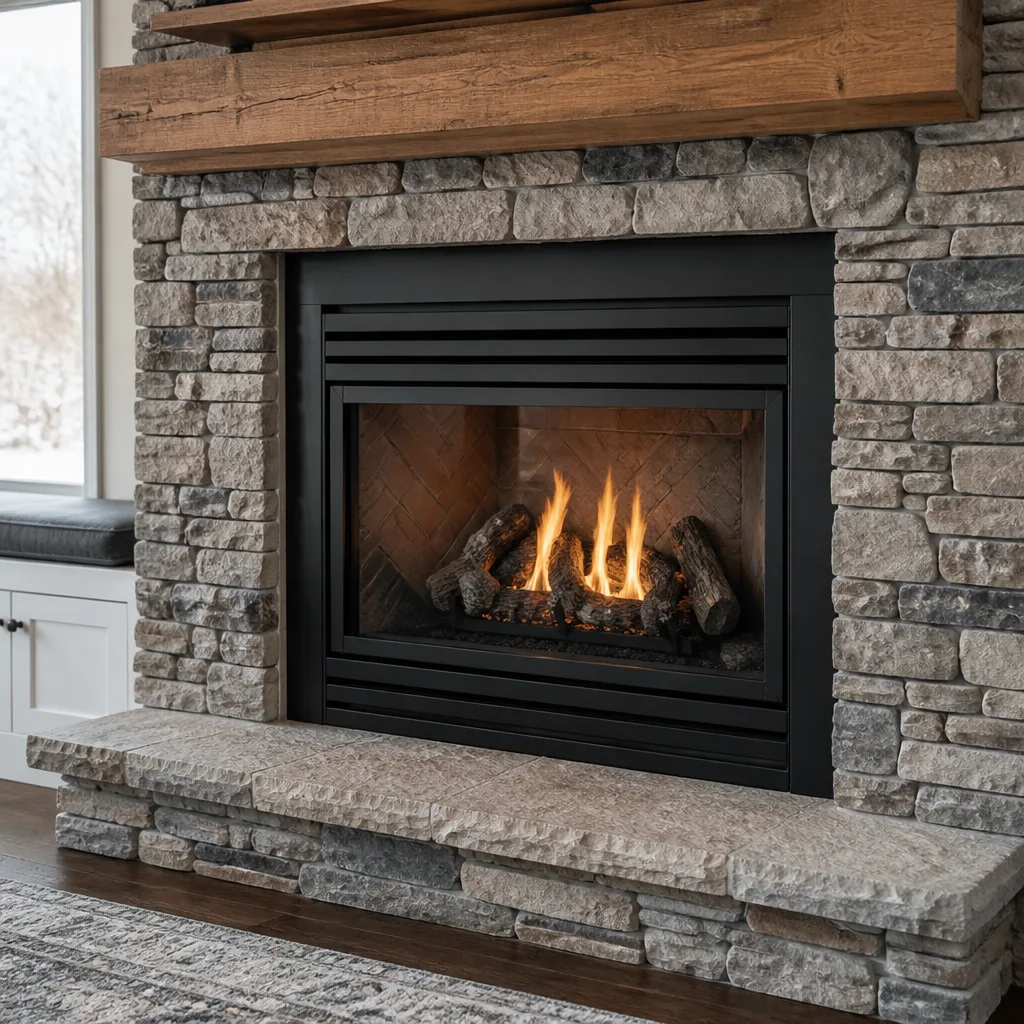 Gas fireplace service
Level 1 sweep and inspection to the NFPA 211 annual standard - flue, crown, cap, and flashing checked and photographed
Chimney sweep logs do not sweep chimneys. They loosen some creosote - which then falls where a brush and vacuum still have to collect it.
Choosing the Right Chimney Cleaning Brand: A Buyer’s Guide for Granada Hills
Most homeowners shopping for chimney work ask the wrong question first. They ask “who’s cheapest” or “who can come soonest” before they ask what goes into the flue. Here’s the part that rarely gets mentioned: when a sweep recommends a creosote remover, a crown coating, or a stainless liner, the brand they name tells you more about their expertise than any logo on a service van. The materials and equipment standards a contractor chooses decide how long the results hold and whether a warranty stands behind the work. This guide walks you through what to ask, what the ratings mean, and how to judge a chimney professional in Granada Hills on substance, not slogans.
Quick Answer
The “right brand” in chimney cleaning isn’t a national franchise name. It’s the professional-grade materials and equipment standard a contractor uses: a UL 1777-listed stainless liner such as DuraFlex, a resurfacing system such as HeatShield for a deteriorated flue, and a curing cap material such as Gelco for the crown. Ask any Granada Hills chimney professional which products they specify and why, and you’ll learn more in five minutes than from an hour of browsing logo pages.
Styles & brands we work with
- Sweep & inspection
- Caps & crowns
- Flue relining
- Masonry repair
- Gas fireplace service
Table of Contents
- Why the Brand Question Matters More Than You Think
- The Standards Behind the Brand Names: UL 1777 and ASTM
- Contractor-Grade Tools vs. Consumer Products
- Key Product Lines and What Each One Does
- What “We Use the Best Materials” Actually Means
- The Questions That Get Real Answers
- Why a Specialist Who Stocks Their Own Materials Is Different
- What Granada Hills Homeowners Should Know About Their Chimneys
Why the Brand Question Matters More Than You Think
A chimney is a system, not a single part. The firebox, the damper, the flue liner, the crown, and the cap all work together, and each one has a failure mode that leads to the next. A liner that wasn’t rated for the appliance connected to it can crack under heat. A crown that wasn’t coated with a proper flexible material cracks at the first thermal cycle and lets water into the masonry. A cap that isn’t sized and anchored correctly blows loose in a wind event and leaves the flue open to rain and birds.
Every one of those failures traces back to a material decision. And every material decision traces back to a brand, a rating, and a standard. When you hire a chimney professional in Granada Hills, you’re really hiring their judgment about which product belongs in your chimney. That judgment is the product.
This is why we treat material selection as a core part of the job, not a procurement afterthought. From the firebox to the crown, what gets installed determines whether the fix lasts a season or a generation. Built to last, not patched to pass, is the standard we hold ourselves to when we specify a liner or a crown coat.
There’s a second reason the brand question matters: accountability. A contractor who names the product they install is a contractor who can be asked about it later. If a liner fails, there’s a paper trail. If a crown coat peels, there’s a manufacturer to call. Vague promises have no such trail.
The Standards Behind the Brand Names: UL 1777 and ASTM
Before you evaluate any brand, learn two acronyms. They’re the backbone of every credible material recommendation you’ll hear.
UL 1777 is the safety standard for chimney liners. A stainless liner that carries a UL 1777 listing has been tested to withstand the temperatures and conditions inside a chimney. If a contractor proposes a liner and can’t tell you whether it’s UL 1777-listed, that’s a red flag. The listing is the baseline; the brand is what sits on top of it.
ASTM publishes the test methods and material specifications for many of the products used in chimney work, including refractory mortars, sealants, and masonry coatings. When a crown coating or a resurfacing product cites an ASTM standard, it means the manufacturer has submitted the material to a recognized test protocol. Without one, you’re relying on marketing copy.
How to use the standards in a conversation
- Ask: “Is the liner you’re proposing UL 1777-listed?”
- Ask: “Which ASTM standard does the crown coating or sealant meet?”
- Ask for the product name and the manufacturer in writing on the estimate.
- If the answer is vague, ask again. A professional will have the answers without checking a catalog.
These aren’t gotcha questions. They’re the same questions any chimney professional asks themselves before they specify a product, and a specialist will welcome them. If a contractor gets defensive when you ask about listings or standards, that tells you something about how they’ll handle a warranty claim.
Contractor-Grade Tools vs. Consumer Products
Walk into a hardware store and you can buy a chimney brush. You can buy a creosote powder. You can buy a tube of crown sealant. None of that makes a chimney sweep. The tools a professional brings to a Granada Hills home are a different category of equipment, and the difference isn’t cosmetic.
What contractor-grade equipment actually means
- Brushes built for the flue material. A poly brush for a stainless liner, a wire brush for a clay tile flue. The wrong brush scores the liner and shortens its life. Consumer kits usually ship one brush for everything.
- Rods and a rotary head that follow the flue geometry. A professional sweep uses a powered rotary system with the right head for the job, which is why they can clean the full length of a flue without leaving glazed creosote behind. A hand-pushed consumer brush can’t reach the same standard.
- A camera for inspection. A camera inspection, with a photo report you keep, is a contractor-grade tool. It’s also the only way you or anyone else can see what the flue actually looks like.
- A HEPA vacuum system. Professional sweep vacuums are sealed and filtered. Consumer shop vacuums push fine soot back into the room. The difference is measurable in how your living room looks after the work is done.
- Chemical treatments with a rating. Creosote removers and sealants used by professionals carry an ASTM or manufacturer specification. Consumer products may not.
Our technicians have up to 10 years of experience, and that experience is mostly about knowing which tool and which product belongs in which flue. The equipment is the visible part. The judgment is the real skill.
If you’re weighing a DIY sweep against a professional one, the honest answer is that a DIY sweep can knock down loose soot in a straight, accessible flue. It can’t inspect the liner, it can’t tell you the stage of glazed creosote, and it can’t tell you whether the crown is starting to fail. For a sense of the full professional scope, see our page on chimney sweep work.
Key Product Lines and What Each One Does
Now to the brands you’ll see named in professional chimney work. Here’s what each one does and why it comes up in a Granada Hills conversation.
Stainless liners: DuraFlex
A stainless liner is the safety backbone of a modern flue. DuraFlex is a professional-grade flexible stainless liner system with a UL 1777 listing, used to reline a chimney when the original clay tile has cracked or when a new appliance needs a correctly sized flue. Why it matters: a liner is not a commodity. The alloy, the wall thickness, and the joint construction all affect how the liner handles heat cycling. A brand that publishes its listing and carries a manufacturer warranty gives you something to stand behind if a problem shows up later.
Flue resurfacing: HeatShield
HeatShield is a resurfacing system used to restore a deteriorated flue liner from the inside without tearing out masonry. It’s applied by a technician trained in the system, and it’s a capability many sweep-only competitors simply don’t have. Why it matters: for a clay tile flue with cracks that haven’t yet separated, resurfacing can extend the life of the existing liner. That’s a real alternative to a full reline, and it’s a specialized skill rather than a general repair.
Crown and cap materials: Gelco
A chimney crown is the concrete slab on top of the chimney that sheds water away from the masonry. Gelco crown coating is a flexible, professional-grade material used to seal and protect a crown that’s developed hairline cracks or surface spalling. Why it matters: the crown is the number-one entry point for water into a chimney, and a rigid patch job will crack again at the next thermal cycle. A flexible coating moves with the crown and closes the crack path.
Caps are the metal or masonry cover over the flue. Gelco, famco, and similar professional-grade lines are sized and anchored correctly rather than dropped on. The wrong cap size allows water in at the flue edge; the wrong anchor lets it lift in wind. Cap selection is a measurement decision, not a style decision. We go deeper on this in our chimney cap & crown page.
When a product line isn’t the right answer
No product is right for every chimney. A resurfacing system only helps when the liner is deteriorated but structurally sound. A crown coat only helps when the crown slab is intact beneath the cracks. A liner is only needed when the existing liner fails inspection. We inspect before we recommend, and when the work can wait, we say so.
The other piece of the system is the fireplace itself: the firebox, the damper, the hearth. Fireplace repair work uses its own materials, including refractory mortar and firebox coatings. You can read more about that scope on our fireplace repair page.
What “We Use the Best Materials” Actually Means
It means nothing. Every contractor says it. The phrase is used so often in the trades that it’s effectively noise. The question to ask instead is: which materials, made by whom, and rated to what standard?
The follow-up questions that turn a slogan into an answer
- “Which product will you install, and who makes it?” A professional answers with a specific brand and product line. A vague contractor answers with “top quality” or “commercial grade.”
- “What listing or rating does it carry?” For a liner, that’s UL 1777. For a coating, that’s the ASTM standard the product meets.
- “What does the manufacturer’s warranty cover, and how long does it run?” This is the real test. A brand that stands behind its product with a stated warranty is a brand that expects the product to last.
- “What happens if it fails?” A professional will tell you the warranty process and who to call. A vague contractor will change the subject.
- “Why this product rather than the cheaper one?” The answer should be specific: the alloy, the wall thickness, the application method. If it’s just “we like it better,” that’s not an answer.
We hear the “best materials” line from competitors all the time, and we understand why homeowners are skeptical. The way through the skepticism is specifics. A named brand, a listing, and a warranty is a claim you can check. A slogan is not.
The Questions That Get Real Answers
Bring this list to your next conversation with a chimney professional in Granada Hills. The answers will tell you most of what you need to know.
Ten questions for any chimney contractor
- Are you a dedicated chimney specialist, or is chimney work one of many services you offer?
- Which product line do you use for stainless liners, and is it UL 1777-listed?
- Do you offer resurfacing systems like HeatShield, or only full liner replacement?
- What crown coating material do you use, and what standard does it meet?
- Will you provide a camera inspection report with photos before recommending repair work?
- What does your written estimate include, and what’s excluded?
- Is the price set by a flat estimate before work begins?
- Is the technician licensed and insured as the state requires?
- What manufacturer warranty comes with the product you’re installing?
- Are you willing to tell me when the work can safely wait?
Question ten is the one that separates a specialist from a salesperson. A contractor with a long-term reputation in Granada Hills will tell you when a repair isn’t urgent. A contractor who only gets paid when work gets booked will find something to fix. If you want to see what a professional inspection covers, our page on Chimney Sweep Granada Hills describes the scope and what you get in the report.
Why a Specialist Who Stocks Their Own Materials Is Different
There’s a structural difference between a chimney contractor who selects and installs their own materials and one who sources ad hoc through a supplier for each job. The difference shows up in accountability.
When a contractor specifies the product themselves, they’ve made a decision they have to stand behind. If the crown coat peels next year, they know exactly which product they used and why, and they know who to call at the manufacturer. If a liner fails, they have the paper trail. The job is a decision, not a transaction.
When a contractor sources ad hoc, the product is whatever the supplier had in stock. The homeowner has no continuity, no relationship with the product, and no ability to check the choice against a standard. The tradeoff may be a lower material cost, but the accountability is lower too.
How we handle material selection
- We work with professional-grade product lines including DuraFlex, HeatShield, Gelco, Olympia Chimney, Famco, and Copperfield.
- We specify products to the standard the flue actually requires, not to what happens to be on sale.
- We give you the product name, the standard, and the warranty in writing on the estimate.
- We tell you when a repair can wait, and when it shouldn’t.
The full scope of what we handle covers five service categories: cleaning, cap and crown, fireplace repair, chimney repair, and inspection. One call covers the chimney from the firebox to the crown, which means a homeowner in Granada Hills doesn’t need to manage two contractors who disagree about what caused the problem. If you want to see the full service picture, the Chimney Sweep Granada Hills page walks through each category.
What Granada Hills Homeowners Should Know About Their Chimneys
Granada Hills sits in the San Fernando Valley, and the local climate shapes what happens to a chimney here. Winters are mild, which means the fireplace gets used more irregularly than it would in a colder climate. The shoulder seasons matter more than deep winter. A fire burned a few times a month for six months a year produces a different creosote profile than a fire burned every day. It’s slower to accumulate and easier to let slip past its cleaning schedule.
The summer heat matters too, in a different way. Months of dry, hot weather dry out a crown that’s already got hairline cracks, and the first winter rains push water into the masonry through them. A crown that fails here doesn’t announce itself with a leak; it shows up as a slow stainless-steel corrosion problem, a spalled brick face, or a rusted damper. This is why we treat chimney cap and crown work as preventive care, not emergency repair.
The housing stock matters as much as the weather. Granada Hills has a mix of mid-century homes with original clay tile flues and newer homes with stainless liners, and the two need different treatment. An older flue that’s never been relined may still be structurally sound but need resurfacing, and a resurfacing job done correctly can buy years before a full reline is necessary. A newer liner still needs a camera inspection after a chimney fire or a seismic event. The inspection tells you which category you’re in. Without one, you’re guessing.
Seasonal timing is worth planning around too. The busiest stretch for chimney work is the run-up to burning season, when every homeowner remembers the fireplace at once. Booking a sweep and inspection before the first cool evening means the written estimate is in hand before you’re considering a fire. Call (855) 774-3956. We answer 24/7. Fast dispatch from 7am to 7pm, Sunday through Friday.
Common Mistakes to Avoid
- Choosing on price alone. The cheapest estimate often reflects a lower-grade material: an unlisted liner, a rigid patch on a flexible crown. The difference shows up two winters later, when the patch cracks. Ask what product is being installed before you compare numbers.
- Accepting “best materials” as an answer. If a contractor can’t name the brand and the standard, they aren’t giving you a material recommendation. They’re giving you a slogan. The right follow-up questions are in the section above.
- Skipping the inspection. A sweep without an inspection tells you what’s in the flue today, not what condition it’s in. In Granada Hills, where a mild winter hides a slow creosote buildup, a camera inspection is the only way to know whether the liner is sound.
- Treating crown cracks as cosmetic. A crack in the crown is a water path into the masonry. Every winter it rains through that path, the chimney takes on moisture it can’t shed. A flexible crown coat early is a smaller job than masonry repair later.
- Hiring a generalist for chimney work. A handyman who also does gutters can clean a flue, but may not know how to read a liner camera report or when a resurfacing system is a better choice than a reline. Chimney work is its own trade.
- Assuming a DIY sweep is equivalent. A consumer brush kit can knock loose soot out of a straight flue. It can’t reach glazed creosote, can’t inspect the liner, and can’t tell you the crown is failing. The savings on the brush disappear the first time you need a professional diagnosis anyway.
- Not asking about the warranty. A manufacturer warranty is the best evidence that a product is expected to last. Ask what it covers, how long it runs, and who to call if there’s a problem. If the answer is vague, the product probably is too.
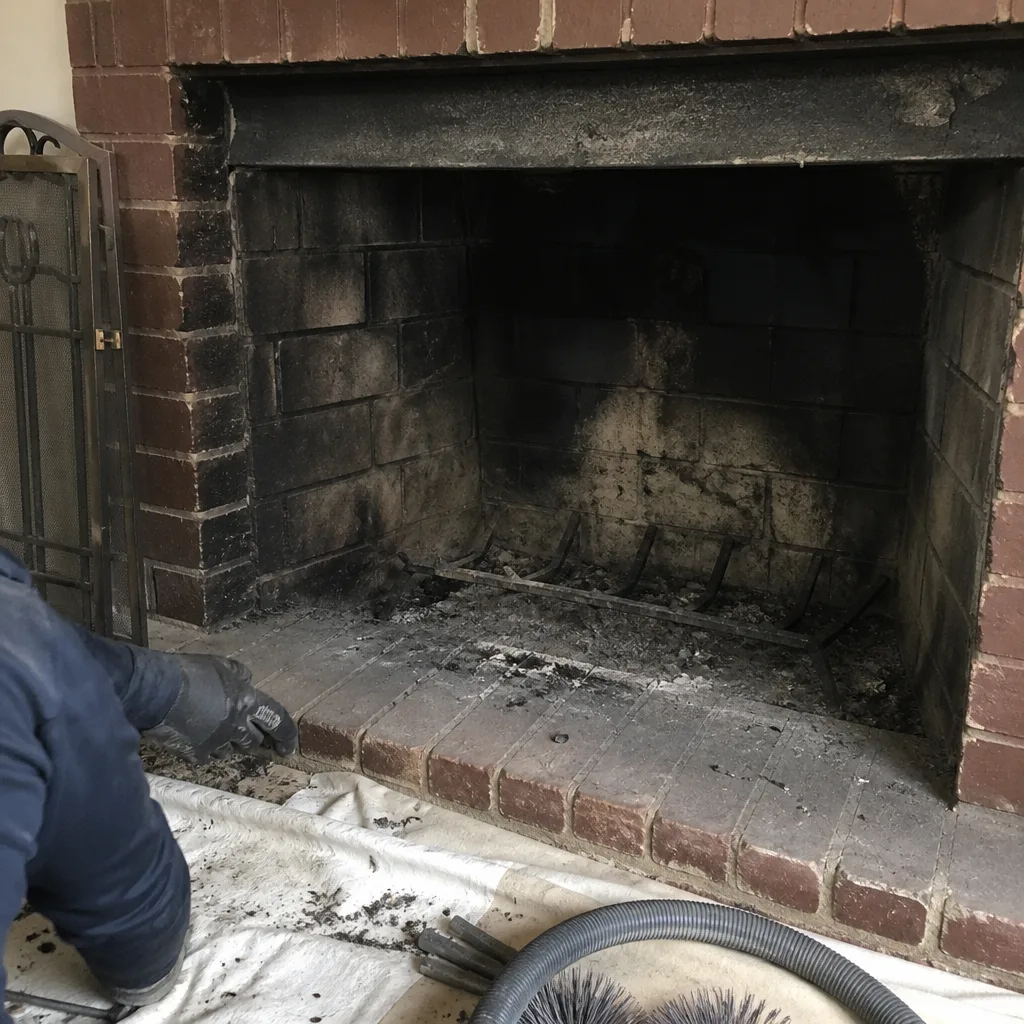
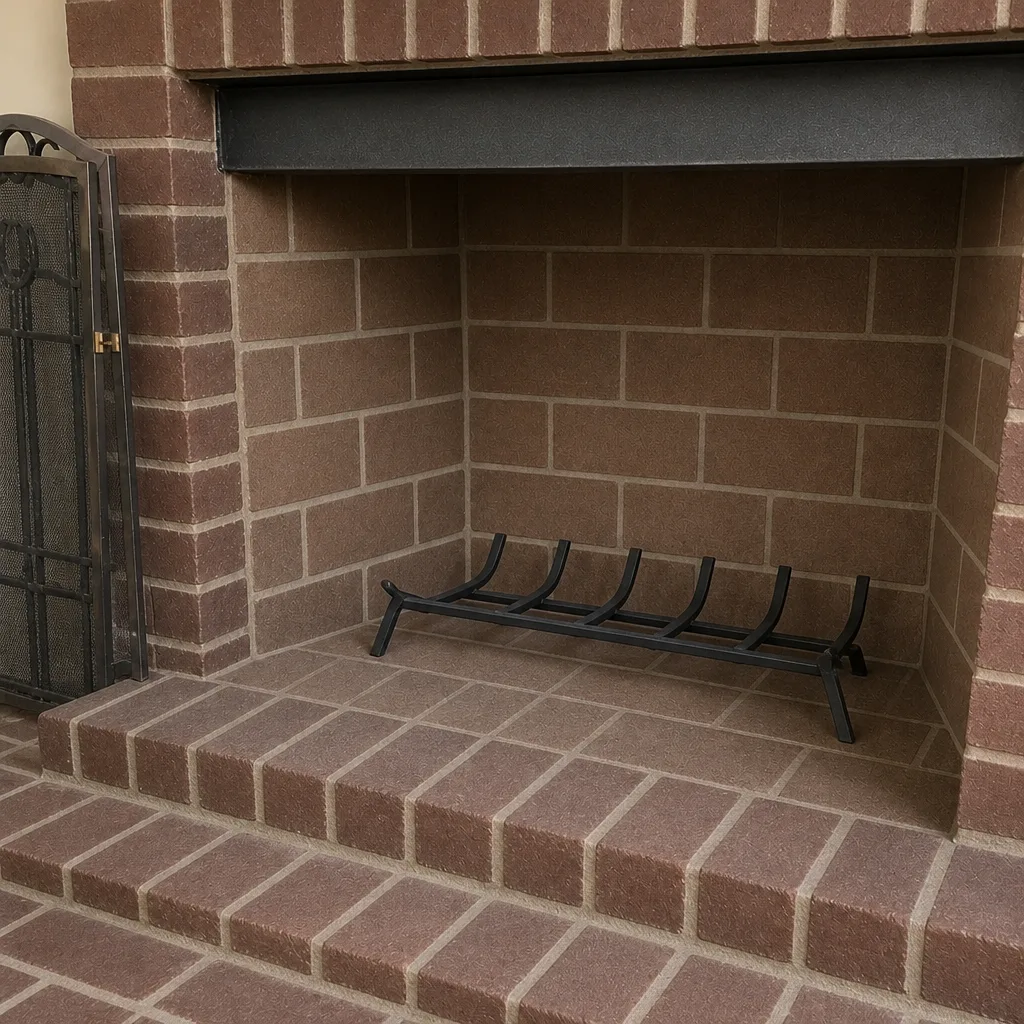
See the difference
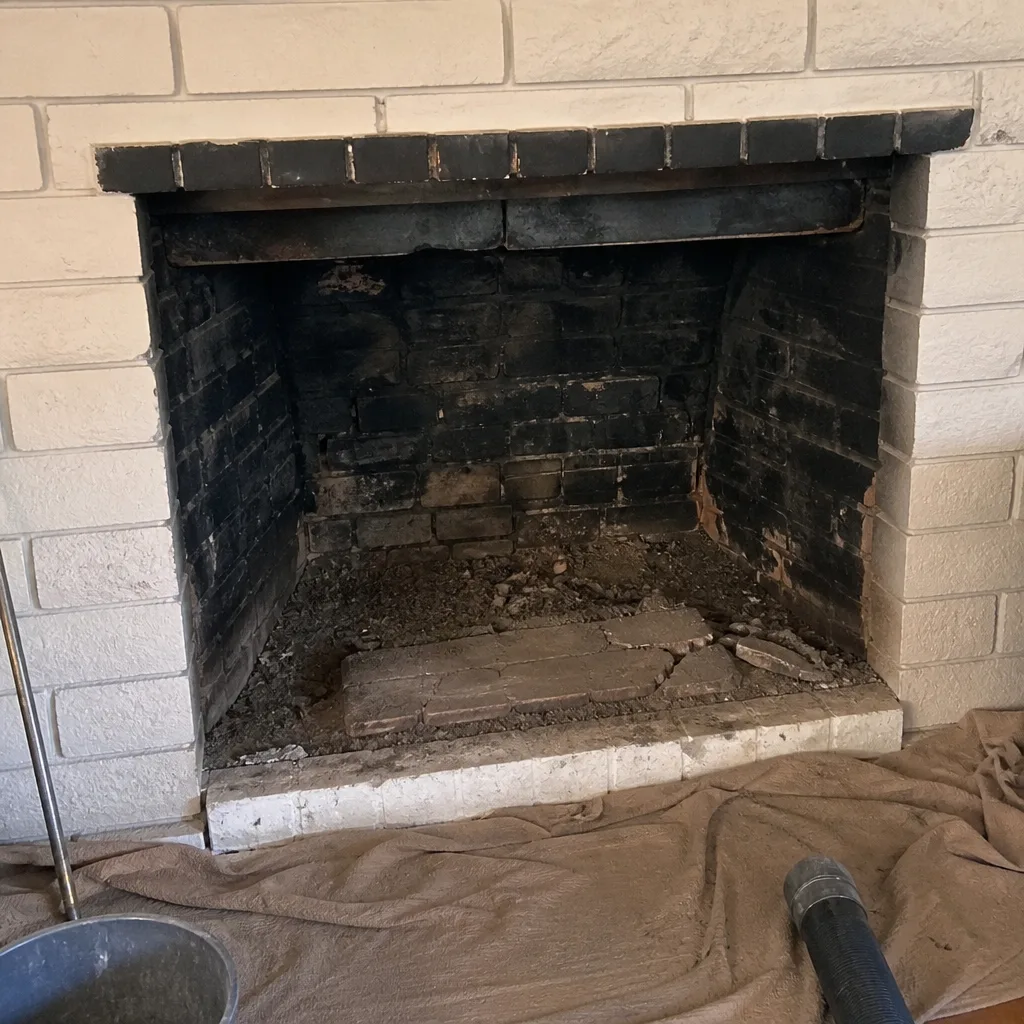 Before
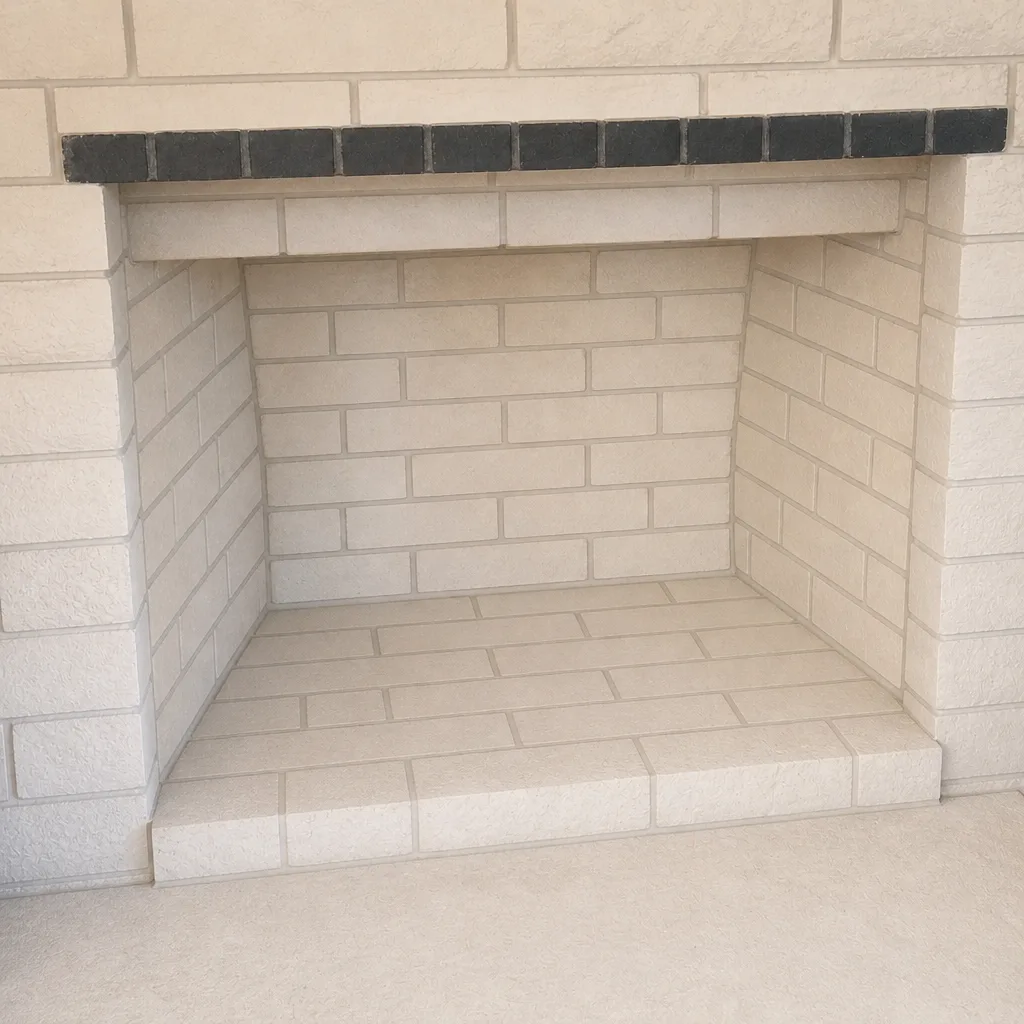 After
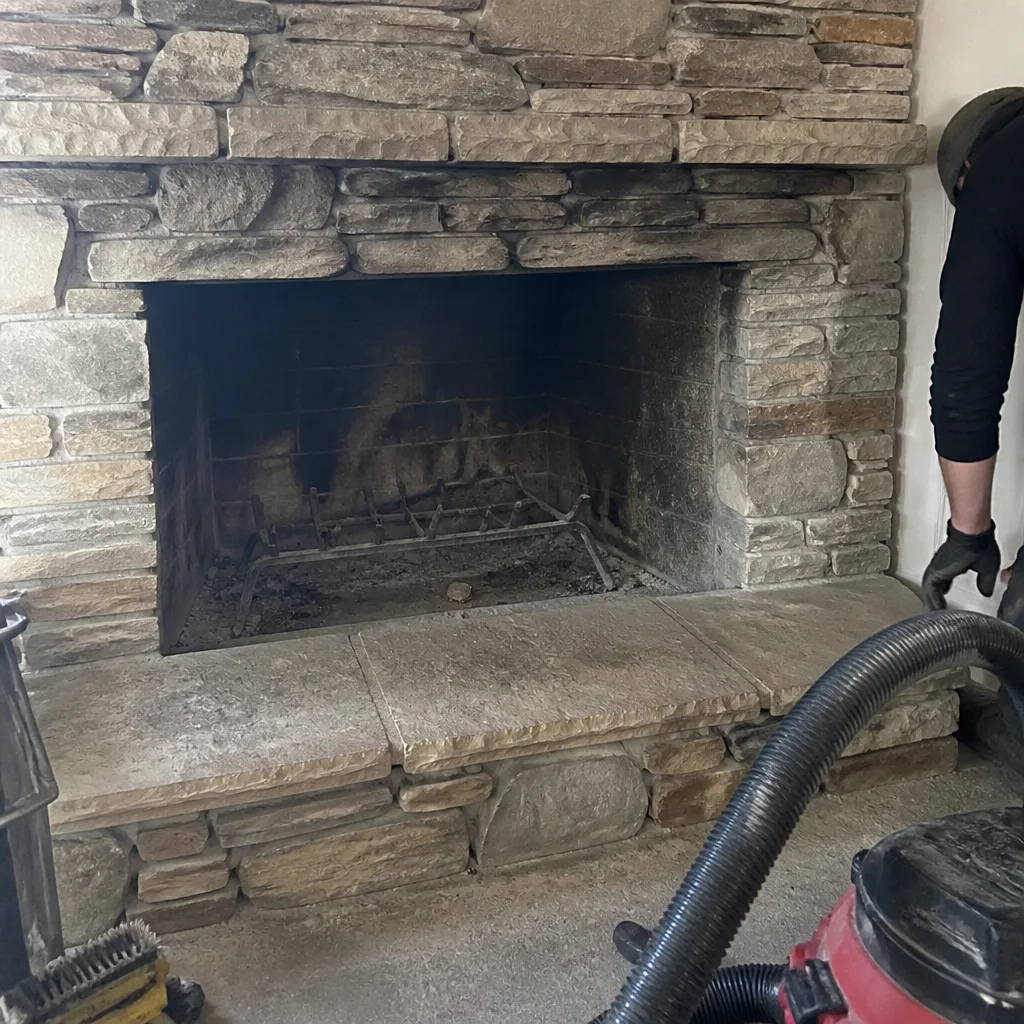 Before
 After
 Before
 After
When to Call a Professional
Some chimney work calls for a professional on safety grounds alone. If you smell creosote inside the house, if smoke backs into the room when you light a fire, if the damper won’t open freely, or if you see cracked or displaced masonry inside the firebox, that’s a call now. The same applies after an earthquake or a storm event, when the crown, cap, and flue joints need to be checked before the next fire. A camera inspection tells you whether the flue is safe to use, and nothing short of one will. We inspect before we recommend, and when the work can wait, we say so. Chimney Sweep Granada Hills offers free estimates in Granada Hills. Call (855) 774-3956 to schedule an inspection and a winding sweep. We answer 24/7. Fast dispatch from 7am to 7pm, Sunday through Friday.
Frequently Asked Questions
The best products are the ones rated to a recognized standard and installed by a trained technician. For liners, look for a UL 1777-listed stainless system such as DuraFlex. For flue resurfacing, HeatShield is a system applied by a trained technician. For crown coatings, Gelco is a flexible material used to seal and protect the crown. The brand matters less than the standard behind it and the technician who specified it. Call (855) 774-3956 for an exact quote on your chimney’s needs.
Contractor-grade products carry a listing or specification from a standards body like UL or ASTM, while consumer products often don’t state one. Look for a stated manufacturer warranty and a product datasheet. If a contractor can’t produce either, the product is probably a retail line. Ask for the product name and standard in writing on the estimate.
Yes. UL 1777 is the safety standard a stainless chimney liner is tested to. A liner without that listing hasn’t been verified to handle the heat and conditions inside a chimney. Any contractor proposing a liner should be able to confirm the listing without checking a catalog. If they can’t, ask why.
It depends on the condition of the existing liner, which only a camera inspection can determine. HeatShield resurfacing can restore a clay tile flue with cracks that haven’t separated, and it can extend the life of the existing liner. A full reline is the right call when the liner has failed structural inspection. We inspect before we recommend, and the camera report shows you what we’re seeing.
A chimney sweep cleans the flue. A chimney specialist handles the full system: sweep, inspection, cap and crown, fireplace repair, and chimney repair. Granada Hills homeowners who want to deal with one contractor from cleaning through repair should look for the specialist. A sweep-only service will hand you off to someone else when the crown needs work, and you’ll be managing the handoff yourself.
You can knock loose soot out of an accessible straight flue with a consumer brush, but a professional sweep does more than that. A professional uses a camera to inspect the liner, identifies the stage of creosote buildup, checks the crown and cap, and provides a written report. The brush can’t do any of those things, and none of the underlying problems show up without the inspection. Call (855) 774-3956 for a professional assessment.
The Bottom Line
The right chimney cleaning brand isn’t a logo on a van. It’s the materials and equipment standard a contractor brings, and the standard is what protects your chimney over time. Ask which product is being installed, which standard it’s rated to, and what warranty comes with it. A UL 1777-listed liner such as DuraFlex, a HeatShield resurfacing system for a deteriorating flue, and a Gelco crown coat on a cracking crown are all named materials with a track record. A vague “best materials” claim isn’t. The homeowner who asks for names and standards gets a chimney that lasts. The one who doesn’t gets a patch that fails in two winters. The choice is a conversation, and we welcome it.
Contact Us
Chimney Sweep Granada Hills handles the full chimney lifecycle, from the firebox to the crown, so you don’t need to coordinate two contractors. We’ve seen the failures that happen when a liner isn’t rated and a crown isn’t coated, and we’d rather help you avoid them. Call (855) 774-3956 for a free estimate and a winding sweep. We answer 24/7. Fast dispatch from 7am to 7pm, Sunday through Friday. Every job is estimated in writing, and nothing is recommended without camera evidence you can see for yourself.
Written by the team at Chimney Sweep Granada Hills.